Last updated November 21, 2026
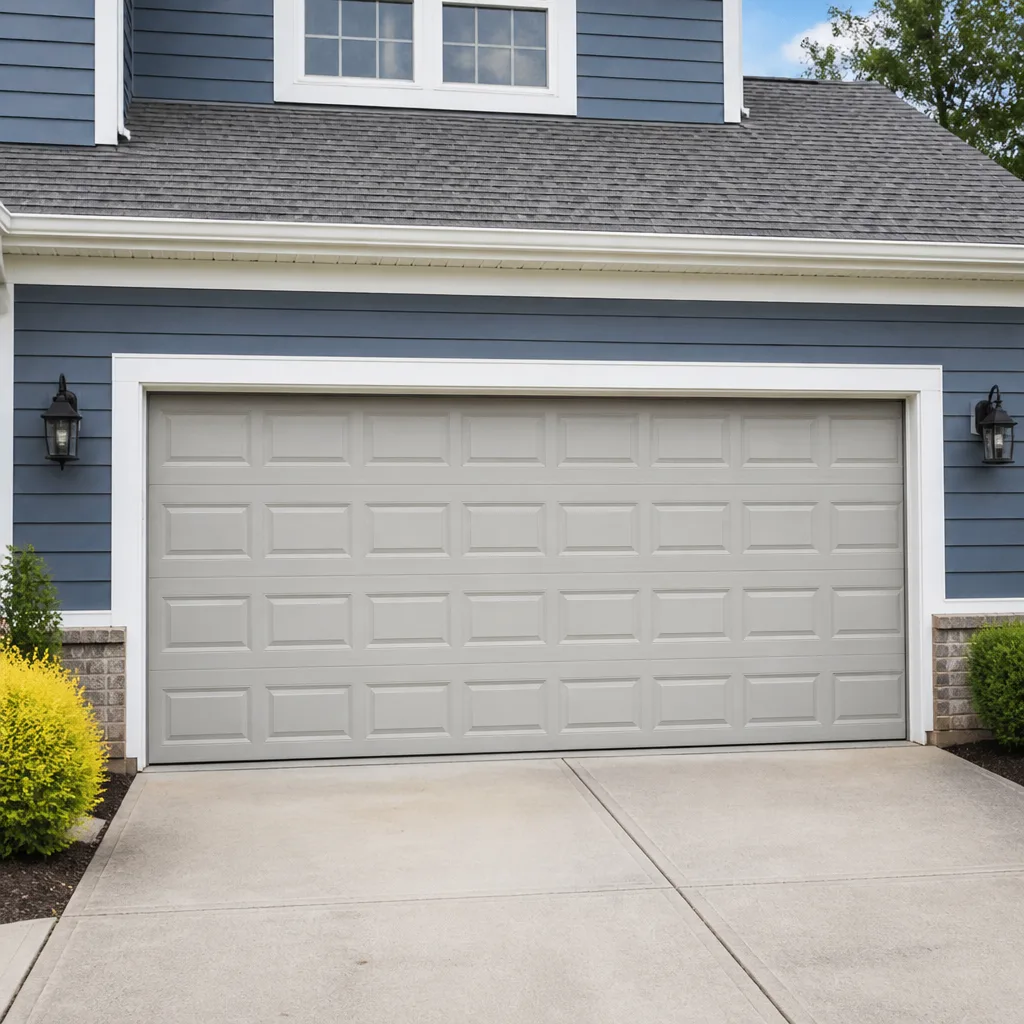 Raised-panel steel
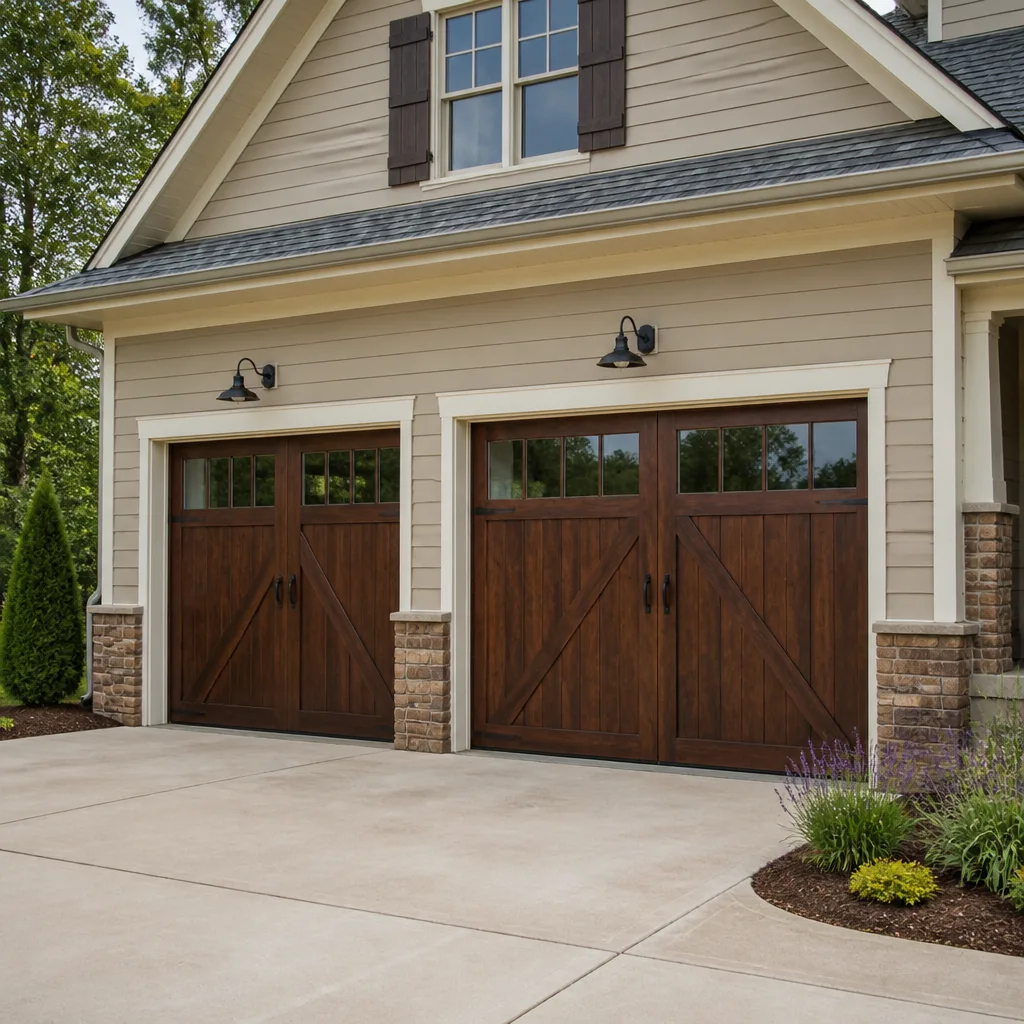 Carriage house
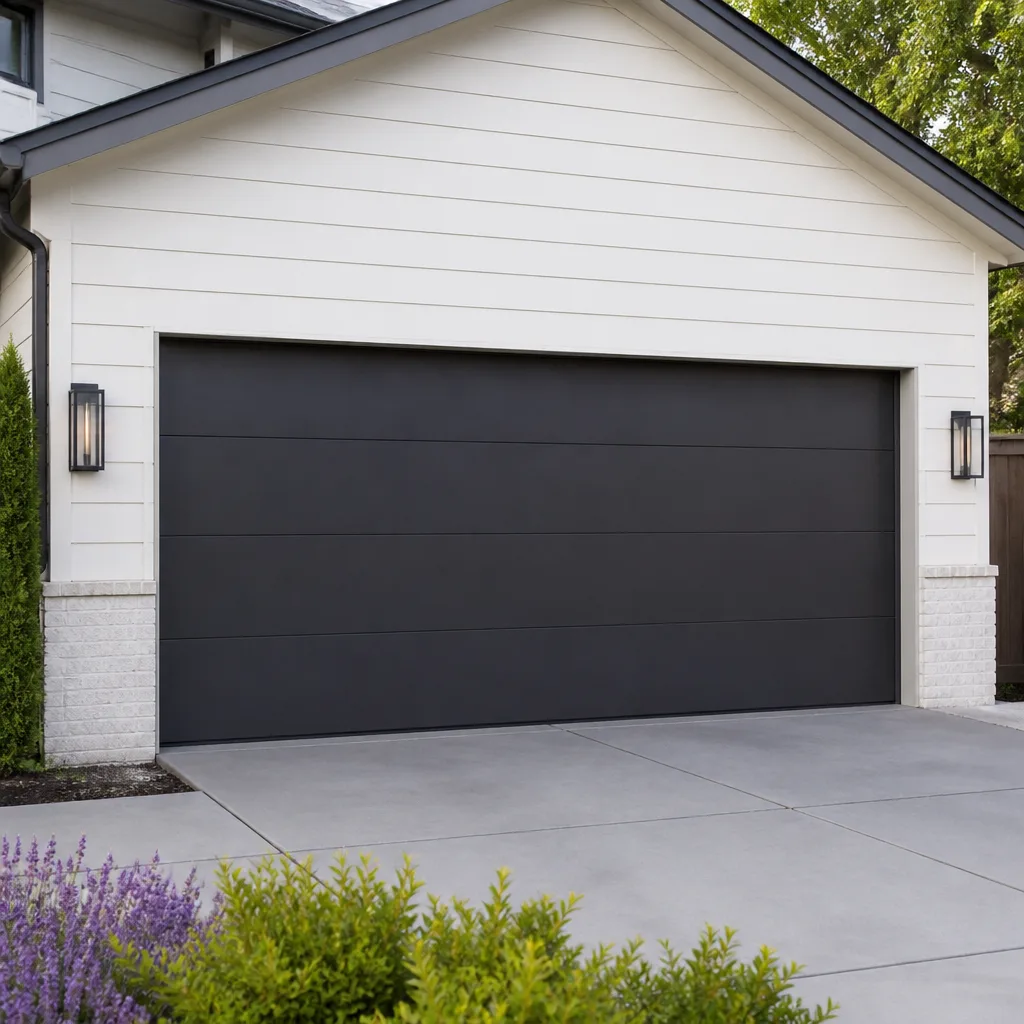 Modern flush
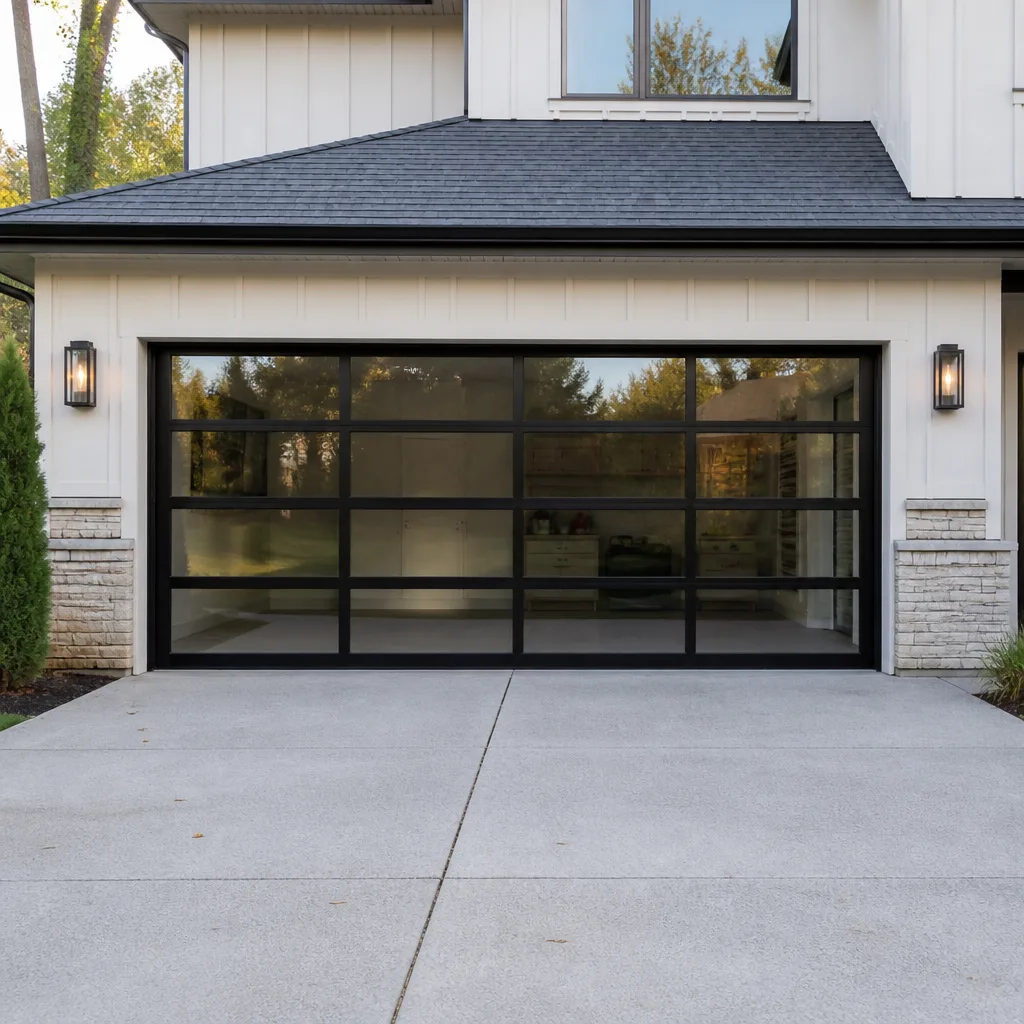 Full-view glass
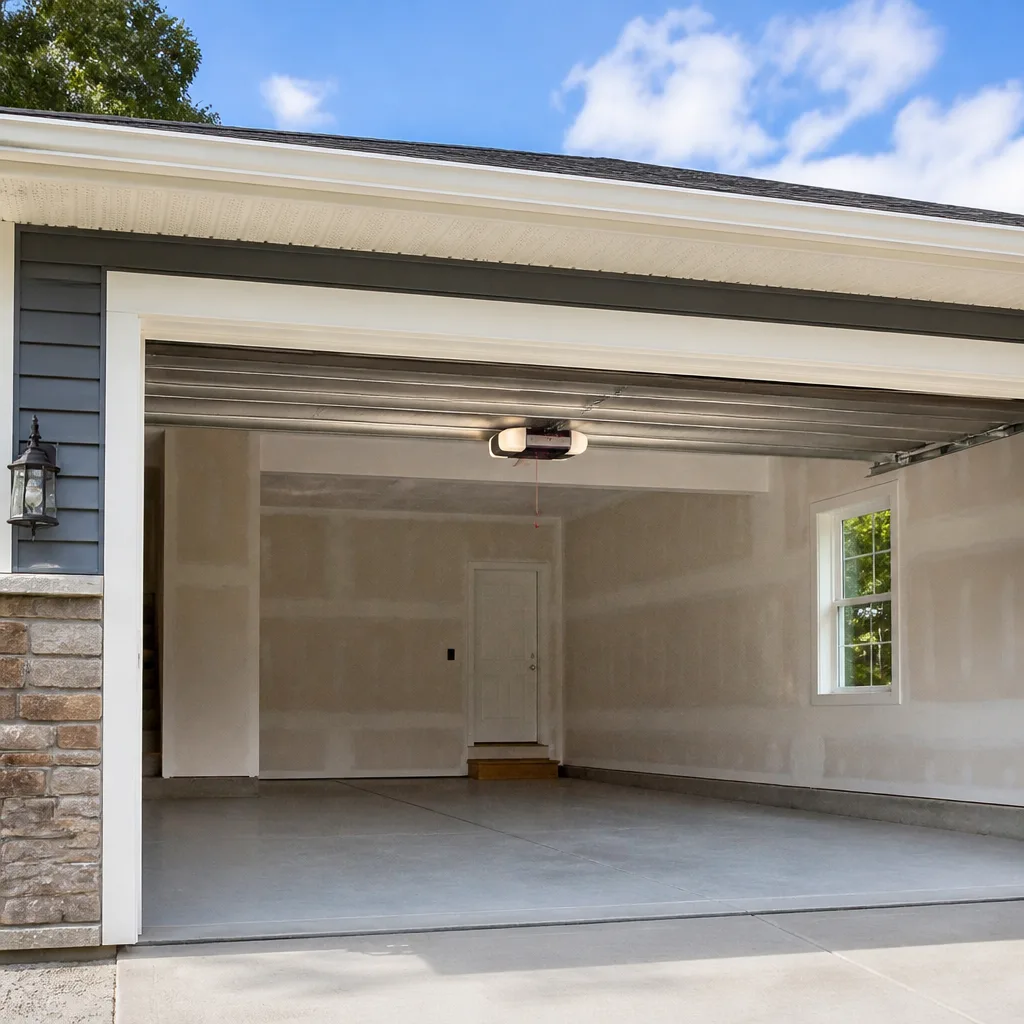 LiftMaster openers
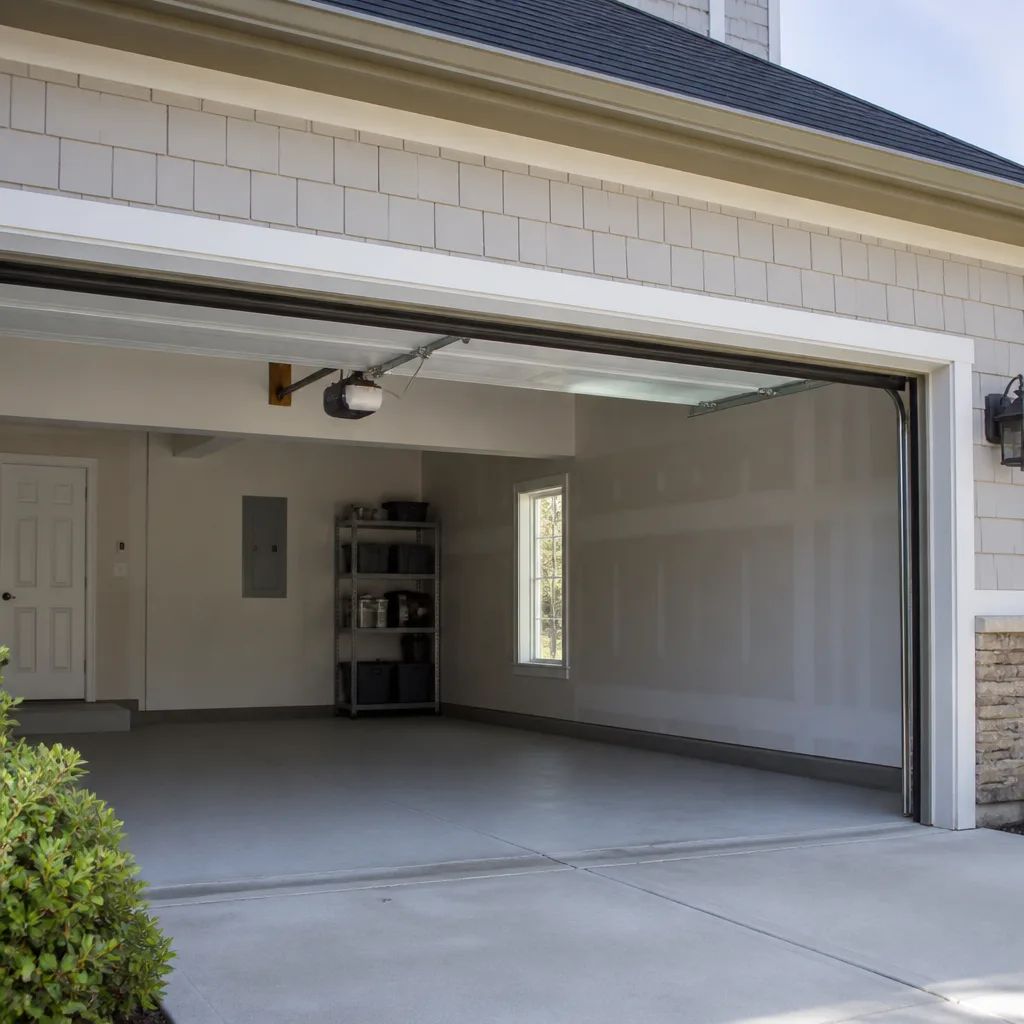 Chamberlain openers
Full 25-point door and opener safety check with every visit - springs, cables, rollers, tracks, and your LiftMaster or Chamberlain opener included
You get a price before we start. It does not change when the pro arrives.
Get your free estimateGarage Door Permits, Codes & Inspections in Magnolia, WA: What You Need to Know
Replacing a garage door opener needs no permit. Replacing the door itself on a home in certain Magnolia zones might, and the difference hinges on whether the project crosses from “like-for-like” into a structural alteration. Most homeowners have never heard of that threshold, and most contractors don’t bring it up, which is why so much garage door work around Magnolia gets done without anyone checking. This guide walks through the Seattle permitting framework that governs Magnolia garage doors, the fire separation and egress rules that affect older homes here, what actually happens when unpermitted work surfaces during a King County home sale, and how to check your own project in a few minutes.
Quick Answer
In Magnolia, replacing a garage door with a same-size, same-type unit is usually treated as a like-for-like replacement and doesn’t require a building permit. A project that changes the opening’s size, alters structural framing, adds or removes a garage, converts a garage to living space, or changes how the door performs as a fire or egress component typically does require a permit through Seattle’s building department. Opener swaps and routine repair don’t. When you’re unsure, the fastest answer is Seattle’s online permit tool or a call to the city’s building department before the work starts.
Styles & brands we work with
- Raised-panel steel
- Carriage house
- Modern flush
- Full-view glass
- LiftMaster openers
- Chamberlain openers
Table of Contents
- Where Repair Ends and Permitted Alteration Begins
- Seattle’s Permit Trigger Thresholds: Like-for-Like vs. Alteration
- How Magnolia’s Housing Mix Changes Permit Obligations
- Fire Separation and Egress: The Code Area That Affects Pre-1990 Garages
- What Happens When Unpermitted Garage Work Surfaces in a King County Sale
- How to Check Whether Your Project Needs a Permit: Step by Step
- What a Garage Door Inspection Actually Looks At
- Where a Garage Door Company Fits Into the Permit Process
Where Repair Ends and Permitted Alteration Begins
For garage door work in Magnolia, the honest answer to “do I need a permit?” depends on which bucket your project falls into, and there are three. Understanding the line between them is the whole point of this guide.
Bucket one: maintenance and repair. This covers spring replacement, cable replacement, roller and hinge swaps, panel repair, track straightening, opener repair, opener replacement with a unit of comparable capability, weather seal replacement, and safety sensor work. None of this changes the structure of the opening or the door’s role in the building envelope. No permit.
Bucket two: like-for-like replacement. A new door installed into the existing opening at the same width, height, thickness and general type, with no framing changes, is what the city treats as a replacement rather than an alteration in most cases. Many Magnolia homeowners breeze past this distinction, and it’s the one that trips people up. The door is new and the old one is gone, so it feels like a project. Structurally, nothing changed.
Bucket three: alteration. The opening gets wider or taller, the header gets modified, the track system gets reconfigured in a way that touches framing, the garage converts to habitable space, a new garage gets added, or the door’s relationship to fire separation and egress changes. These cross into work that needs a permit and, in some cases, design review.
- No permit: springs, cables, rollers, hinges, opener repair or replacement, seals, sensors, panel repair, track alignment.
- Usually no permit: same-size, same-type door replacement with no framing change.
- Likely needs a permit: bigger opening, structural header change, garage-to-living-space conversion, new or added garage, egress-related changes.
- Needs a permit and possibly more: anything touching fire separation between an attached garage and the house.
If you’re planning a repair rather than a replacement, our garage door repair service handles the routine work without any permit step. If you’re replacing, the section below on Seattle’s trigger thresholds is the one to read carefully.
Seattle’s Permit Trigger Thresholds: Like-for-Like vs. Alteration
Seattle’s permitting framework draws a practical line that comes down to one question: does the project change the building’s structure, use, or life-safety performance, or does it replace a component within an existing structural condition? That’s the mental model to hold when you’re deciding whether garage door work in Magnolia needs a permit.
The city’s building department, generally referred to as Seattle DPD, publishes permit requirements and exemptions in its permit code. The exact thresholds shift from time to time as the code updates, so treat this guide as the framework and confirm the current rule with the city before you commit to a project. That confirmation step takes ten minutes and saves you from a compliance issue later.
Here’s how the thresholds play out for garage doors in Magnolia.
- Same-size, same-type door: typically not a permit-level alteration. The opening is unchanged, the framing is unchanged, and the door’s fire and egress performance is comparable.
- Different door weight or operating technology with no structural change: still typically treated as a replacement. Going from a chain-drive opener to a smart-drive LiftMaster or Chamberlain unit doesn’t change the structure.
- Opening size change: needs a permit. Widening or raising a garage door opening touches the header, the framing, and potentially the shear wall. This is structural work.
- Garage conversion to living space: needs a permit and often additional review for egress, insulation, and fire separation.
- New garage or added bay: permit required, with site plan review.
- Fire separation changes: permit required when the door’s role in separating an attached garage from the house changes.
The takeaway: the door itself is not usually the permit trigger. The opening, the framing, and the building’s life-safety features are. If you’re going from one Clopay model to another Clopay model at the same dimensions, you’re in the replacement bucket. If you’re reshaping the opening to fit something new, you’re in alteration territory.
How Magnolia’s Housing Mix Changes Permit Obligations
Magnolia isn’t a single housing type, and that matters for permits. The neighborhood spans a wide range of eras and structures, and each one has a different relationship to code.
Older single-family homes built before roughly 1990 are the biggest category of permit ambiguity in Magnolia. These homes predate some of the current fire separation requirements for attached garages, and a garage door replacement on a house from that era can bring up questions about whether the existing separation meets current code. In practice, replacing the door with a like-for-like unit doesn’t trigger a code upgrade on the surrounding separation. Altering the opening does. If you’ve been considering a change in door size on an older Magnolia home, this is exactly the scenario where a call to the city saves you trouble.
ADU conversions are increasingly common in Magnolia, and they introduce a separate set of permit questions. Converting a garage into an accessory dwelling unit requires a full permit, and the egress, insulation, and fire separation requirements of the ADU code apply. The garage door becomes irrelevant as a door and relevant as a wall. This is not a garage door project at that point, it’s an ADU project that happens to displace a garage.
Newer construction and remodels in Magnolia tend to have garages built to a code cycle that’s closer to current standards, which means a like-for-like replacement stays in the simple bucket. The door’s fire rating, if any, is documented, and the opening dimensions match the standard the house was built to.
Townhomes and attached units have the additional consideration of fire separation between units. Replacing a door on a townhome garage usually stays in like-for-like territory, but any structural change needs to be reviewed with the fire separation between units in mind.
- Pre-1990 single-family: check fire separation before altering anything structural.
- ADU conversion: full permit, separate from garage door work.
- Newer construction: like-for-like replacement is straightforward.
- Townhomes: consider unit-to-unit fire separation on any structural change.
If you have a garage door opener that’s acting up and you’re not sure yet whether repair or replacement makes more sense, our garage door opener repair service can sort that out before you get into a permitting conversation about the door itself.
Fire Separation and Egress: The Code Area That Affects Pre-1990 Garages
If there’s one piece of code that catches more Magnolia homeowners by surprise than any other, it’s fire separation. An attached garage is separated from the rest of the house by a fire-rated wall, ceiling, and, sometimes, door. That separation is designed to give occupants time to escape if a fire starts in the garage, and it’s a life-safety feature the code takes seriously.
What that means for garage doors comes down to a few practical questions.
Is the garage attached or detached? Detached garages in Magnolia have no fire separation requirement with the house because there’s no shared wall. Attached garages do, and the door between the garage and the house, not the overhead garage door, is the one the code cares about most for egress paths.
What is the door’s fire rating? The person-door between an attached garage and the house is typically required to be a rated door, and the code specifies standards for that rating. Replacing that door is a separate project from replacing the overhead garage door, and in many cases it needs its own permit.
Does the overhead door play a role? The overhead door is not usually a fire-rated assembly. It’s a door to the outside. The fire separation is about the wall and ceiling between the garage and the house, and the person-door connecting them.
Egress from sleeping rooms can be affected if a garage conversion or addition blocks a required egress window or path. Older Magnolia homes with unusual layouts sometimes have this issue, and it’s the sort of thing the city will flag in review.
Fire separation work is not a garage door job in the usual sense. If a door on a Magnolia home is part of an assembly the code treats as fire-rated, that door should be replaced with a comparable rated door by someone who understands the rating requirement, and the work may need to be permitted. A general garage door company shouldn’t guess at the rating. If you’re uncertain, the city’s building department is the authority to call.
What you can do without special permitting: replace a worn overhead garage door with a same-size unit of the same general type, since the overhead door isn’t typically part of the fire separation assembly. If you’re planning that garage door installation, confirm with the installer whether any fire rating applies to the specific door they’re supplying. Most residential overhead doors don’t carry a fire rating, but confirming costs nothing.
What Happens When Unpermitted Garage Work Surfaces in a King County Sale
Unpermitted garage work comes up most often during a sale, and the consequences are practical rather than hypothetical. Here’s how it actually plays out on a King County transaction.
Disclosure. Washington requires sellers to disclose known unpermitted work on a Seller Disclosure Statement. If you’ve converted your Magnolia garage to a living space without a permit, or replaced an opening with a different-size door without one, that’s a known condition you’re required to disclose. A buyer can also discover it through the city’s permit records, which are public.
Inspection and appraiser attention. A home inspector will note discrepancies between the current state of the garage and what the county shows on record. An appraiser may flag finished spaces with no permitted record and either not count the square footage or note the discrepancy. Either can cost you at negotiation.
Buyer’s remedy. The buyer can ask you to permit the work retroactively, take the cost off the sale price, or walk away. Retroactive permitting can require opening up walls, upgrading to current code, and paying permit fees and inspection costs. On a garage conversion, that can be a substantial change.
Title and lender concerns. In some cases, unpermitted additions can complicate title or trigger lender conditions, particularly when the unpermitted space affects the property’s legal description or the lender’s risk assessment.
The buyer’s option to accept. Sometimes the buyer accepts the condition as-is, particularly if the unpermitted work is minor, like a door replacement that was never a permit trigger in the first place. This is fine if the work was truly in the no-permit category. It becomes a negotiation point if the work was in the alteration category.
- Disclosure is required for known unpermitted work.
- Permit records are public and can be checked by buyers.
- Inspectors and appraisers look for discrepancies.
- Retroactive permitting is possible but can require upgrades.
- Minor like-for-like replacement rarely surfaces as an issue.
The clean approach in Magnolia: if you’re doing garage door work that might cross into alteration territory, get the permit. If you’re doing routine repair or like-for-like replacement, the risk is effectively zero.
How to Check Whether Your Project Needs a Permit: Step by Step
Seattle publishes its permit tools online, and the process for checking your garage door project is straightforward. Follow these steps before you commit to a project in Magnolia.
- Write down what’s actually changing. Door size? Framing? Opener? Springs? Person-door between garage and house? The list of changes determines which permit category the project falls into.
- Locate your property in the Seattle online permit tool. The city’s site lets you search by address to see permit history and the current zoning and code designations for your parcel. This is also where you check the specific permit type that applies.
- Read the permit exemption list for residential projects. The city publishes its exemptions, and a like-for-like replacement is usually on that list. Alterations to structure or use are not.
- Call Seattle DPD directly if the answer isn’t clear. The department’s permit specialists can tell you whether your project needs a permit based on what you describe. Bring your address and the specifics.
- If a permit is required, apply before the work begins. Permits are not retroactive in a way that reliably saves you trouble. Applying first keeps the project clean.
- Book an inspection if the permit requires it. Some garage door projects will require an inspection after the work is complete, and the building department will tell you what the inspection covers.
- Keep the paperwork. The permit and inspection records become part of your property’s file and will surface cleanly if you ever sell.
If the project is a simple repair or a parts replacement, there’s no permit step. Our garage door repair work covers springs, cables, and openers every week in Magnolia, and none of those jobs require review.
What a Garage Door Inspection Actually Looks At
A garage door inspection can mean two things in Magnolia. It can be the city’s inspection as part of a permitted project, or it can be a safety inspection done by a garage door technician. Both are useful, but they look at different things.
City inspection after a permitted project is a code compliance check. The inspector is confirming the work matches what was permitted and the assembly performs as the code requires. For a garage door, this typically covers the structure of the opening, the door’s operation, and the door’s contribution to the building’s life-safety performance. These inspections are scheduled through the city.
A garage door safety inspection is what we do, and it’s not a permit step. It’s a check on the door as a machine. Here’s what it covers.
- Springs and cables. A safety inspection looks at whether the springs show fatigue, whether the cables are sound, and whether the hardware is under the right tension. Springs and cables are the highest-risk components on any garage door, and we don’t recommend adjusting them yourself.
- Opener operation and safety reverse. The opener’s auto-reverse is checked by placing an object in the door’s path. Modern LiftMaster and Genie units have specific settings for this, and a misconfigured reverse is a real safety problem.
- Safety sensors. Photoelectric sensors at the bottom of the tracks tell the opener to stop if something crosses the beam. They need to be aligned and functioning.
- Balance and travel. A door that doesn’t balance well puts strain on the opener and on the springs. A safety inspection tests balance manually.
- Panels, hinges, rollers, and tracks. Physical condition of the door’s components and whether the door travels cleanly in its tracks.
- Weather seal and bottom seal. A worn bottom seal lets water and cold air into the garage and is easy to replace.
We recommend a safety inspection any time you hear a new noise, notice the door operating more sluggishly, or after a power outage has caused a manual release to be used. For pre-1990 Magnolia homes, an inspection is a good idea on any door that hasn’t been serviced in a few years, since the older hardware tends to be the hardware that fails.
Where a Garage Door Company Fits Into the Permit Process
Here’s the part that Magnolia homeowners find most useful: a garage door company is not usually the entity pulling the permit for a permitted project. Structural alterations and garage conversions go through general contractors and, in some cases, an architect or designer, because the permit scope extends beyond the door itself. What a garage door company does well is install or repair the door within a structural condition that’s already permitted or already code-compliant.
Where we help most in Magnolia:
- Explaining the difference between repair, like-for-like replacement, and alteration so you know when to call the city.
- Confirming door specifications when a same-size replacement is the right move, so the like-for-like character is clear on the record.
- Handling the technical installation of a new door on an existing opening, which is where installation quality actually lives.
- Spring, cable, opener, roller, and hinge repair on anything from a legacy Craftsman opener to a current LiftMaster smart-drive unit. These are repairs, not permits.
- Supplying parts directly for homeowners who are handling their own installation or working with another contractor.
We service the eight most widely installed residential garage door and opener brands: LiftMaster, Chamberlain, Genie, Clopay, Amarr, Wayne Dalton, Craftsman, and Raynor. That matters for permit and inspection conversations because the replacement door needs to match the opening’s specification, and we can tell you what spec a given Raynor or Amarr model carries. Our technicians have up to 8 years of experience, and spring repair is done as a core service rather than referred out.
If a Magnolia project turns out to need a permit, we can tell you what door spec to write into the application. If it doesn’t, we’ll get it installed without a permit step. If your opener is the issue rather than the door, we cover garage door opener repair across traditional and smart-home-integrated systems so the fix is handled on the spot.
Common Mistakes to Avoid
- Assuming any door replacement needs a permit. A same-size, same-type replacement usually doesn’t, and homeowners who pull a permit unnecessarily spend money and time on red tape. Check the trigger thresholds before you commit.
- Assuming no door replacement ever needs a permit. The opposite mistake. If the opening size, header, or garage-to-living-space use changes, a permit is likely required, and skipping it shows up during a sale.
- Converting a garage to an ADU without a permit. ADU conversions are one of the most common unpermitted garage projects in Magnolia, and they carry the biggest permitting and home-sale exposure of any garage door project. Treat an ADU conversion as a full permitting project from the start.
- Ignoring fire separation on a pre-1990 attached garage. Older Magnolia homes sometimes have separation that predates current code, and any change to the wall, ceiling, or person-door can trigger review. Ask before you touch it.
- Not checking the property’s permit history. Seattle’s online permit tool shows what’s been recorded for the address. Looking it up before a project saves you from inheriting a prior owner’s unpermitted work.
- Hiring a contractor who won’t name the door spec. A replacement door needs to match the opening’s dimensions precisely for a like-for-like claim to hold. If your installer can’t say what model and dimensions they’re using, ask.
- Confusing the overhead door with the person-door. Fire rating requirements apply to the door between the garage and the house, not typically to the overhead door. Don’t skip the person-door check just because the overhead door is getting replaced.
See the difference
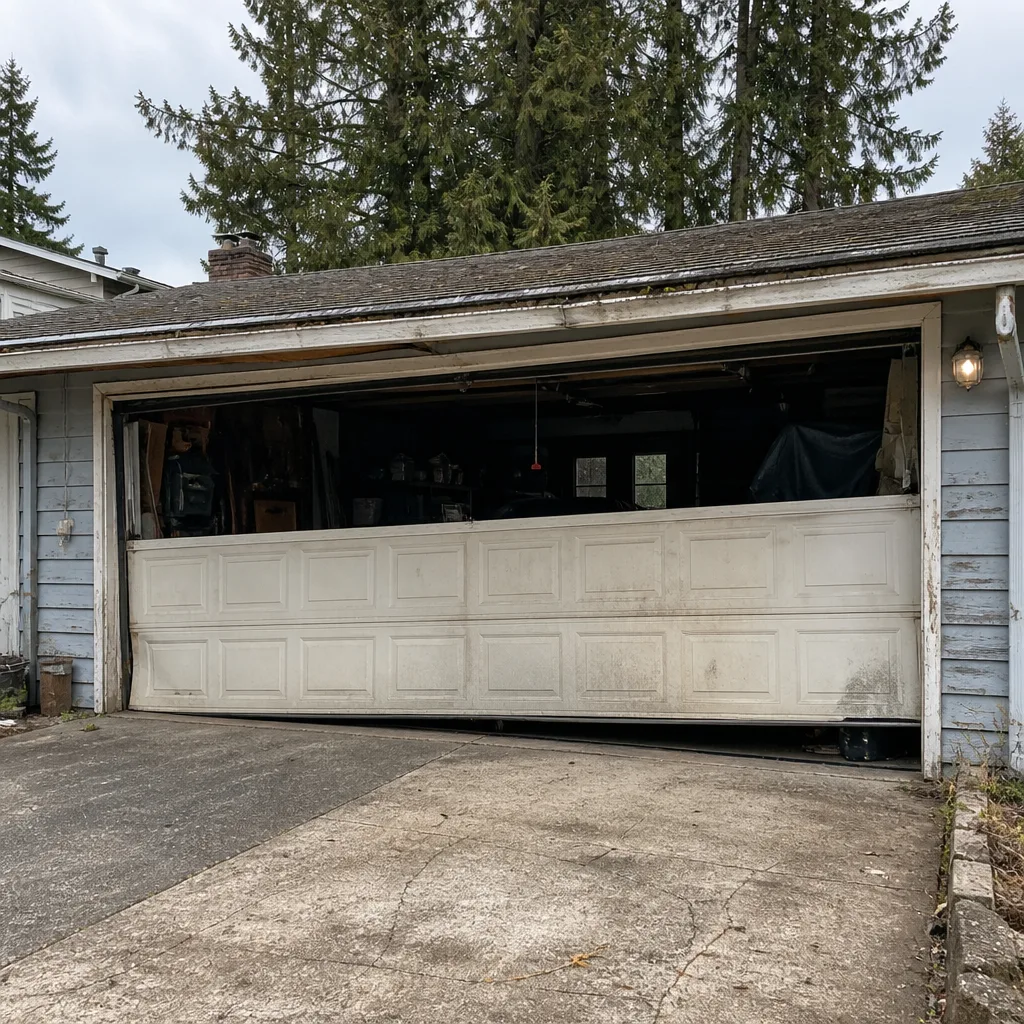 Before
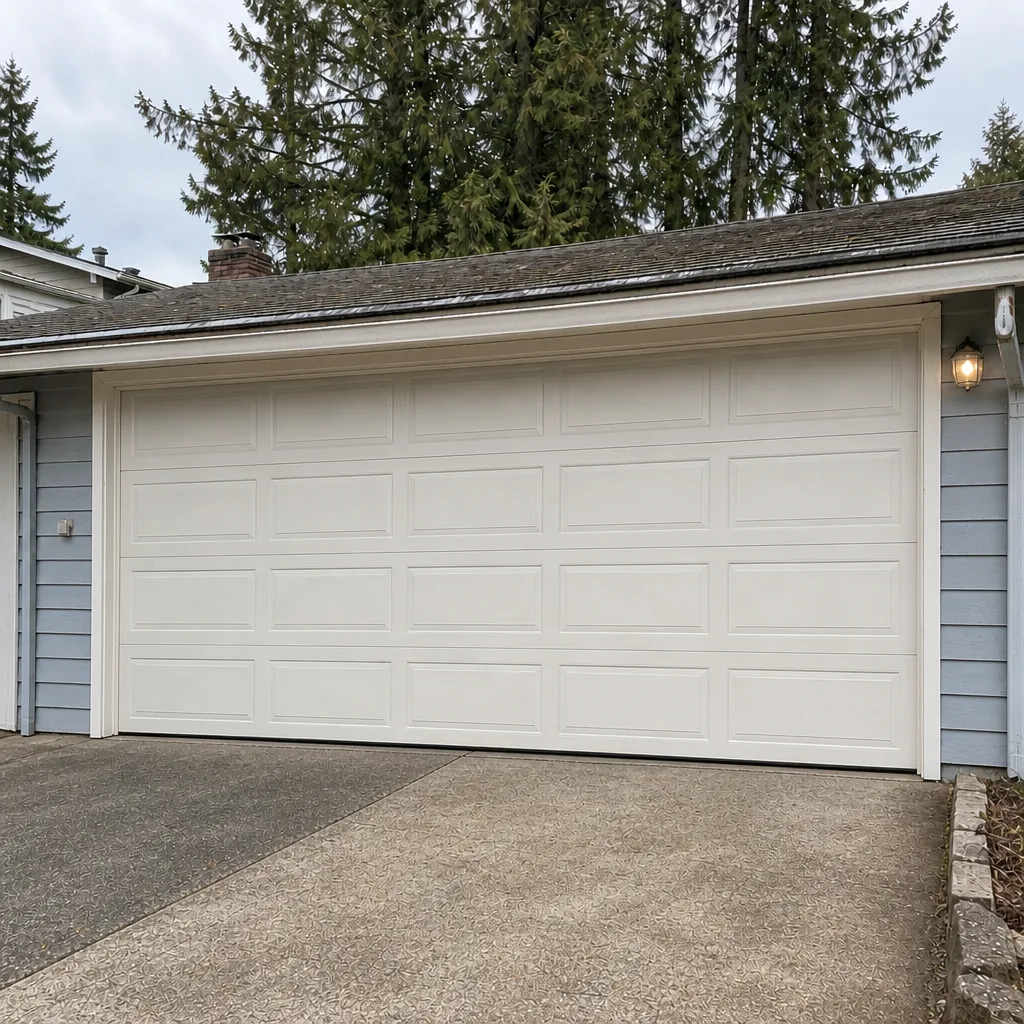 After
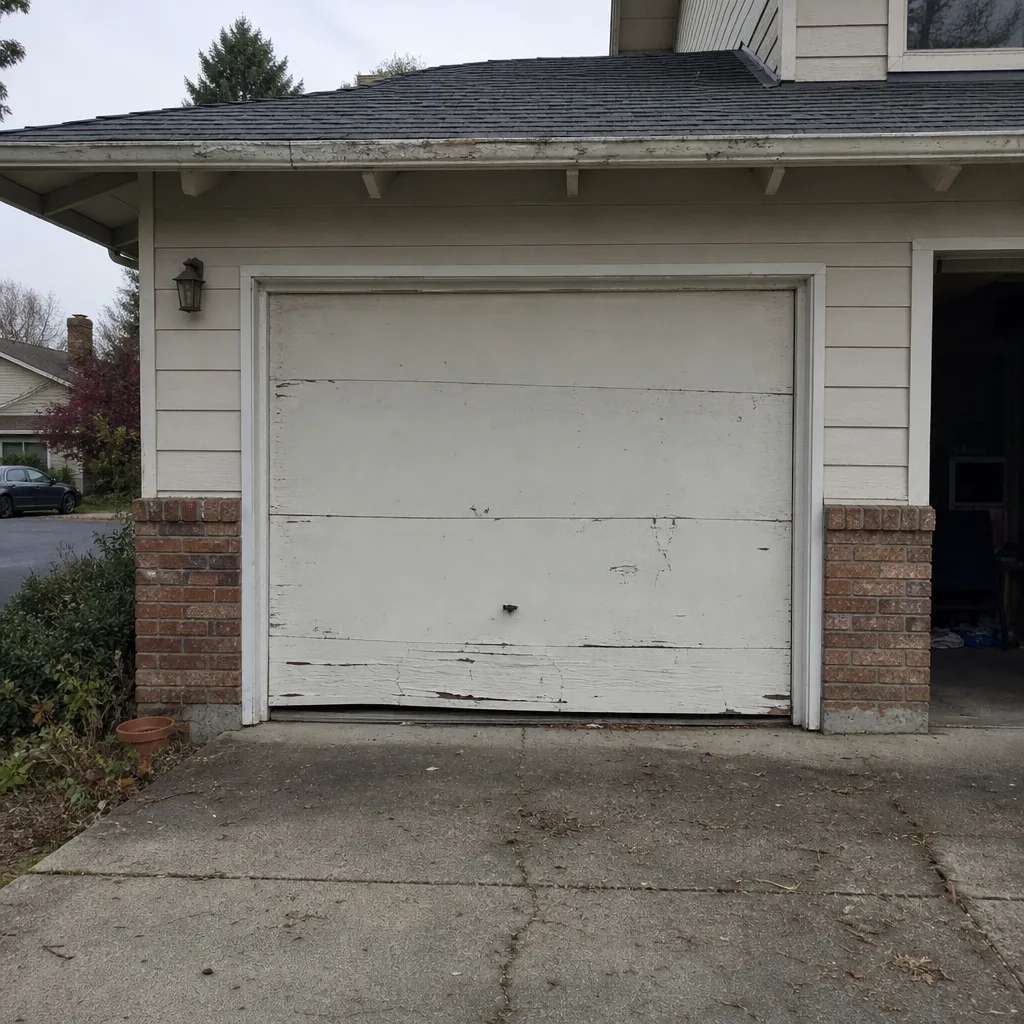 Before
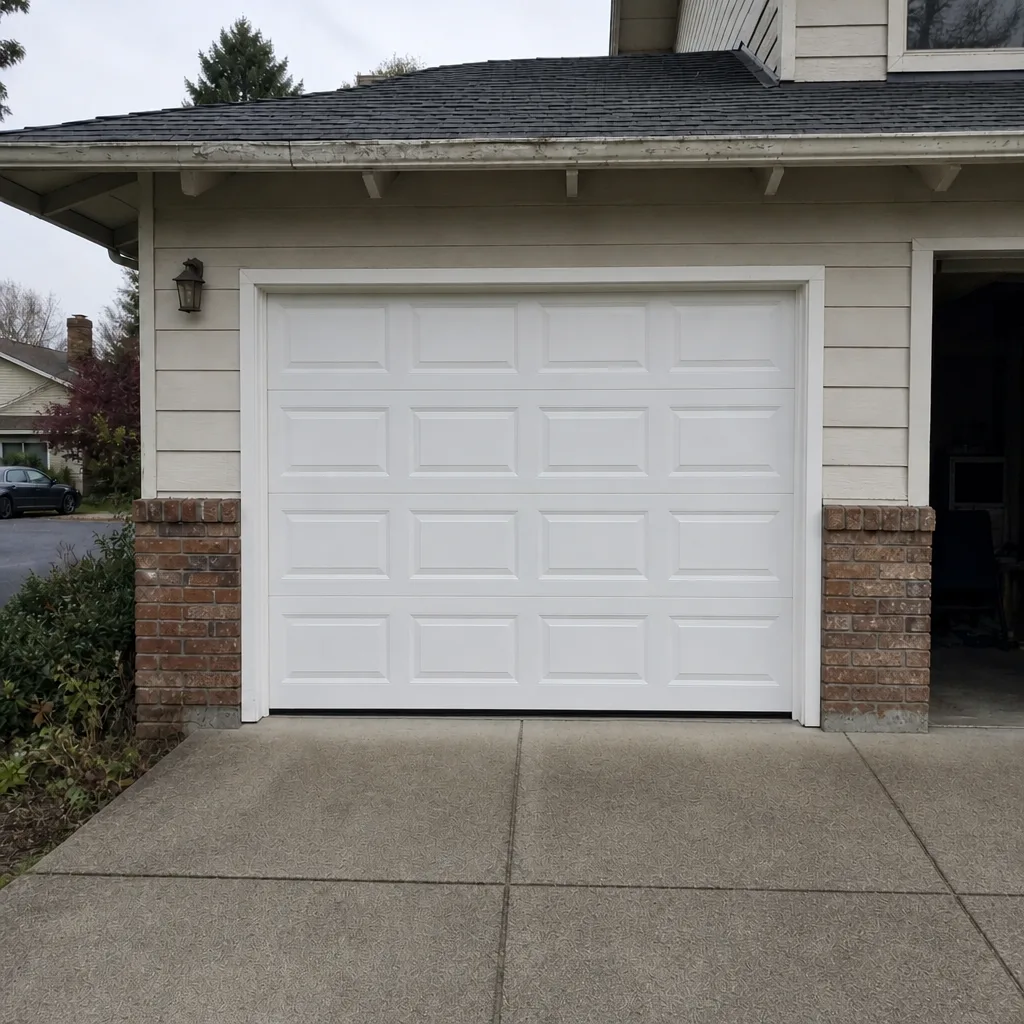 After
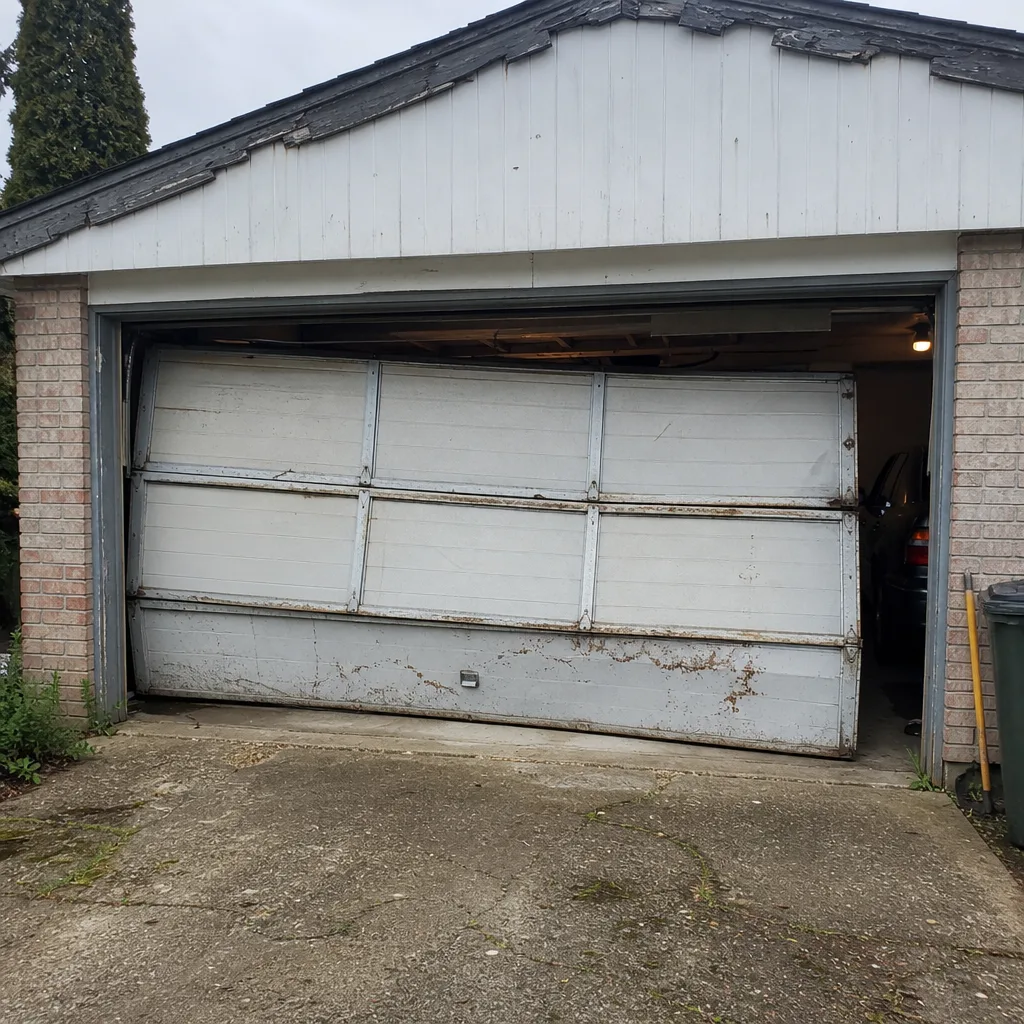 Before
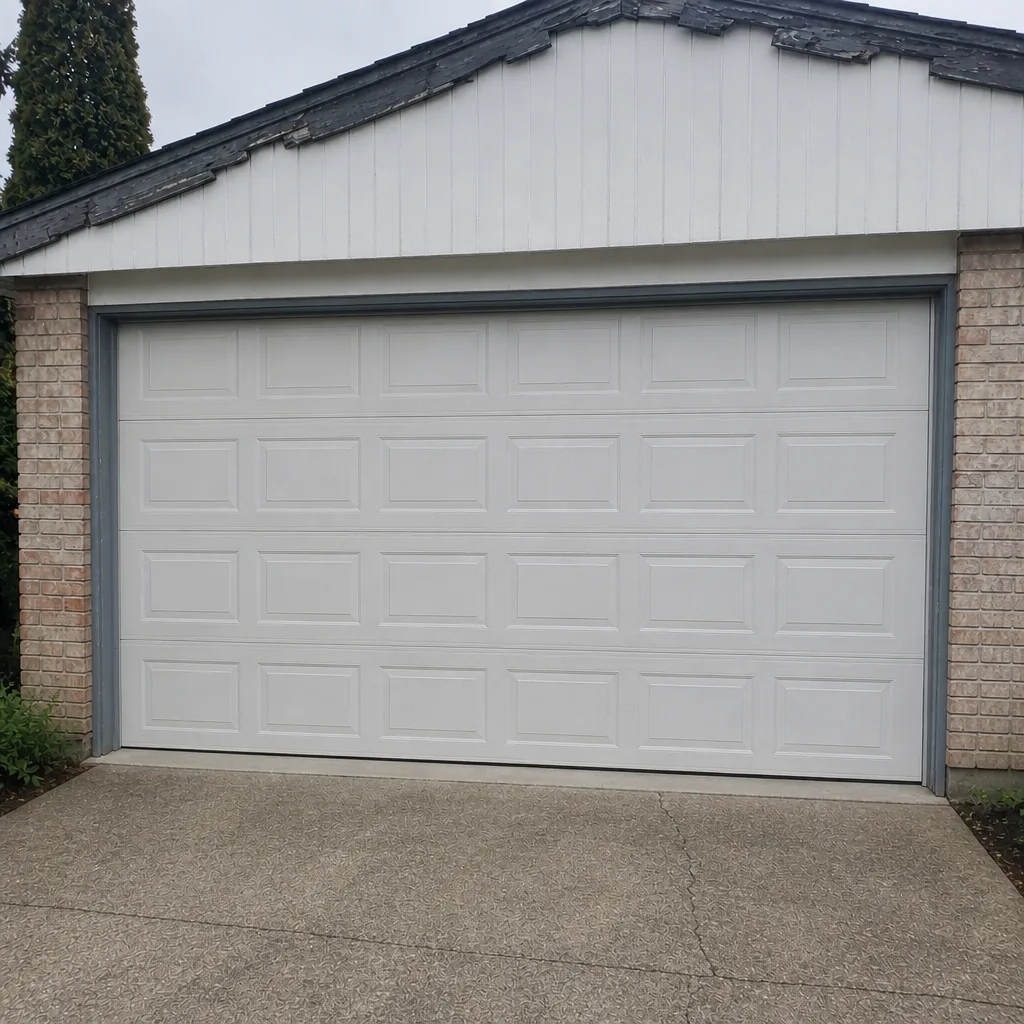 After
When to Call a Professional
Call us for the repair and installation work that doesn’t involve a permit question: a spring that’s broken, an opener that’s failing, a door that’s coming off its tracks, a bottom seal that’s worn through, or a same-size replacement on an existing opening. Call us when you’re not sure which category your project falls into, and we’ll tell you if it’s a permit question or a garage door question, since those often require different people.
Don’t call us to adjust a spring yourself. Springs and cables are the highest-risk components on the door, and the tension in a wound torsion spring is not a DIY project. If you hear a loud snap from the garage, if the door won’t lift, or if the cables look slack, that’s a professional call.
Magnolia Garage Door Repair Pros offers free estimates in Magnolia, and we can walk through the door spec, the repair scope, and the permit question on the visit. We also supply parts directly for homeowners who are doing the work themselves or working with another contractor. Call (855) 337-1237.
Frequently Asked Questions
Usually no, as long as it’s a like-for-like replacement: same width, height, type, and weight, with no changes to framing or the opening. A project that widens or raises the opening, modifies the header, changes the garage’s use, or alters fire separation typically does require a permit through Seattle’s building department. When in doubt, call the city or check their online permit tool before the work starts, and call (855) 337-1237 for an exact quote on the door work itself, since estimates are free.
No. A garage door opener replacement is not a structural change to the building, so it doesn’t trigger a building permit. That’s true whether you’re going from a legacy Craftsman unit to a current LiftMaster smart-drive system or swapping one Genie for another. Call (855) 337-1237 for a quote on the opener install, and we’ll confirm the fix on the visit.
No. Converting a garage into living space, including an ADU, requires a permit from Seattle’s building department. The review covers egress, insulation, fire separation, and in the case of an ADU, the separate ADU code. This isn’t a garage door question at that point; it’s a remodel, and skipping the permit creates real complications in a future King County sale.
Sellers are required to disclose known unpermitted work on the Seller Disclosure Statement, and buyers can also check Seattle’s public permit records. If a discrepancy surfaces, the buyer can ask you to permit the work retroactively, negotiate the cost off the sale price, or walk away. Retroactive permitting can require opening walls and upgrading to current code, which is where the expense really lives. Call (855) 337-1237 if you’re sorting out whether the door work itself was ever a permit question.
Not if it’s a like-for-like replacement, since no permit means no inspection. If the project required a permit, the city will tell you what the inspection covers and when it happens. A safety inspection by a garage door technician is a separate, non-permit check on springs, cables, opener safety reverse, sensors, and door balance, and it’s worth doing on any door that hasn’t been serviced recently.
Write down what’s changing, look up your address in Seattle’s online permit tool, and review the residential permit exemption list. If the answer isn’t clear from the tool, call Seattle’s building department directly with your address and the specifics of the work. They’ll tell you which category the project falls into, and that call is always faster than retroactive permitting.
The Bottom Line
Garage door permits in Magnolia come down to one question: is the project a repair, a like-for-like replacement, or a structural alteration? Repairs and like-for-like replacements usually don’t require a permit. Alterations to the opening, framing, use, or fire separation usually do. The pre-1990 attached garages and ADU conversions in Magnolia are where the rules get most consequential, and where a permit check catches the most problems. Check Seattle’s permit tool or call the city before a large project, and call a garage door company for the door work itself. Magnolia Garage Door Repair Pros handles all of it under one company: repair, opener service, installation, springs, and parts. Call (855) 337-1237 for a free estimate in Magnolia.
Written by the team at Magnolia Garage Door Repair Pros.