Last updated November 21, 2026
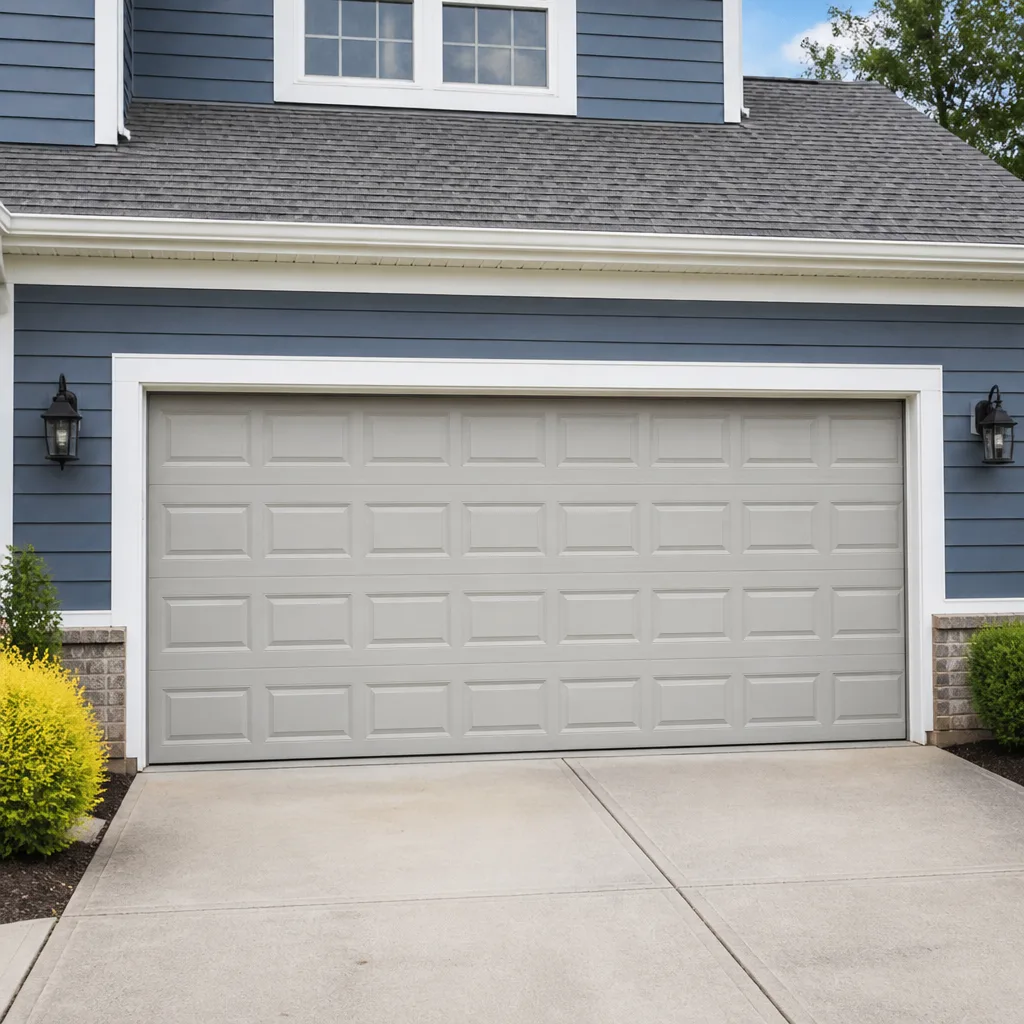 Raised-panel steel
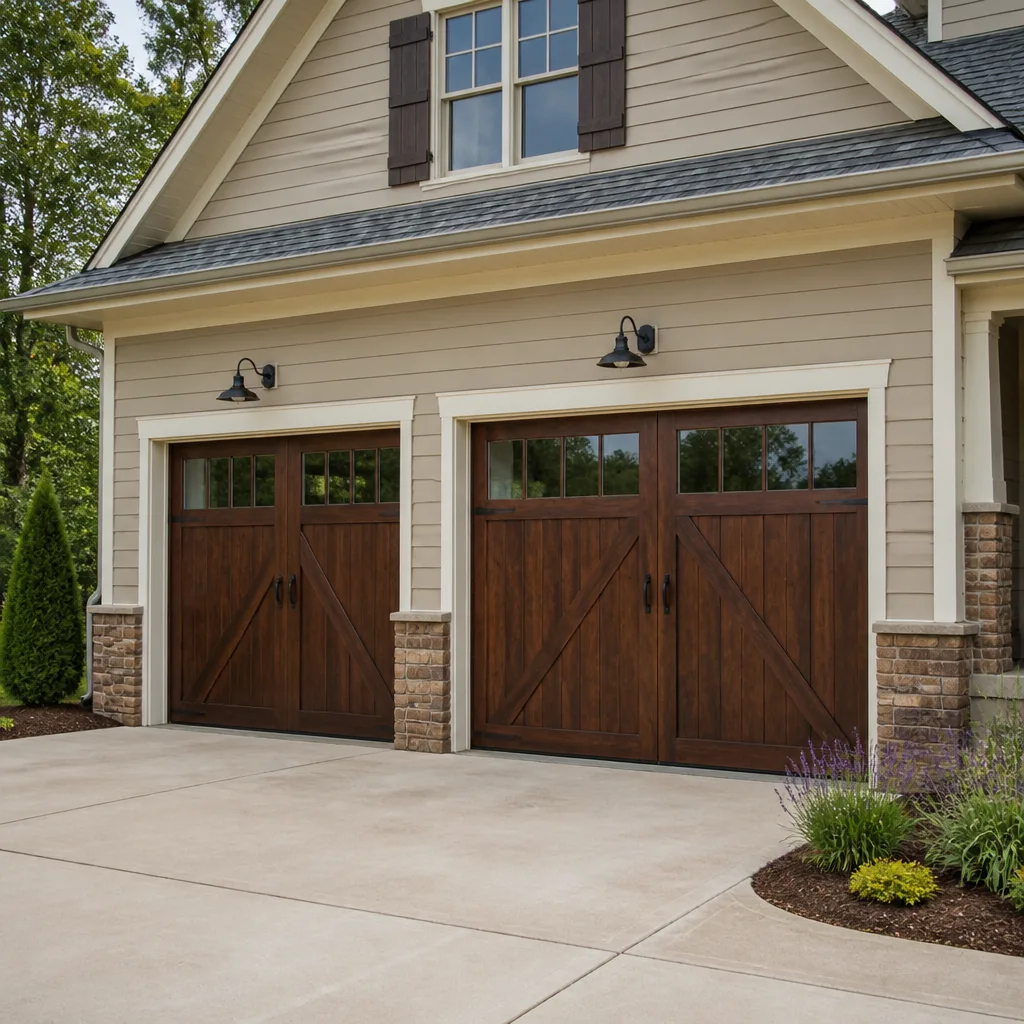 Carriage house
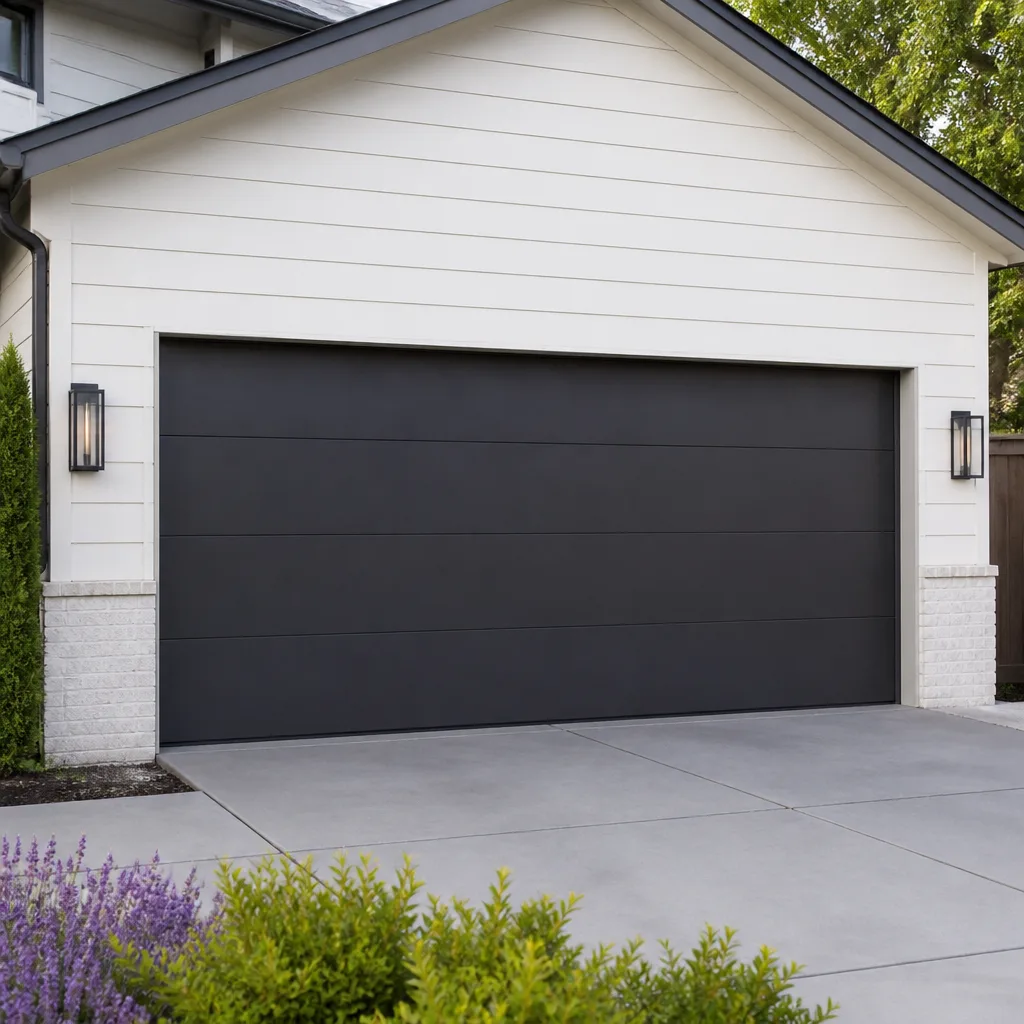 Modern flush
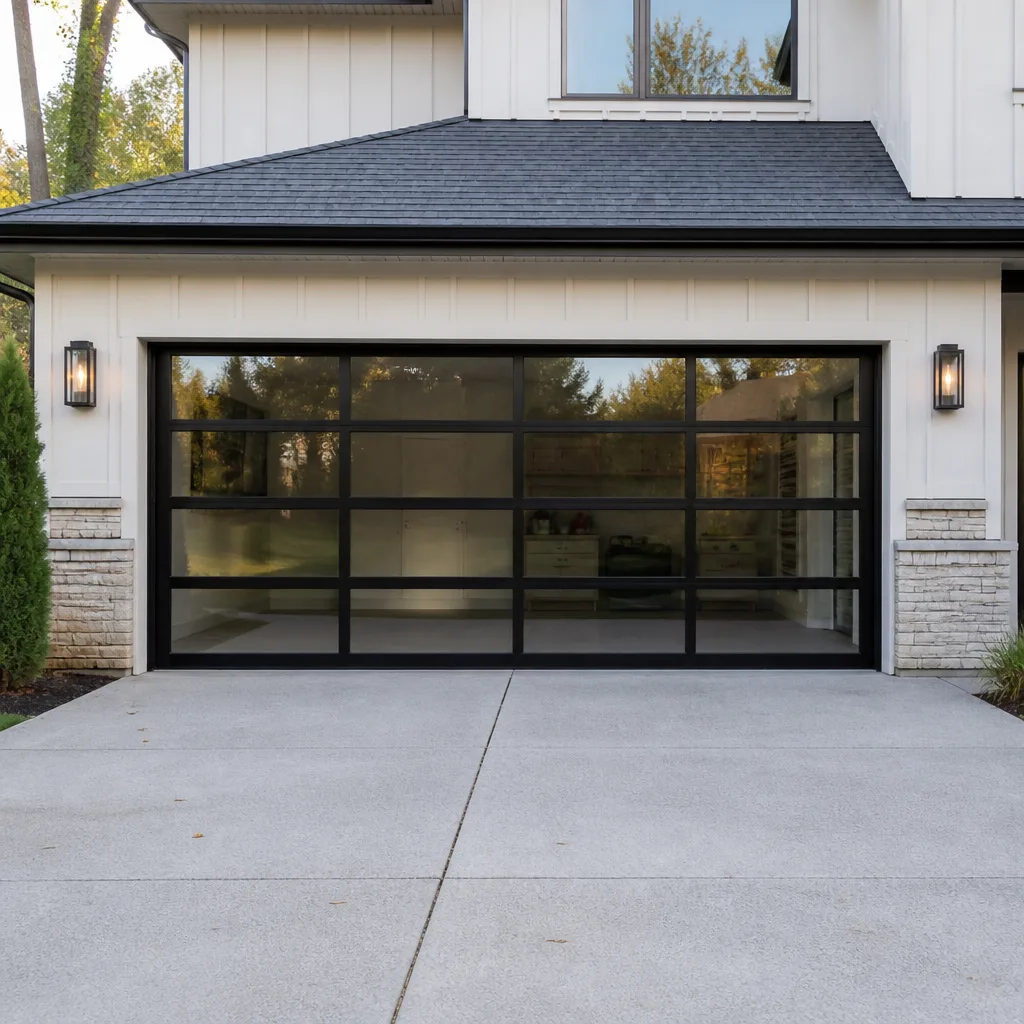 Full-view glass
 LiftMaster openers
 Chamberlain openers
Full 25-point door and opener safety check with every visit - springs, cables, rollers, tracks, and your LiftMaster or Chamberlain opener included
You get a price before we start. It does not change when the pro arrives.
Get your free estimateSeasonal Garage Door Care for Magnolia: Year-Round Homeowner’s Guide
Most seasonal garage door guides were written for a climate that isn’t ours. They warn about hard freezes, ice dams, and the damage a deep winter does to metal and lubricant. That’s Eastern Washington’s problem, not ours. Here in Magnolia, the season that does the most damage is the one nobody warns you about: the shift from wet winter into dry summer, when door seals that swelled with months of moisture shrink and crack within a few weeks if they weren’t tended in March. This guide maps the maintenance tasks that actually matter to Magnolia’s wet-mild-wet pattern, month by month, so you can catch problems before they turn into repair calls.
Quick Answer
The most important seasonal garage door maintenance in Magnolia, WA, happens in early spring, right after the wet season ends: inspect and treat every weather seal, check for rust at the bottom section and hinges, and lubricate moving parts before the dry summer shrinks seals that took on moisture all winter. Summer care centers on UV damage to south-facing seals and wood panel moisture checks, while fall prep is about keeping damp out, not keeping freeze out. A 15-minute walk-around each season catches the large majority of problems early.
Styles & brands we work with
- Raised-panel steel
- Carriage house
- Modern flush
- Full-view glass
- LiftMaster openers
- Chamberlain openers
Table of Contents
- Why Magnolia’s Seasons Don’t Match the Generic Guide
- A Month-by-Month Task Map for Magnolia
- Spring: The Highest-Priority Maintenance Window
- Summer: UV, Wood Moisture, and Opener Heat
- Fall: Preparing for Damp, Not Freeze
- Winter: What Persistent Wet Really Does
- The 15-Minute Seasonal Walk-Around Habit
- Brand-Specific Care Notes
Why Magnolia’s Seasons Don’t Match the Generic Guide
A seasonal guide written for a cold-winter climate assumes four clean phases: freeze, thaw, heat, and cool. Magnolia doesn’t run that cycle. What we get is a long wet stretch from November into March, a short drying-out window, a mild summer, and then back into damp. The garage door sits inside that pattern, absorbing moisture and then releasing it, expanding and contracting on its own schedule.
That wet-mild-wet rhythm sets up a failure calendar of its own:
- Seals swell in winter, then shrink in spring. Rubber and vinyl bottom seals take on moisture during the wet months and loosen. When the dry weather arrives, they contract, and hairline cracks open. That’s where most water intrusion starts.
- Rust shows up more in the damp months than in the cold. Steel bottom sections and hinges hold moisture against the metal. In Magnolia, rust prevention is a year-round habit, but the damp stretch is when it accelerates.
- Wood panels move with humidity, not temperature. A Clopay or Amarr wood-look door can look fine all winter and then show panel gaps in July when the wood releases the moisture it held.
- Sun is an underrated factor. Magnolia summers are mild, but a south-facing door still gets steady UV, and that’s hard on seals, paint, and opener electronics mounted in a warm garage.
None of this makes the door dangerous on its own. It makes care a matter of timing. Handle seals and rust in the damp months and again in spring, and you avoid the deferred repairs that pile up when a small crack or a stiff hinge is left for a year.
A Month-by-Month Task Map for Magnolia
Instead of four generic seasons, track your door against what the weather actually does here. Use this map as a starting point and shift it to match how wet or dry the year runs.
- January – March (deep wet season). Watch the bottom seal for standing water and the door’s path for pooling. Check hinges and rollers for stiffness. Keep the tracks clear of grit washed in on wet shoes and tires.
- April (the crucial transition). This is the highest-value maintenance month. Inspect the full perimeter seal, look for rust at the bottom section and hinges, and lubricate rollers, hinges, and springs following the manufacturer’s guidance.
- May – June (dry-out and early summer). Re-check seals for shrinkage and cracking now that the air is drier. Test the opener’s safety reverse. Clean and inspect the photo-eye lenses.
- July – August (mild summer). Check south-facing seals and paint for UV wear. Look at wood panels for moisture release gaps. Glance at the opener mounted in a warm garage for heat-related quirks.
- September – October (fall prep). Clear gutters and the door’s threshold of debris. Re-seal any gap you noticed through summer. Tighten hardware that loosened over the dry months.
- November – December (back into damp). Confirm the bottom seal sits tight to the floor, check for rust starting again, and make sure water drains away from the door, not toward it.
This map isn’t a set of rules carved in stone. It’s a rhythm. If a long dry spell runs into October, treat it like an extended summer. If the rain returns early, move your seal check up.
Spring: The Highest-Priority Maintenance Window
If you do one careful inspection a year, make it in early spring. The November-to-March wet season leaves the door in a specific state: seals that swelled and loosened, hardware that picked up moisture, and tracks that collected grit. Spring is when you correct all of that before the dry air finishes the job.
Here’s what to check in the spring walk-around:
- The full perimeter weather seal. Press along the bottom and sides. Look for cracking, gaps where the seal has pulled away, and spots where it no longer contacts the floor or frame.
- Rust at the bottom section and hinges. The bottom panel takes the most splash and damp. Surface rust is common and treatable; deep pitting needs a closer look.
- Hinge and roller condition. Wobble at the hinges and worn rollers show up more after a wet stretch.
- Track alignment and debris. Wet months leave grit in the tracks that wears rollers faster.
- The balance test. Disconnect the opener and lift the door by hand to roughly waist height. It should hold there. If it drops or feels heavy, the springs need attention from a trained technician.
Springs are the one part of this list no homeowner should adjust. Torsion springs are under high tension, and an amateur touch is how serious injuries happen. If the balance test fails or you hear a loud snap, stop and call. Our trained technicians handle spring work as a core service, not a referral, and we can quote the job before anyone starts.
When the inspection turns up something beyond maintenance, that’s where we come in. Whether it’s a worn seal that needs replacing or a hinge that’s failed, we handle garage door repair with the door you actually have.
Summer: UV, Wood Moisture, and Opener Heat
Magnolia summers are gentle compared to the rest of the state, but three summer-specific issues still show up that a cold-climate guide never mentions.
UV seal degradation on south-facing doors
A door that faces south takes direct sun through the summer. UV gradually hardens and cracks the bottom seal and the perimeter weatherstripping. Check for a chalky, brittle feel and small cracks where the seal meets the frame. A seal that cracked in spring UV exposure can let in water come fall.
Wood panel moisture release
Wood and wood-look doors store moisture through winter. As the air dries in summer, panels release that moisture and can show small gaps at the seams. On a Clopay or Amarr door with wood components, look for gaps and any loose trim. Catching a panel gap early keeps water out of the joints later.
Smart opener Wi-Fi heat sensitivity
A garage-mounted opener sits in a space that warms up in summer. Some smart openers – including LiftMaster and Chamberlain units with Wi-Fi – can get finicky when the electronics run warm, and a dropped Wi-Fi connection or an unresponsive app is more common in summer heat than in cool weather. If your app lags only on hot days, check the unit’s ventilation and its mounting spot before assuming the opener failed. We repair both legacy Craftsman units and current smart models, so a heat-related quirk gets diagnosed properly rather than written off as a failed unit.
For any opener behaving oddly through summer, our garage door opener repair covers the full range of brands in the home.
Fall: Preparing for Damp, Not Freeze
Fall prep in Magnolia isn’t about protecting against hard freezes. It’s about keeping persistent damp out of a door and a garage that will sit in wet weather for months. Water is the enemy, and it finds the smallest opening.
Before the wet season settles in, do this:
- Re-seal the perimeter. Any gap you saw through summer needs to close. This is your last good window before the rain returns.
- Clear debris from the threshold and tracks. Leaves and grit trap moisture against the bottom section and start rust.
- Tighten loose hardware. Dry summer air can loosen bolts and hinges slightly. Snug them before the wet months.
- Check drainage around the door. Make sure water runs away from the garage, not toward the threshold. Grading and gutters matter here.
- Treat bare or rusted spots on the bottom section. Rust prevention is more important in our climate than freeze protection.
If a door’s wood panels or trim are showing moisture trouble, a Wayne Dalton wood or wood-grain door may need a fresh coat of protection. We carry parts and components from the major brands, so a small fix doesn’t have to wait on a special order from elsewhere.
Winter: What Persistent Wet Really Does
Through winter, Magnolia rarely sees the hard freezes that freeze a door’s mechanism. What we get is damp, day after day. That steady moisture is the real stress on a door.
Watch for these during the wet months:
- Bottom-seal swelling. Rubber and vinyl seals take on moisture and can loosen or fail to grip the floor, letting water and cold air in.
- Rust behind the paint line. Damp collects at the bottom section and around hinges and rollers. If you see rust creeping past the paint, address it before the metal pits.
- Stiff hinges and rollers. Moisture can leave moving parts feeling tight. Lubricate per the manufacturer’s guidance, and don’t overcompensate with a heavy coat that attracts grit.
- Poor drainage at the threshold. Water pooling at the base of the door accelerates rust and rots wood.
None of these require hard freezes to happen. They’re the result of persistent damp, which is exactly what this stretch of Washington delivers. Handling them in the wet months keeps them from becoming spring repair calls.
The 15-Minute Seasonal Walk-Around Habit
The single best habit you can build is a short, consistent walk-around every season. Fifteen minutes once per season catches the large majority of problems before they become repair calls. You’re not doing repairs, you’re noticing.
Here’s the routine, in order:
- Look at the full perimeter seal. Bottom, sides, top. Look for cracks, pulls, and gaps.
- Spot-check for rust. Bottom section, hinges, roller brackets. Note any that’s spreading.
- Run the door up and down once and listen. Grinding, scraping, or a bang signals something’s off.
- Test the safety reverse. Place an object in the door’s path and confirm the door reverses on contact.
- Wipe the photo-eye lenses. A dirty lens is a common cause of an opener that won’t close.
- Check the balance by hand. Disconnect the opener and lift to waist height. It should hold. If not, leave the springs alone and call us.
- Scan the weather forecast for the coming weeks. Let it tell you whether to check seals and rust sooner.
Write down what you find each time. A short note comparing seasons tells you whether a seal is slowly failing or holding steady. When you notice a pattern, that’s the moment to call a professional rather than wait.
Brand-Specific Care Notes
Garage doors and openers are not all built the same, and even seasonal care benefits from knowing what’s on your home. We work across the brands that are most widely installed on residential doors, including Clopay, Amarr, Wayne Dalton, and Craftsman.
Some brand-specific points to keep in mind:
- Clopay and Amarr doors. Wood and wood-look panels move with humidity, so check seams and trim seasonally. Steel sections hold up well but still need rust checks at the bottom.
- Wayne Dalton doors. Watch wood components and trim through the wet months, and confirm seals are seated before fall.
- Craftsman openers. Many older Craftsman units run reliably for years but need the safety reverse and photo-eye checked each season. A unit that won’t close often has a dirty or misaligned eye lens.
- LiftMaster and Chamberlain smart units. In summer heat, check that the unit has ventilation. A Wi-Fi drop on hot days is a heat issue rather than a failed board more often than people assume.
Knowing the brand matters because it tells a technician where to look. It also means the right part, not a generic substitute. If your door needs a full replacement rather than a repair, we handle garage door installation across these same brands, so the whole job stays with one provider.
Common Mistakes to Avoid
- Treating winter as the danger season. In Magnolia, the wet-season-to-dry transition in spring is when seals crack. Skipping the spring check is the most common mistake we see.
- Ignoring the bottom seal until it fails. The bottom seal takes the most water and wear. Check it every season, not just when the garage gets wet.
- Over-lubricating moving parts. A heavy coat of lubricant attracts grit from wet months and wears rollers faster. Follow the manufacturer’s guidance.
- Assuming a summer opener glitch means a failed unit. Heat and Wi-Fi interference cause temporary quirks. Diagnose before replacing.
- Letting rust spread under paint. A small spot of rust on a metal bottom section is easy to treat early and expensive to reverse once it pits.
- Adjusting torsion springs yourself. Springs are under high tension. This is the one task that always belongs to a trained technician.
- Skipping fall drainage checks. Water that runs toward the door, not away, does more damage here than any freeze would.
See the difference
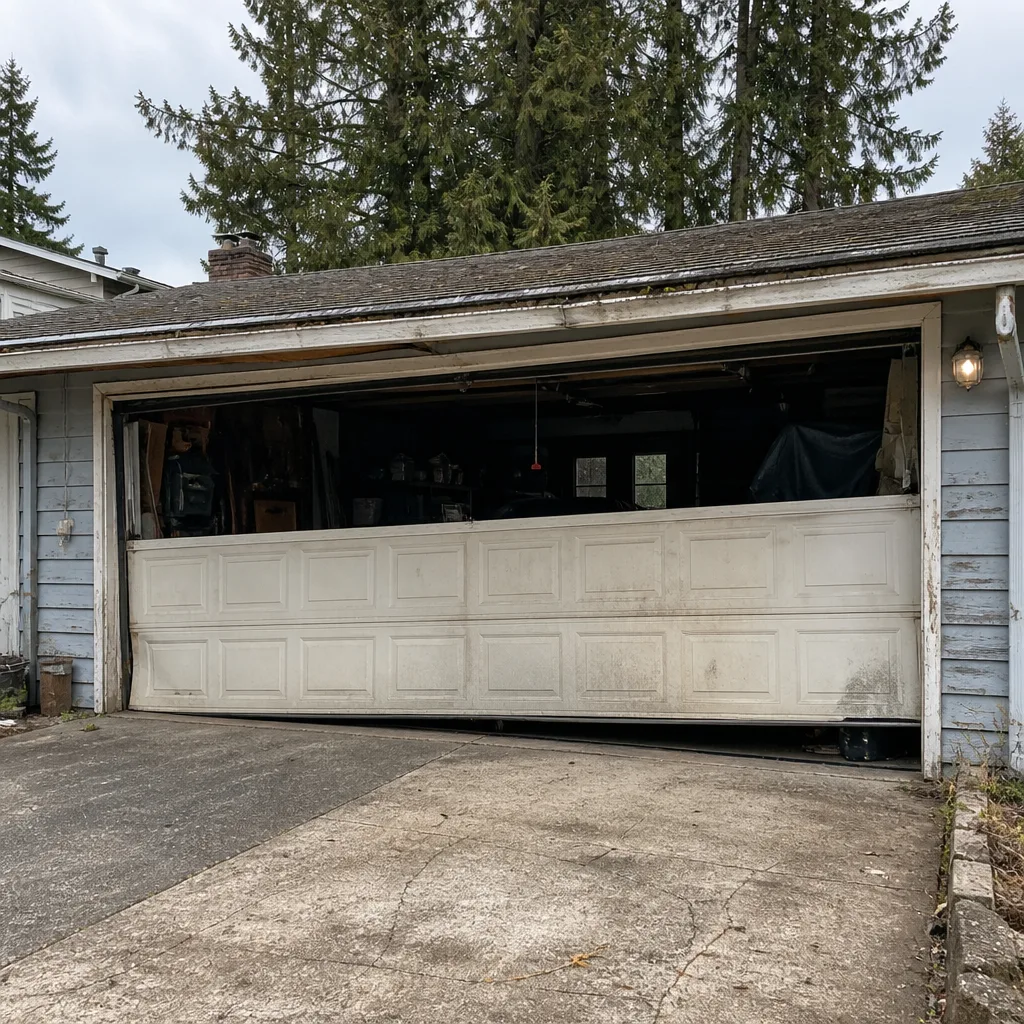 Before
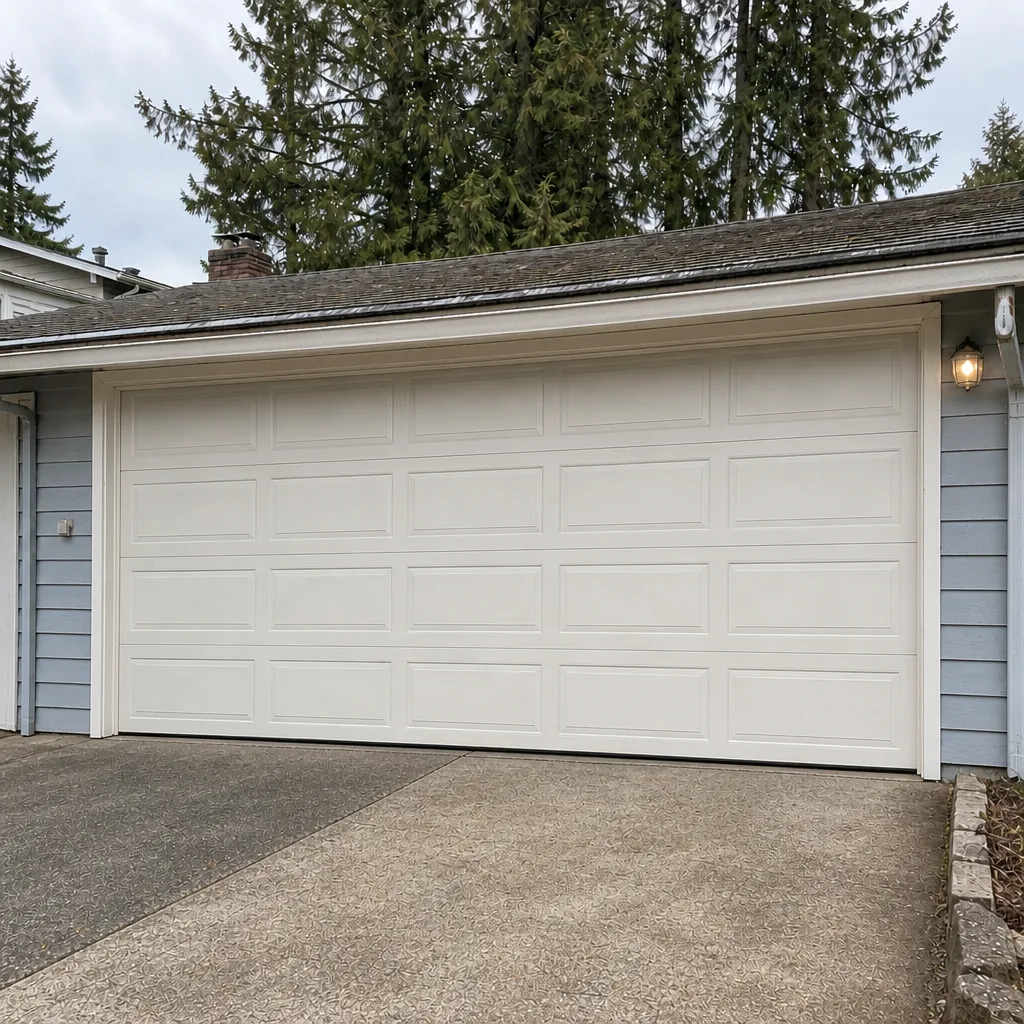 After
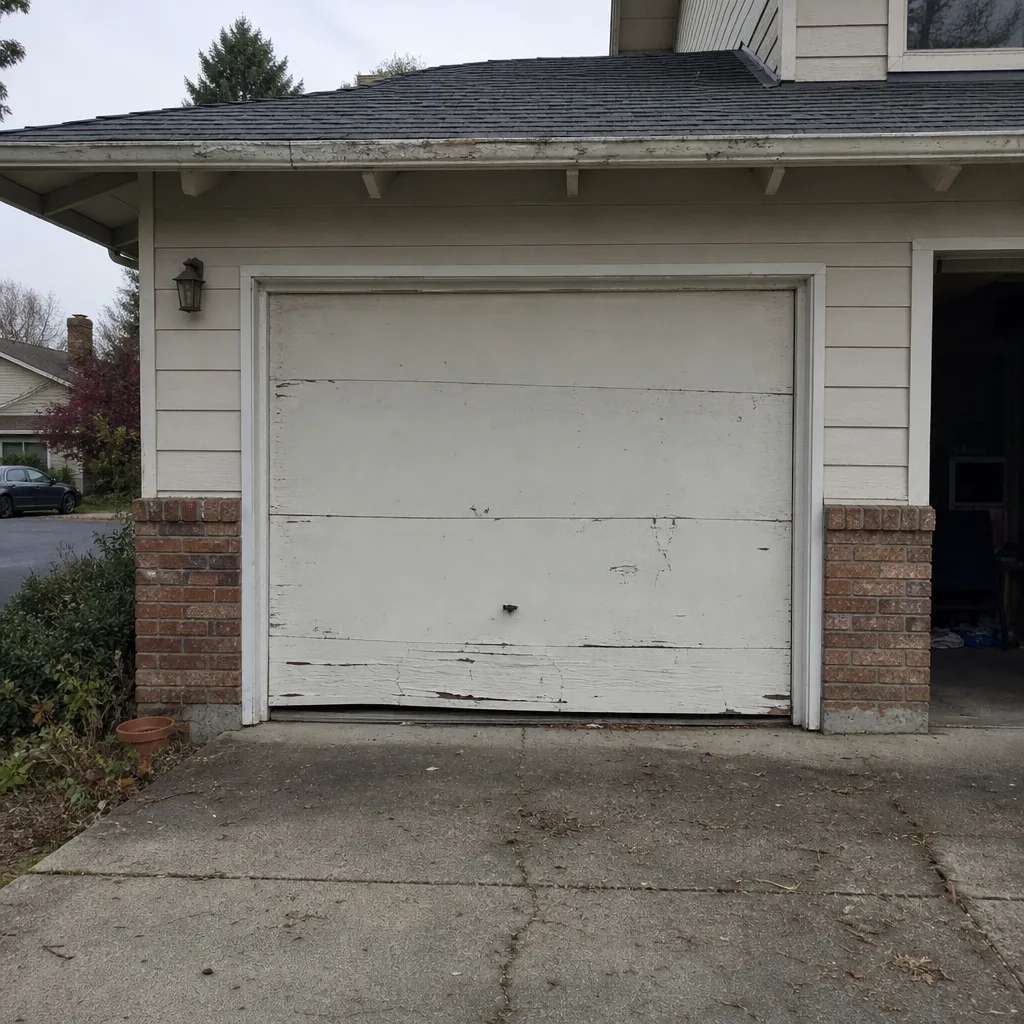 Before
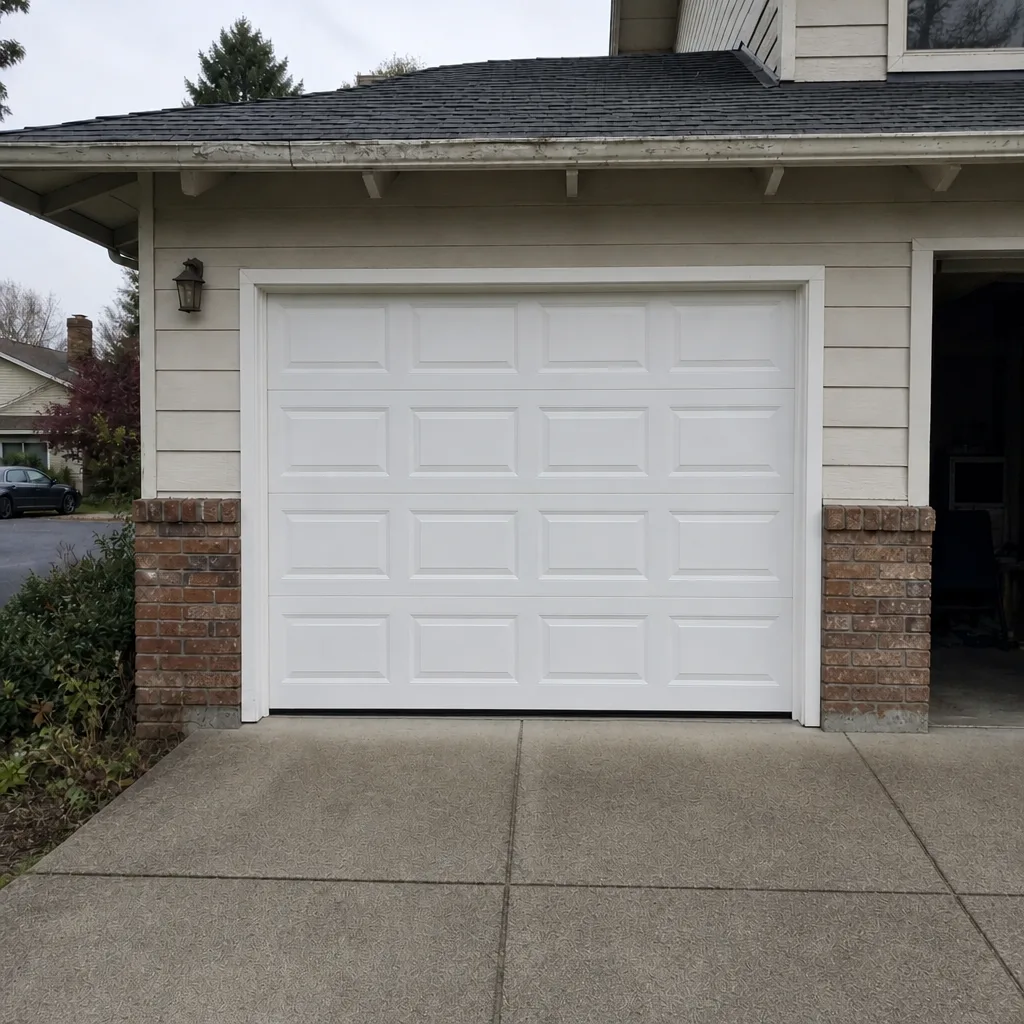 After
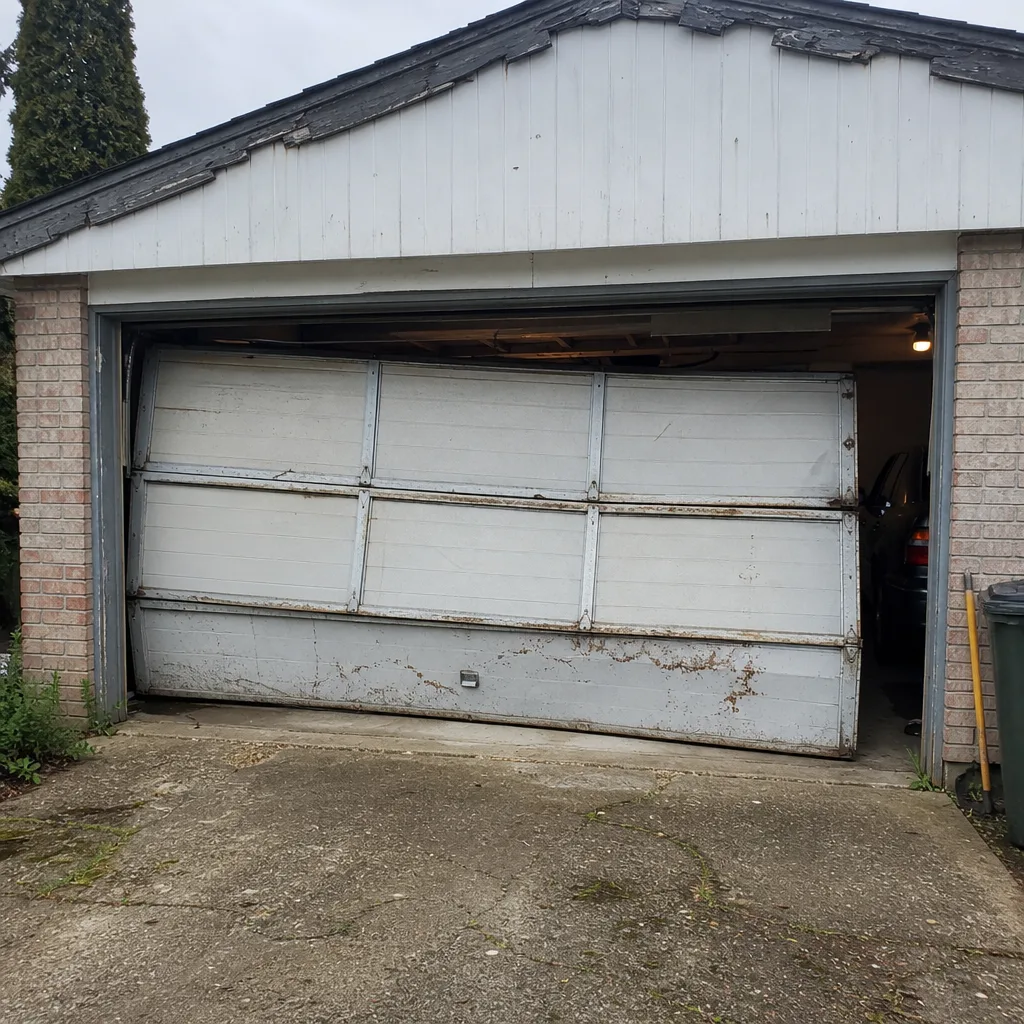 Before
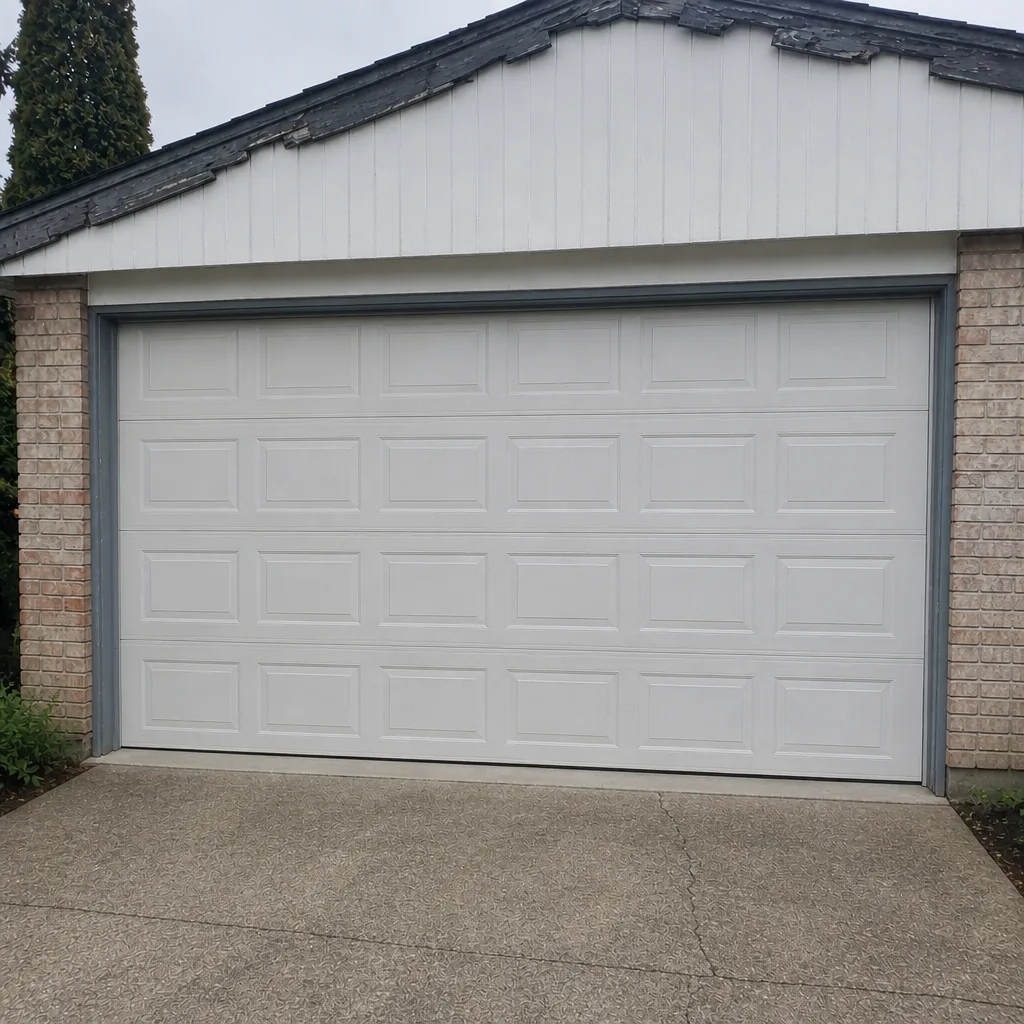 After
When to Call a Professional
A seasonal walk-around catches a lot, but some jobs call for a pro. Call us when the balance test fails, when a spring snaps or a door suddenly feels heavy, when the bottom section is rusting through rather than just spotting, or when the opener won’t reverse or has stopped responding entirely. Rough or scraping operation, a door that comes off its track, and a failed or jammed torsion spring all need hands-on diagnosis and repair. Our technicians have up to 8 years of experience, and we handle spring repair as a core service rather than sending it out. If the door is ready to be replaced rather than repaired, we handle that too, so nothing gets handed between vendors. Magnolia Garage Door Repair Pros offers free estimates in Magnolia – call (855) 337-1237 to book a visit or get a written price before any work begins. We’re closed on Saturdays, so weekend requests go to Sunday by arrangement.
Frequently Asked Questions
Early spring, right after the wet season ends, is the highest-priority maintenance window in Magnolia. That’s when seals that swelled with moisture begin to shrink and crack, and when rust and loose hardware from the damp months are easiest to catch before they worsen. A quick inspection and lubrication in spring prevents most of the problems that show up later. Call (855) 337-1237 for a free estimate if the check turns up anything that needs repair.
A basic maintenance visit is usually quoted per job, and the written estimate sets the price before any work starts. Price depends on the door type, the brand, and what the check turns up. We quote the job first and agree it with you before we begin, so there’s no surprise on the invoice. Call (855) 337-1237 for an exact quote – estimates are free.
Seals take on moisture through the wet winter, then contract and can crack as dry spring air arrives. The swelling-and-shrinking cycle stresses the rubber and vinyl more than a single cold snap would. This is exactly why spring inspection matters in Magnolia’s wet-mild-wet climate. If seals are already cracking, call (855) 337-1237 and we’ll quote a replacement.
They can. A garage-mounted opener sits in a space that warms up in summer, and some Wi-Fi units, including LiftMaster and Chamberlain models, get finicky when the electronics run warm, showing dropped connections or a lagging app. Check ventilation and mounting first before assuming the unit failed. If the opener still misbehaves, call (855) 337-1237 for a diagnosis – we repair both legacy and smart systems.
For most doors here, yes. Persistent damp through the wet months accelerates rust at the bottom section and hinges more than occasional cold does. Checking the bottom section and hardware each season, and treating small rust spots early, does more good than worrying about freeze protection. If rust has pitted the metal, call (855) 337-1237 for a repair quote.
You can safely do the visual checks, tests, and lubrication, but leave the springs to a trained technician. Torsion springs are under high tension, and adjusting them is how serious injuries happen. If the balance test fails or you hear a snap, keep your hands off and call (855) 337-1237. Our technicians handle spring repair as a core service.
The Bottom Line
Magnolia’s seasons don’t reward a generic maintenance guide. The pattern here is wet, then briefly dry, then wet again, and the care tasks that matter follow that rhythm. Focus your attention on early spring, when the transition from wet to dry is what cracks seals and exposes rust. Watch for UV wear, wood panel moisture, and smart-opener heat in summer. Prepare for damp, not freeze, in fall. Build a 15-minute seasonal walk-around and you’ll catch most issues before they become repair calls. When something needs hands-on attention, our team at Magnolia Garage Door Repair Pros is ready to help.
Call (855) 337-1237 for a free estimate on any repair, parts, or installation work on your garage door in Magnolia.
Written by the team at Magnolia Garage Door Repair Pros.