Last updated November 21, 2026
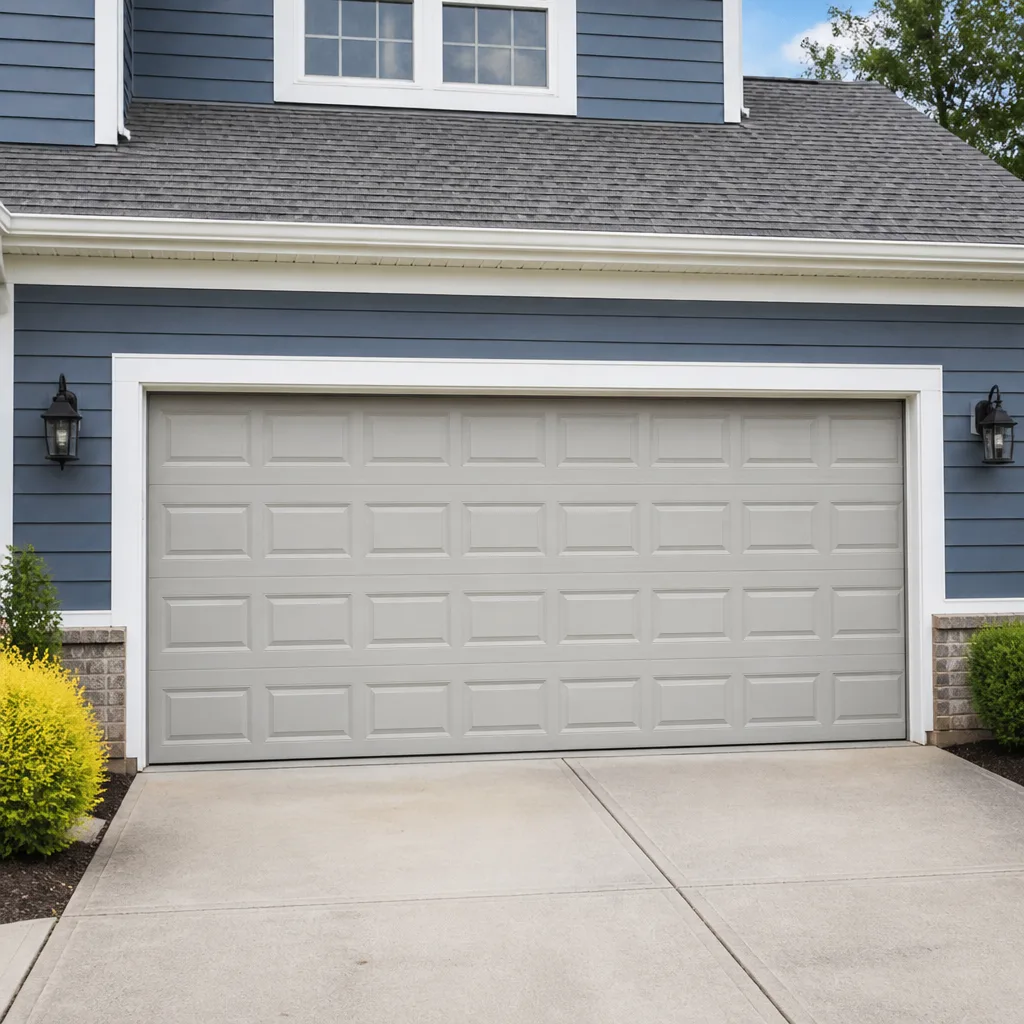 Raised-panel steel
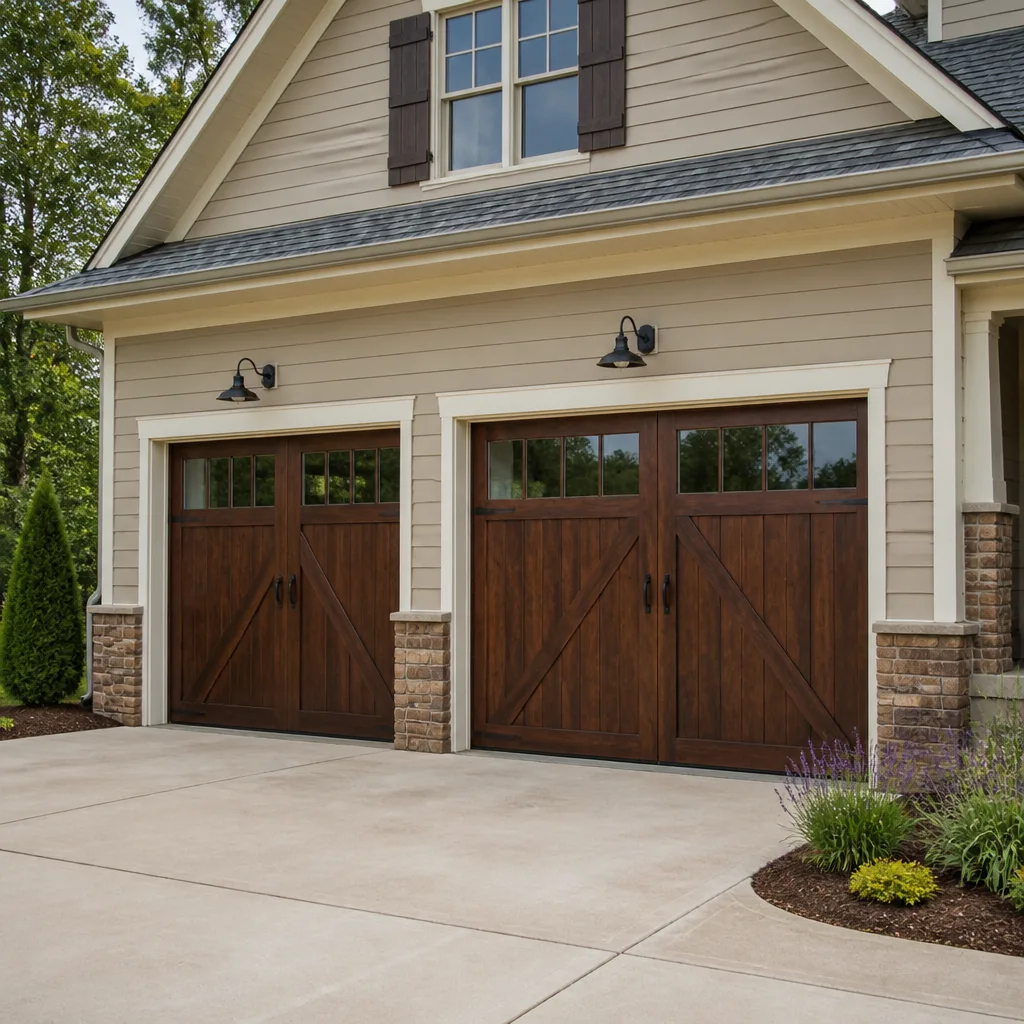 Carriage house
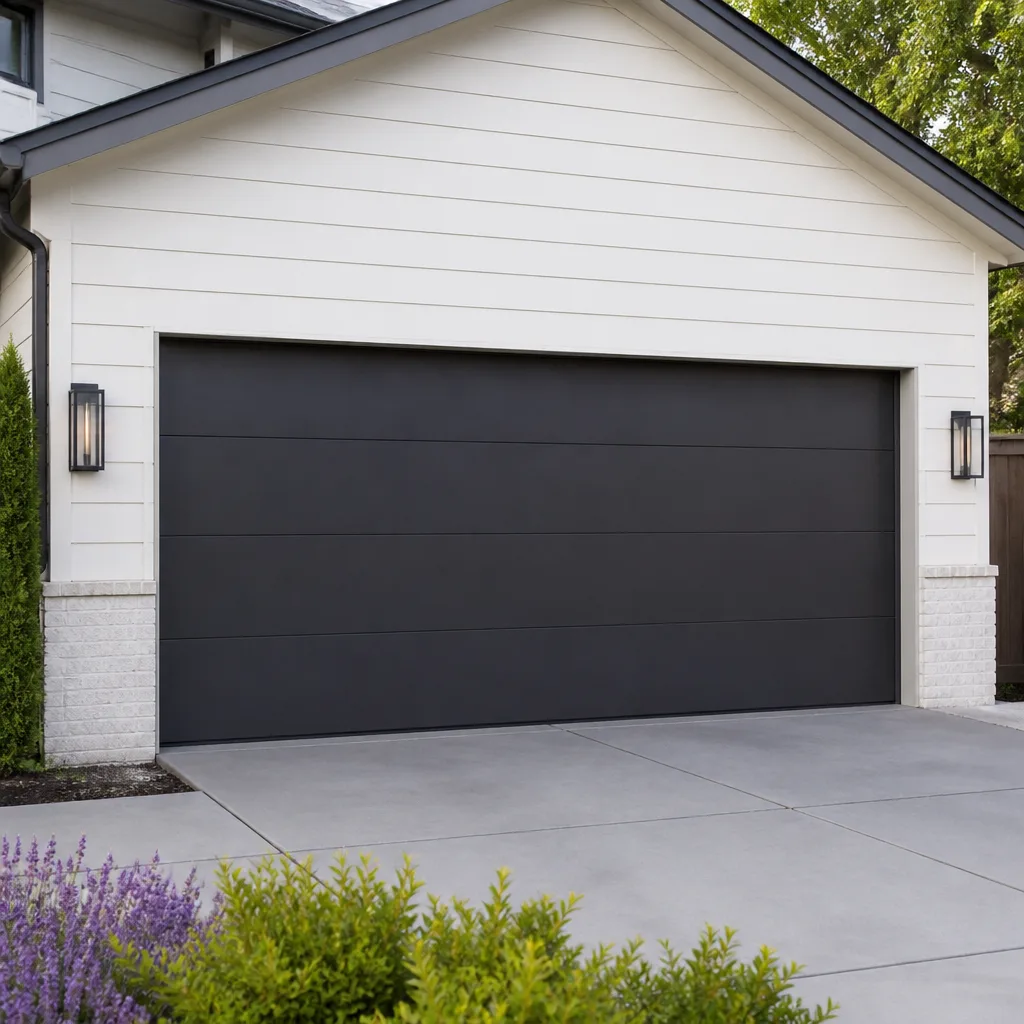 Modern flush
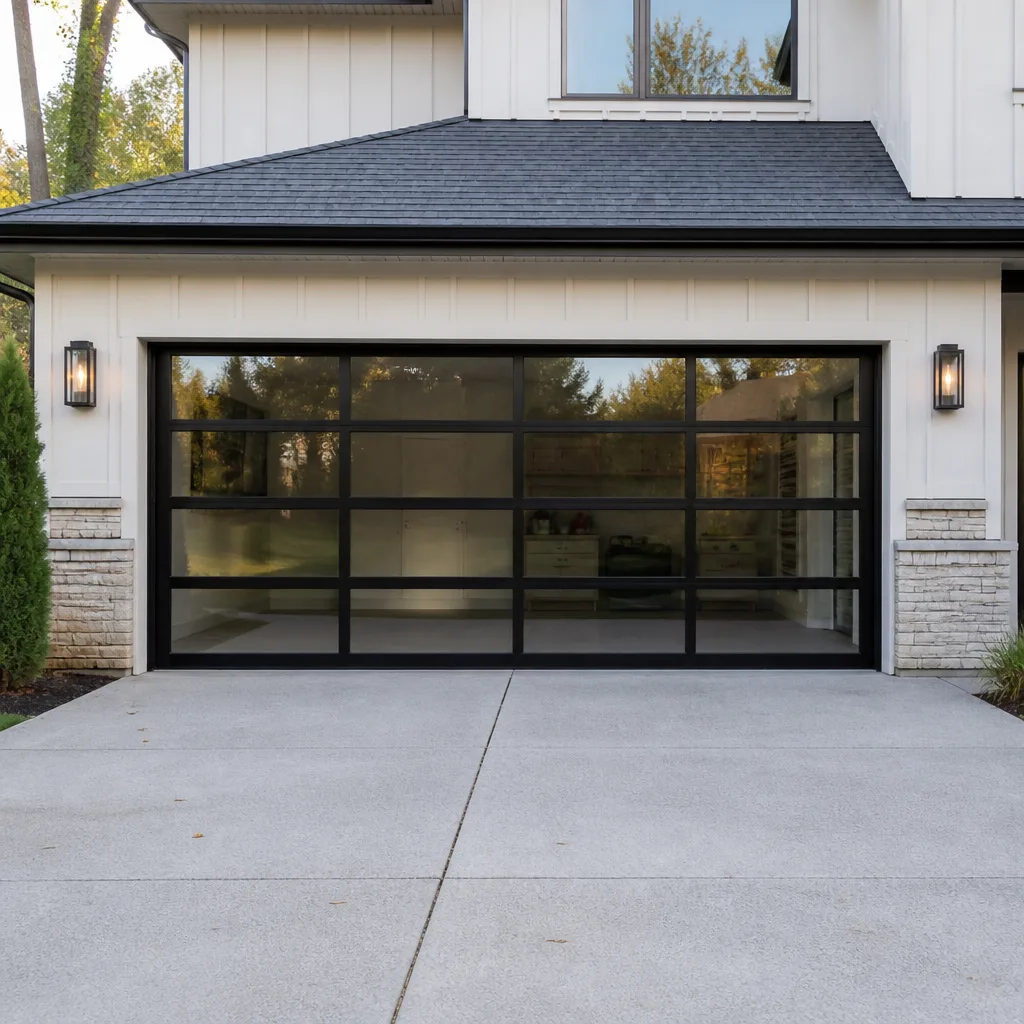 Full-view glass
 LiftMaster openers
 Chamberlain openers
Full 25-point door and opener safety check with every visit - springs, cables, rollers, tracks, and your LiftMaster or Chamberlain opener included
You get a price before we start. It does not change when the pro arrives.
Get your free estimateGarage Door Warning Signs: A Magnolia Homeowner’s Reference Guide
A garage door that reverses before it fully closes is not always a sensor problem. In Magnolia’s damp, marine-influenced air, it’s just as often a warped bottom seal pressing against the floor and creating false resistance – a small part fix that gets misdiagnosed as an opener logic board replacement. The door isn’t telling you the motor is dying. It’s telling you a piece of rubber has swollen and shifted. The trick is knowing which symptoms point to what, and how fast you need to act on each one. In this guide, we sort every common warning sign into three severity tiers, explain the sound and visual clues behind each, flag the misdiagnoses we see most often in Magnolia, and show you how a ten-second phone video can save you money before a technician ever pulls into the driveway.
Quick Answer
Garage door warning signs fall into three severity tiers: stop using the door immediately (broken spring, snapped cable, door off track, or a door that won’t reverse on contact), schedule a repair within a week (grinding or squealing, slow or jerky travel, opener straining, remote range shrinking), and monitor and document (occasional noise, minor seal gaps, intermittent reversing that self-corrects). Any sign that involves the torsion spring, the cables, or the safety reverse function needs professional attention before the door moves again. Everything else can usually be booked on a normal schedule – as long as you track it.
Styles & brands we work with
- Raised-panel steel
- Carriage house
- Modern flush
- Full-view glass
- LiftMaster openers
- Chamberlain openers
Table of Contents
- The Three Severity Tiers: What Needs Attention and When
- Tier 1: Stop Using the Door Now
- Tier 2: Schedule Repair Within a Week
- Tier 3: Monitor and Document
- Sound Diagnostics: What Each Noise Actually Means
- Visual Signs of Spring Wear You Can Spot From a Distance
- Magnolia Misdiagnosis Traps: When It’s Not the Opener
- The Documentation Habit: Why a 10-Second Video Saves Money
The Three Severity Tiers: What Needs Attention and When
Most warning-sign articles give you a list of symptoms with no hierarchy. That’s the missing piece. A door that squeals on the way up and a door with a snapped cable are both “warning signs,” but they need completely different responses. Here’s the classification we use when evaluating a door for a Magnolia homeowner.
Tier 1 – Stop using the door now. These involve structural or safety-critical failure. The door won’t move safely, or it moves but puts you or the door at real risk. A failed spring, a snapped cable, a door that has come off its track, a door that closes on an object without reversing, or a door hanging visibly crooked. Stop operating it, keep people and vehicles clear, and call for service.
Tier 2 – Schedule within a week. These are signs the door still works, but with increasing wear. Grinding, popping, squealing, sluggish travel, opener straining on the up cycle, remote or keypad range shrinking, or a door that reverses occasionally but not consistently. These need a scheduled visit, and the sooner the better – a Tier 2 symptom left alone long enough becomes a Tier 1 problem.
Tier 3 – Monitor and document. Cosmetic or intermittent signs with no functional degradation. Minor seal gaps, a dull thud at the close, a slightly misaligned photo-eye bracket, occasional noise that comes and goes with temperature or humidity. Log these, watch them, and bring the log to your next service visit.
The lines between tiers aren’t always obvious. A door that reverses every time is Tier 1 on the safety reverse test, but if it only reverses once or twice a month and self-corrects, that’s Tier 3 – until it isn’t. That’s where documentation comes in.
Tier 1: Stop Using the Door Now
If any of the following is happening on your garage door, stop operating it and keep it in place until a technician inspects it. Magnolia’s residential doors – whether an older Craftsman chain-drive unit or a newer LiftMaster smart-drive system – all share the same underlying torsion-spring and cable architecture, and all of them can hurt you when a component fails. This isn’t a case for “let’s see if it fixes itself.”
- A broken torsion spring. This is the most common Tier 1 failure. You’ll hear a loud bang from the garage (often mistaken for a car backfire or something falling), and the door becomes very heavy or won’t open at all. If you have a two-spring setup, one can fail while the other holds – which makes the door feel “sort of working.” Don’t drive it. A single surviving spring is now carrying double its designed load.
- A snapped or off-drum cable. A cable that’s come off the drum or broken entirely will leave the door hanging unevenly or unable to travel. This is a mechanical failure, not an adjustment issue.
- The door is visibly off-track. Look at the door from inside the garage. If it’s not plumb in the frame, or a roller has popped out of the track, don’t run the opener. Forcing it will bend panels or worse.
- The safety reverse fails. Every automatic garage door has a safety reverse mechanism: an object-detection test (usually via the photo-eye sensors near the floor) and a contact reverse test (the door reverses when it hits resistance on the way down). If your door closes on a test object without reversing, stop using it. This is a safety failure and needs same-day attention.
- A dull or heavy “thud” at the end of travel combined with a sagging door. This often signals a cable that’s slipped or a spring that’s lost most of its tension. It’s close to Tier 1 and worth treating as such.
For stuck doors and Tier 1 failures, call and we’ll book you at the earliest opening we have. We’re open Sunday through Friday, 7am to 7pm, and we’re closed Saturday – so if the door fails over the weekend, call and we’ll schedule you at the start of the week. Do not attempt to operate a door with a broken spring or cable, and do not try to lift it manually unless you’ve disconnected the opener and confirmed it’s safe to raise.
Tier 2: Schedule Repair Within a Week
Tier 2 signs mean the door is still usable, but something is wearing faster than it should. These are the symptoms most Magnolia homeowners sit on for a month or more, and they’re the ones that turn into a much bigger repair if you wait. Book a visit in the next week if you notice any of the following.
- Grinding during travel. Metal-on-metal grinding usually points to worn rollers, dry hinges, or a torsion tube that needs lubrication. It’s a wear symptom, not an emergency, but prolonged grinding scores the track and accelerates roller wear.
- Squealing or high-pitched noise. This is almost always dry rollers, hinges, or a torsion spring that wants lubrication. In Magnolia, the combination of humidity swings and temperature change makes this show up more often than in drier climates – the lubricant film breaks down and exposes the metal.
- Popping sounds. A single pop at the end of travel can be a panel flexing or a hinge moving. Repeated popping during travel points to track misalignment or a roller that’s walking out of its bracket.
- Opener straining on the up cycle. You’ll hear the motor change pitch and labor harder. On most opener configurations this means the door is heavier than the opener is designed for – usually because a spring has lost tension or a cable is binding. Left alone, the opener gear or logic board takes the wear.
- Slow, jerky, or uneven travel. If the door moves in fits and starts instead of gliding, something is binding. Often it’s a roller or a slightly bent track. Address it before a full binding jams the door mid-cycle.
- Remote or keypad range shrinks. A remote that used to trigger from the end of the block now only works from ten feet away usually has a weak battery – but if the battery is new and the range stays short, the logic board or antenna connection is the culprit.
- The door reverses occasionally on its own. This is the Magnolia signature move. When a bottom seal warps from humidity, it can press on the floor and create false resistance on the close cycle. The opener sees resistance and reverses, even though nothing’s actually in the way.
Tier 3: Monitor and Document
Tier 3 signs don’t need a service call today. They need a log. These are the symptoms that come and go with temperature, humidity, or time of day, and the fastest way to diagnose them is to have a record of when they occur. Magnolia’s marine-influenced humidity swings – cool nights, warmer afternoons – move metal and rubber just enough to produce intermittent symptoms that a technician can’t reproduce during a visit.
What belongs in Tier 3:
- A single quiet thud or tick at the end of travel that doesn’t worsen.
- A bottom seal with a visible gap in one spot that doesn’t affect safety reverse.
- An occasional squeak that appears on damp mornings and disappears by noon.
- A photo-eye bracket that’s slightly out of alignment but still triggers reliably.
- A remote that occasionally needs a second press.
- A door that reverses once a month when the temperature drops, but performs normally the rest of the time.
Document these with a short video, note when they occur (time of day, weather, how long since the last cycle), and bring the record to your next service visit. We’d rather look at a short clip of a symptom than chase a noise that isn’t currently happening. It’s also a reason to schedule a maintenance-tune visit even when everything feels fine: the wear that produces Tier 3 symptoms is easier and cheaper to address before it crosses into Tier 2.
Sound Diagnostics: What Each Noise Actually Means
The sound a door makes is one of the best diagnostic tools a homeowner has, because it changes before anything visible does. Here’s what the four most common Magnolia door and opener noises tend to indicate – and whether the symptom belongs to the door hardware, the opener, or the track.
Grinding
Grinding is a metal-on-metal sound that shows up during travel. On a chain-drive opener (common on older Craftsman setups), grinding can point to a stretched chain, a dry rail, or worn sprocket teeth. On a belt-drive or smart-drive unit from LiftMaster or Chamberlain, grinding is usually in the door hardware rather than the motor – worn nylon rollers, dry hinges, or a torsion tube in need of lubrication. If the grinding is coming from the top of the door near the spring shaft, have it looked at sooner rather than later; the spring assembly is not a DIY zone.
Popping
Popping comes in two kinds. A single pop at the start or end of travel is often a panel or hinge settling. Repeated popping during travel usually means a track that’s slightly bent or a roller that’s lifting out of its bracket as it passes a specific spot. On Wayne Dalton doors with proprietary track systems, popping can also be a symptom of the internal torsion system needing adjustment. If the popping coincides with the door jerking, treat it as Tier 2.
Squealing
Squealing is a friction sound: dry rollers, dry hinges, dry torsion springs. It’s the most benign of the four – usually Tier 2 or Tier 3, depending on frequency. In Magnolia, squealing tends to appear after a stretch of dry weather and settle down once humidity returns, which is exactly the pattern that makes homeowners think it’s “gone away.” It hasn’t. It’s just quieter. Keep lubricating parts on the maintenance schedule.
Banging
A sharp bang from the garage – the kind that sounds like something heavy falling – is the classic broken torsion spring sound. Banging during travel, on the other hand, often means a loose panel bolt, a hinge that’s coming loose, or a door that’s striking an obstruction. If the bang is followed by the door becoming heavy, hard to lift, or refusing to open, call for same-day service. Don’t run the opener to see what happens.
Visual Signs of Spring Wear You Can Spot From a Distance
You can learn a lot about a torsion spring’s condition by looking at it from six feet away. You cannot learn anything safe by touching it. Torsion springs are under enough tension to cause serious injury when they release, and there’s no safe way for a homeowner to inspect one up close, remove one, or adjust one. The following observations are all done with the door down and the power off, from a safe distance, without tools.
- Evenness of the coil. A healthy torsion spring should have a tight, consistent coil with no visible gaps. A fatigued spring often develops small gaps between coils – a sign the wire has begun to lose tension.
- A visible winding mark or crack. Look at the coils near the ends. If you see a hairline crack, a section of discolored metal, or a spot where the coil has separated, the spring is in trouble.
- One spring sagging on a two-spring setup. If your door has two torsion springs and one appears to sit differently from the other – darker, less tightly wound, or physically lower – assume it has failed or is failing and stop using the door.
- An obvious gap between windings. A brand-new spring has coils nearly touching. A spring with visible space between every coil is closer to the end of its life than a spring with tight coils.
- Bent or angled spring out of the torsion shaft. If the spring looks like it’s no longer centered on its shaft, the winding cone or the shaft itself may have shifted. That’s a Tier 1 condition.
What a fatigued spring looks like versus a failed one: a fatigued spring still has most of its shape but has begun to lose tension – the door feels heavier than it did six months ago, and the opener strains on the up cycle. A failed spring is visibly separated, snapped, or hanging around the torsion bar. The first is Tier 2, the second is Tier 1. Neither is a fix you can safely perform yourself. If you see any of these signs on your Magnolia home, call us and we’ll assess the spring and the door in the same visit – spring repair is a core service we handle ourselves, not a service we refer out.
Magnolia Misdiagnosis Traps: When It’s Not the Opener
The most expensive garage door mistake isn’t a broken part. It’s a misdiagnosis – paying to replace the opener when the problem was in the door hardware, or replacing a whole door when a single panel or a bottom seal would have fixed it. These are the traps we see most often on Magnolia homes, especially where the opener is a LiftMaster, Chamberlain, Genie, or Craftsman unit with a well-documented behavior pattern.
Door reverses before fully closing → “the opener is failing”
More often, the door reverses because it’s meeting resistance. In Magnolia’s humidity, the most common source is a bottom seal that has warped or swelled against the floor. It’s a small part replacement. Replacing the logic board on the opener won’t fix a warped seal. Before assuming the opener is at fault, disconnect the door from the opener (pull the release handle with the door down) and lift the door by hand. If it feels heavy or binds, the problem is in the door, not the motor.
Door opens a few inches and stops → “the opener motor has burned out”
On many opener configurations, a door that opens a few inches and stops is doing exactly what it’s supposed to do when it senses resistance. The travel limit or force setting may be off, or the door may be binding. In many cases, the opener is fine and the door hardware needs adjustment. A proper diagnostic should test the door separately from the opener before recommending either.
Remote range has shrunk → “the opener is failing”
Nine times out of ten, it’s a battery. If the battery is new and the range is still short, the antenna connection or the logic board may be at fault. But the sequence matters: battery first, then antenna, then board. Don’t start with the most expensive part.
Door is noisy → “the opener is going bad”
Noise usually traces to the door hardware, not the opener – dry rollers, dry hinges, worn nylon, or a track that’s slightly out of alignment. A chain-drive Craftsman opener will always be noisier than a belt-drive LiftMaster, but a sudden increase in noise is about the door, not the drive type. Lubrication and hardware adjustment usually solve it, and swapping the opener rarely does.
Reverses on contact as designed → “something is wrong with the safety reverse”
The safety reverse system is designed to reverse on contact. The test is whether it reverses on contact, not whether it does it “too easily.” Some homeowners mistake the reverse function for a fault. It’s usually working correctly – unless it’s failing to reverse at all, which is a different problem and a Tier 1 concern.
Doors built by Amarr, Clopay, Wayne Dalton, and Raynor each have their own hardware quirks, especially around bottom seals and panel construction. A technician who works across those brands quickly recognizes the difference between an opener fault and a door-hardware fault. That’s the diagnostic benefit of multi-brand service – we repair LiftMaster, Chamberlain, Genie, Craftsman, and the common door brands with the same attention to the specific system installed on your home.
The Documentation Habit: Why a 10-Second Video Saves Money
Intermittent symptoms are the hardest thing to diagnose in a garage. The door groans twice a week, then behaves for three days straight. You call for a visit, the technician arrives, and the door runs perfectly. This is where a 10-second phone video changes the outcome. Before you call, grab your phone, prop it up so it sees the door and the opener, and run the door through a full cycle. If the symptom appears – capture it. If it doesn’t, don’t worry about it. Capture it next time.
Here’s why it works:
- It shows the exact point in the cycle where the problem occurs. “It makes a noise” tells a technician almost nothing. A video of a popping sound at 40% travel tells them everything.
- It preserves the sound. Video captures the pitch and cadence of grinding, squealing, and banging – all of which are diagnostic.
- It eliminates a return trip. A technician can often identify the part needed before arriving and, in many cases, fix it in a single visit.
- It gives you a timeline. Two videos taken two weeks apart show whether a symptom is worsening. That’s real data, not a memory.
- It demystifies the symptom. Sometimes the video shows the problem is trivial – a roller brushing a stored item, or a door brushing a weather-strip. That saves you the cost of a service call entirely.
We strongly recommend this habit, especially in Magnolia where humidity-driven symptoms come and go with the weather. It costs nothing and it makes every service visit more precise. For a wider picture of the repair options we handle, see our garage door repair page.
Common Mistakes to Avoid
- Running a door with a broken spring. The opener isn’t designed to lift the door’s full weight. Continuing to run it strips the gear, burns out the motor, or snaps a cable. Stop using the door and book service.
- Assuming “reverses on its own” always means a bad opener. In Magnolia’s humidity, a warped bottom seal is the more common cause. Test the door by hand before paying for an opener diagnosis.
- Touching the torsion spring to “test” it. The spring is under tension and can release with enough force to cause serious injury. Observe from a distance. Never adjust, wind, or remove a spring yourself.
- Ignoring a single click or thud. Tier 3 symptoms are how Tier 2 problems start. Log them, and bring the log to your next service visit.
- Replacing the door when a repair will do. A single dented panel, one bad roller, or a bottom seal can look much worse than it is. Get a diagnostic first, not a replacement quote.
- Forgetting to lubricate. Squealing and grinding in Magnolia doors are often a lubrication problem, not a hardware failure. Routine maintenance prevents both.
- Not taking a video of the intermittent symptom. “It makes a noise sometimes” makes a diagnosis harder and more expensive than a 10-second clip.
See the difference
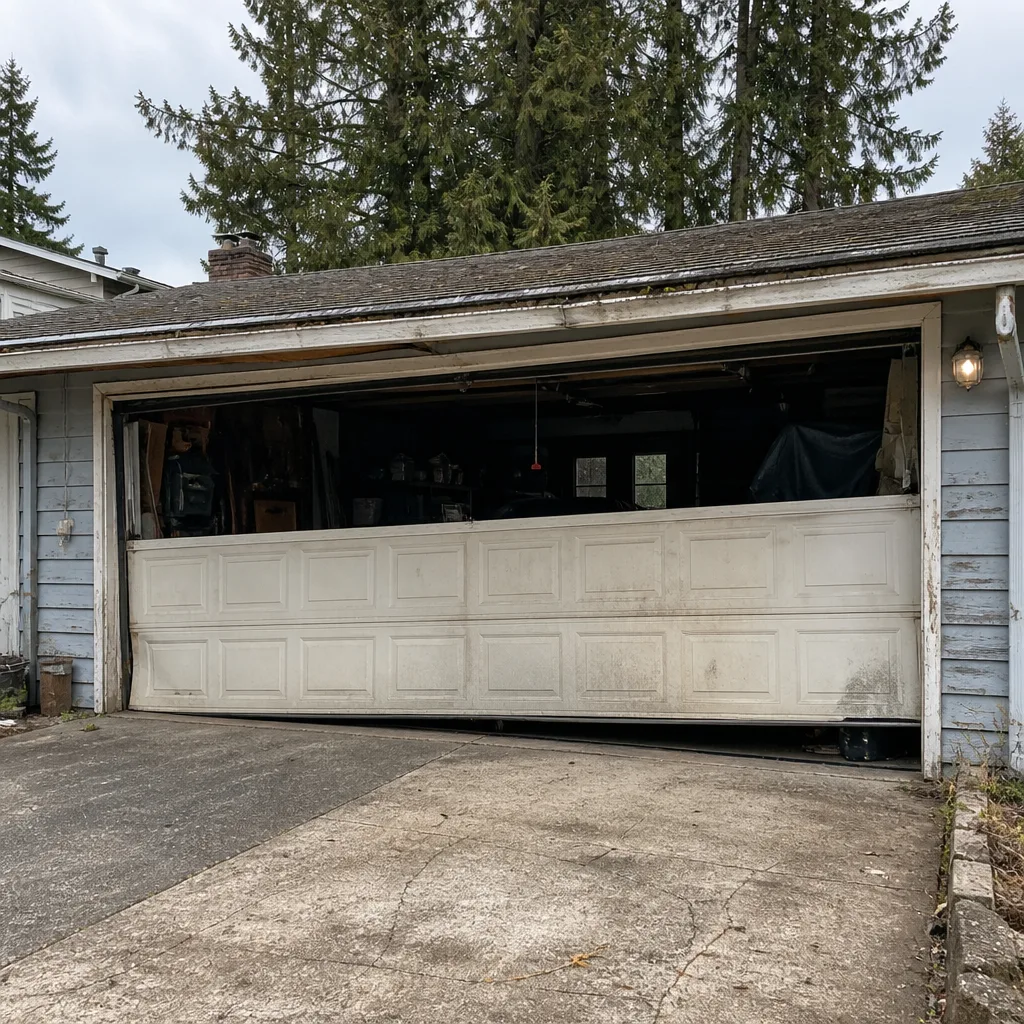 Before
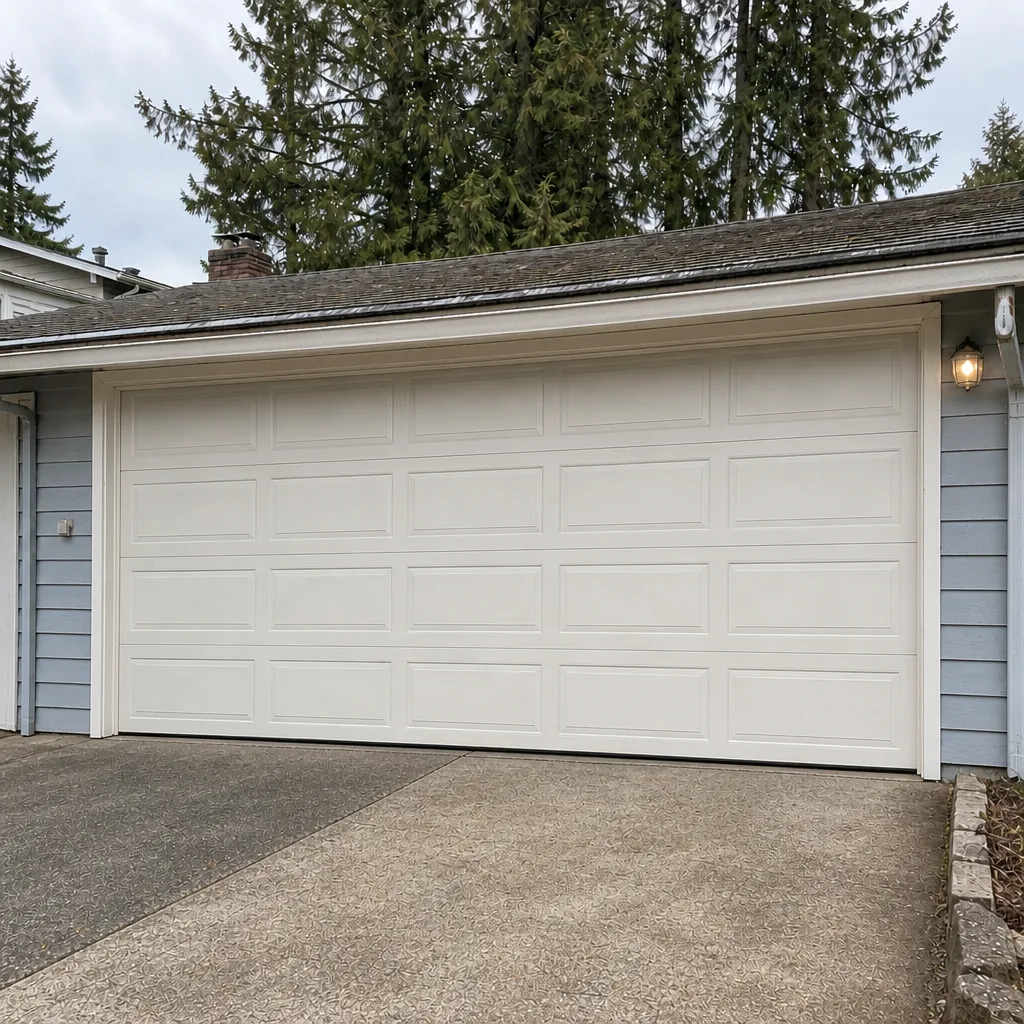 After
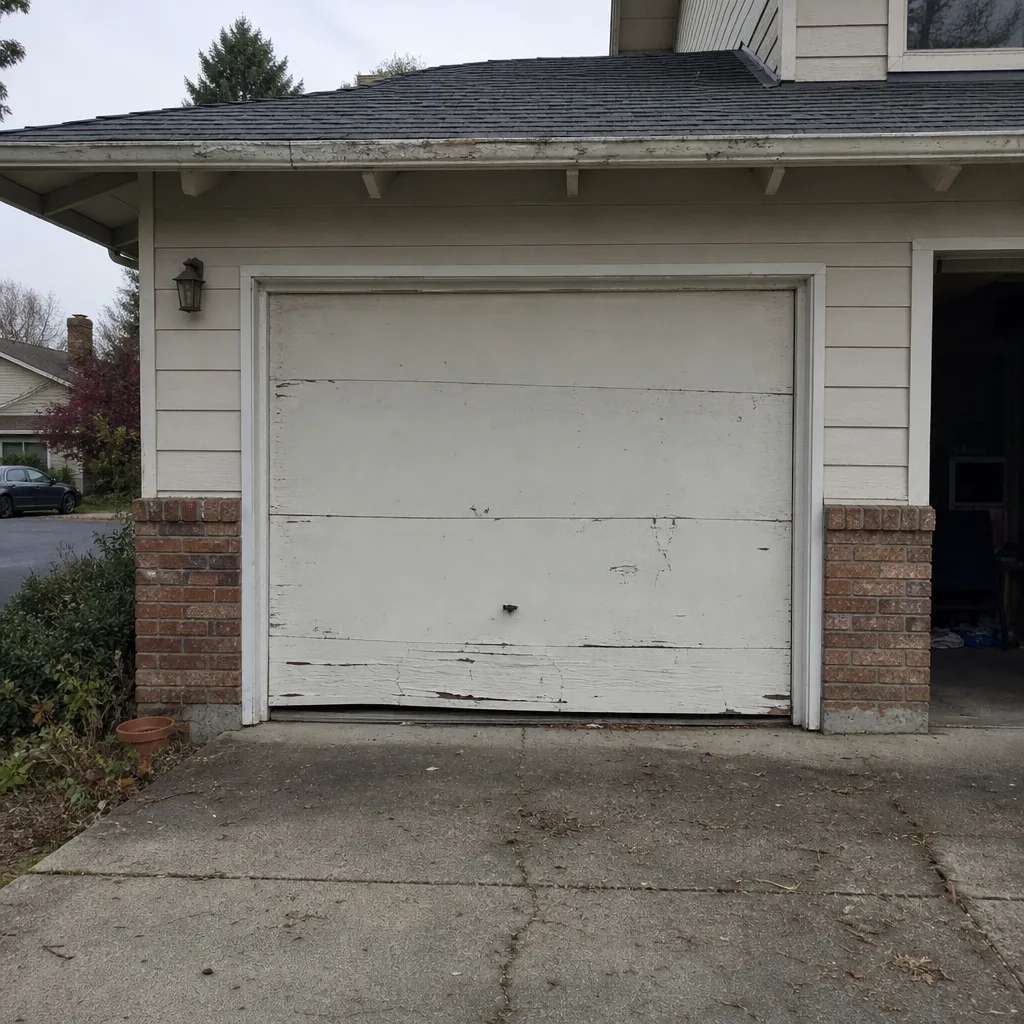 Before
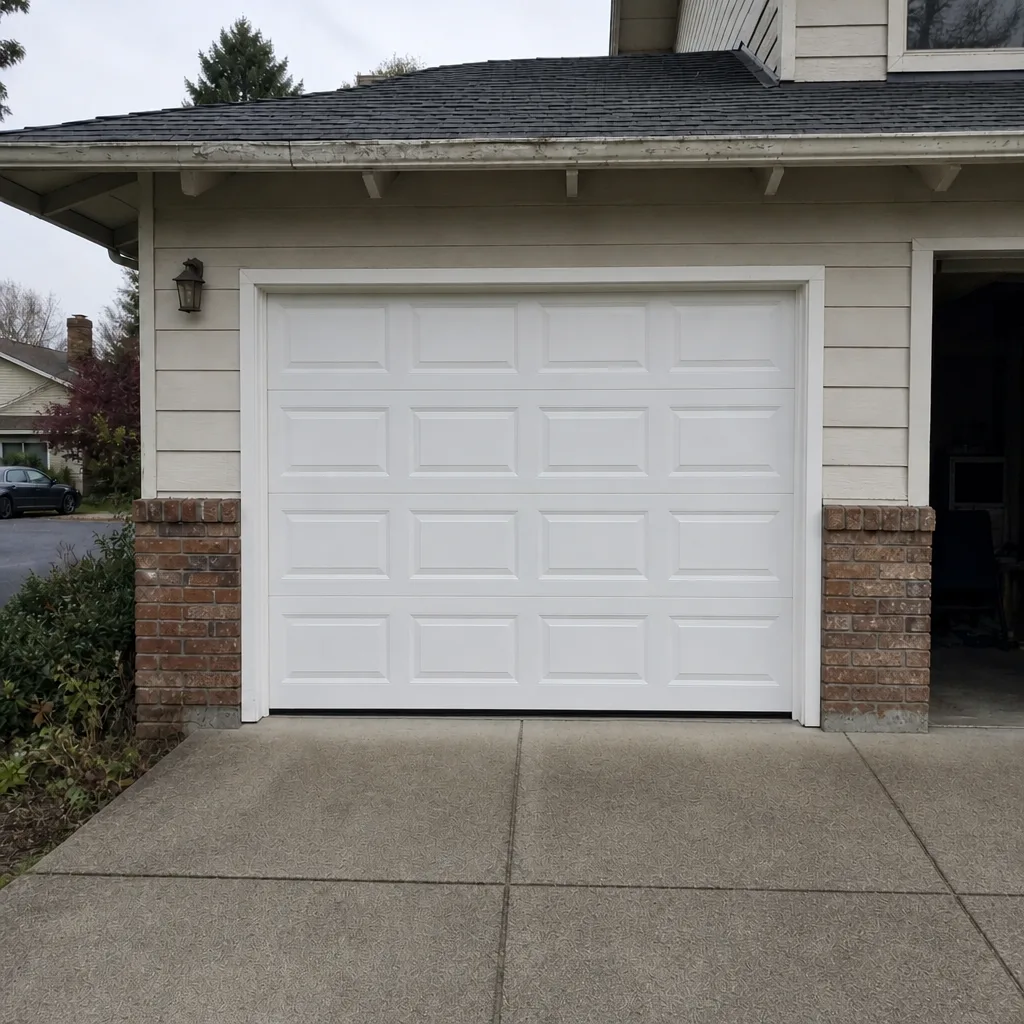 After
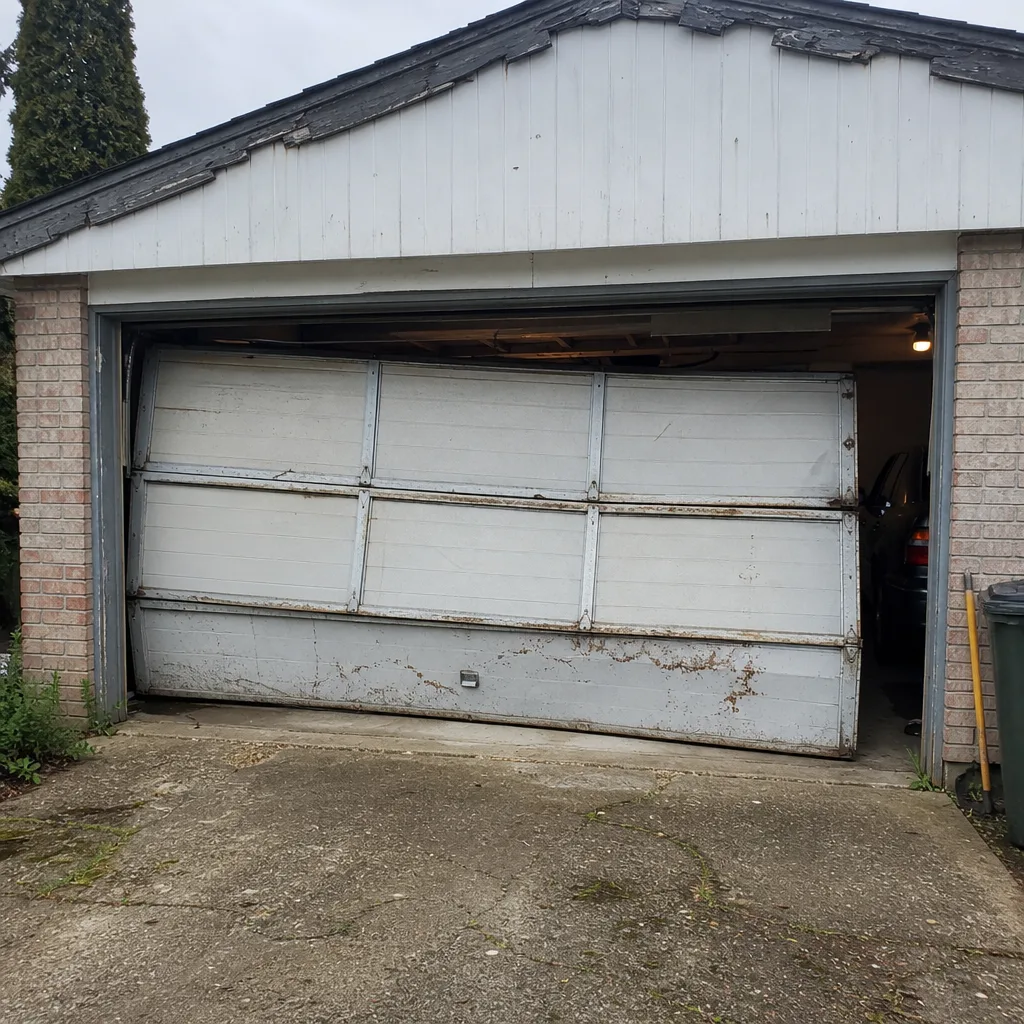 Before
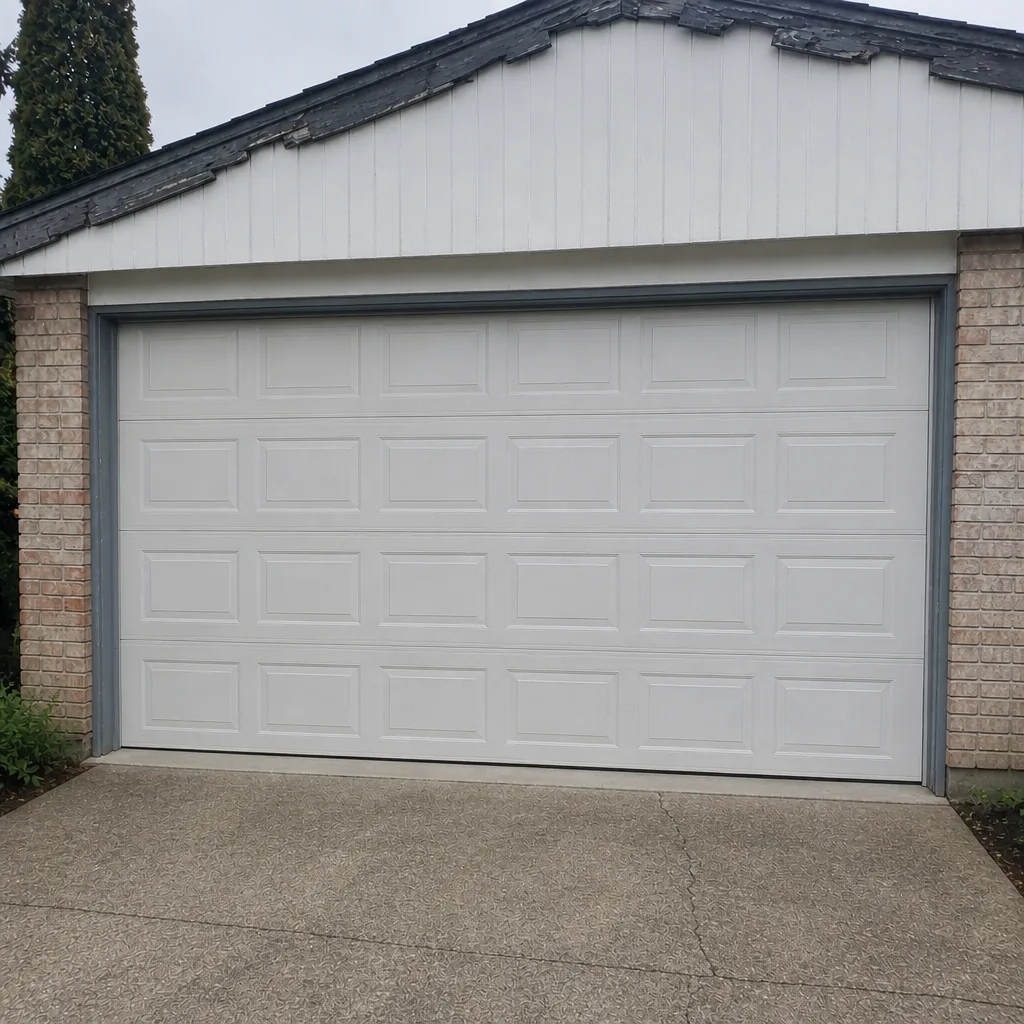 After
When to Call a Professional
Call a professional if any of the following is happening on your Magnolia door: a broken or visibly deformed torsion spring, a snapped cable, a door that’s off track, a door that fails the safety reverse test, a door that won’t open or close, or an opener that’s straining, smoking, or has stopped responding entirely. Those are Tier 1 conditions and they need same-day attention – not a “let’s see how it goes” week. For Tier 2 symptoms like consistent grinding, squealing, or a door that reverses occasionally, schedule a visit in the next several days. And for intermittent symptoms that come and go, keep logging them and bring the log when you’re ready for a service call.
Magnolia Garage Door Repair Pros offers free estimates in Magnolia – call (855) 337-1237. We handle spring repair, opener repair, general repair, installation, and parts, so whatever your diagnosis turns out to be, the fix stays with one company. That includes the diagnostic side of the visit: an opener problem gets looked at as an opener problem, and a door-hardware problem gets looked at as a door-hardware problem, not the other way around. You get a clear tier diagnosis, a written price before work begins, and no surprise invoice when the job is done. If you’ve been putting off a call because you’re not sure what you’re hearing, a short phone conversation is enough to sort it – most symptoms tier themselves in under a minute of description.
Frequently Asked Questions
A broken torsion spring or a snapped cable is the most urgent warning sign – the door can become dangerously heavy, drop unexpectedly, or damage the opener on the next cycle. Other Tier 1 signs include a door that’s come off its track and a door that fails the safety reverse test. If any of these is happening, stop using the door and call (855) 337-1237 for service.
Not necessarily. In Magnolia’s humidity, the most common cause is a warped or swollen bottom seal creating false resistance on the close cycle. The fix is often a small part replacement rather than an opener repair – which is why we test the door by hand before diagnosing the opener. Call (855) 337-1237 to schedule an assessment.
Spring repair pricing depends on whether the door has one spring or a matched pair, the spring size, and whether the door also needs roller, hinge, or cable service at the same time. We give a written, itemized estimate before any work starts – so you know the total before we open the toolbox. Call (855) 337-1237 for a free estimate.
Yes – the local pro is licensed and insured as their state requires. Our technicians have up to 8 years of experience and handle spring repair in-house, which many general contractors won’t take on. Call (855) 337-1237 to discuss your door.
For stuck doors and Tier 1 failures, call and we’ll book you at the earliest opening we have. We’re open Sunday through Friday, 7am to 7pm, and we’re closed Saturday. Call (855) 337-1237 for same-day availability.
Screeching usually means dry rollers, hinges, or torsion springs that need lubrication. It’s a Tier 2 or Tier 3 symptom in most cases, not an immediate failure – but it’s worth acting on before the wear accelerates. Call (855) 337-1237 to schedule a service visit.
The Bottom Line
Every warning sign on a garage door falls into one of three tiers: stop using the door, schedule within a week, or monitor and document. Broken springs, snapped cables, off-track doors, and failed safety reverse are the stop-now category. Grinding, squealing, slow travel, and consistent reversing are the schedule-this-week category. Intermittent noise, small seals, and symptom-that-come-and-go are the monitor category – and they’re the ones a ten-second video makes manageable. For Magnolia homeowners, the extra wrinkle is that humidity regularly disguises small door-hardware problems as opener failures, which is exactly the misdiagnosis a repair-first approach avoids. Document what you see, know your tier, and call when the symptoms cross it. For a complete service picture, including garage door opener repair and new garage door installation, the team at Magnolia Garage Door Repair Pros is a phone call away.
If something on your door has moved from “monitor” to “schedule,” call Magnolia Garage Door Repair Pros at (855) 337-1237 for a free estimate. We’ll assess the door, the opener, and the hardware in a single visit – and give you a written price before any work begins.
Written by the team at Magnolia Garage Door Repair Pros.