Last updated November 21, 2026
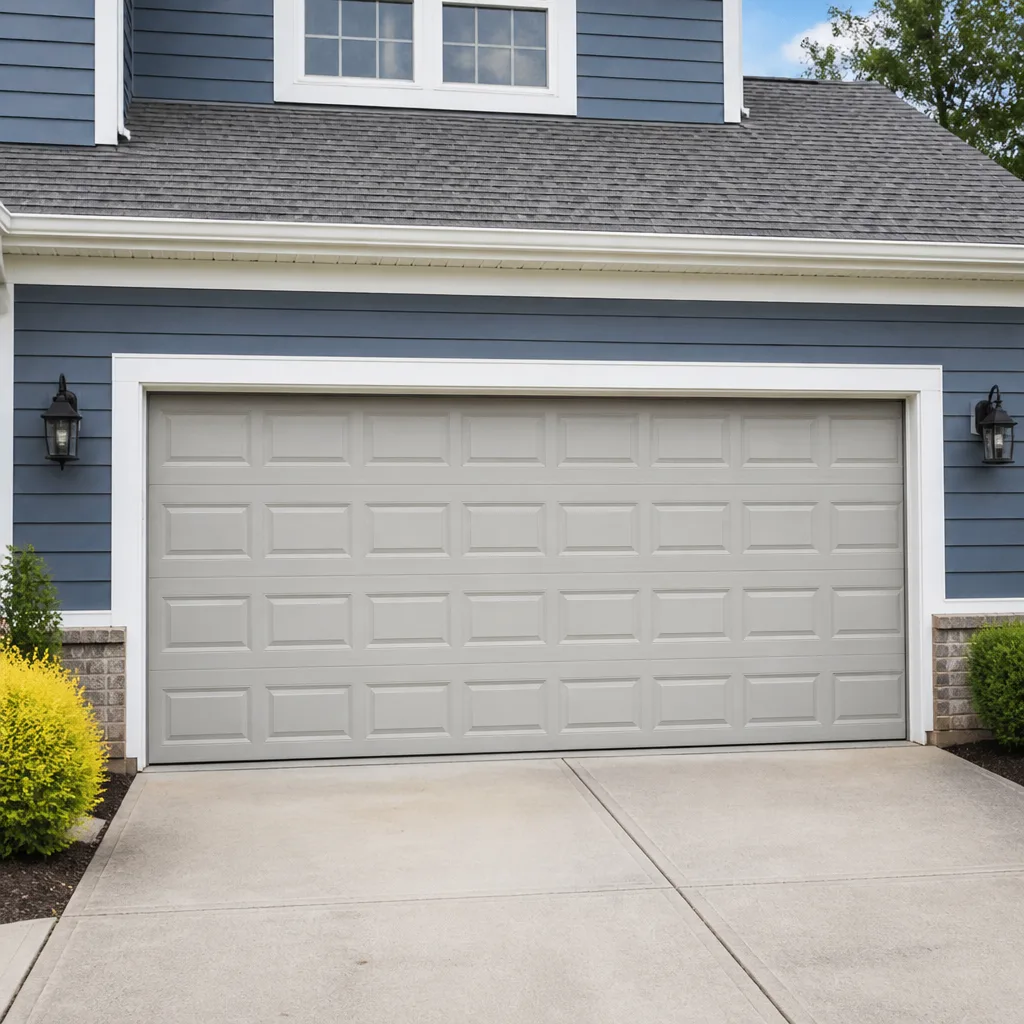 Raised-panel steel
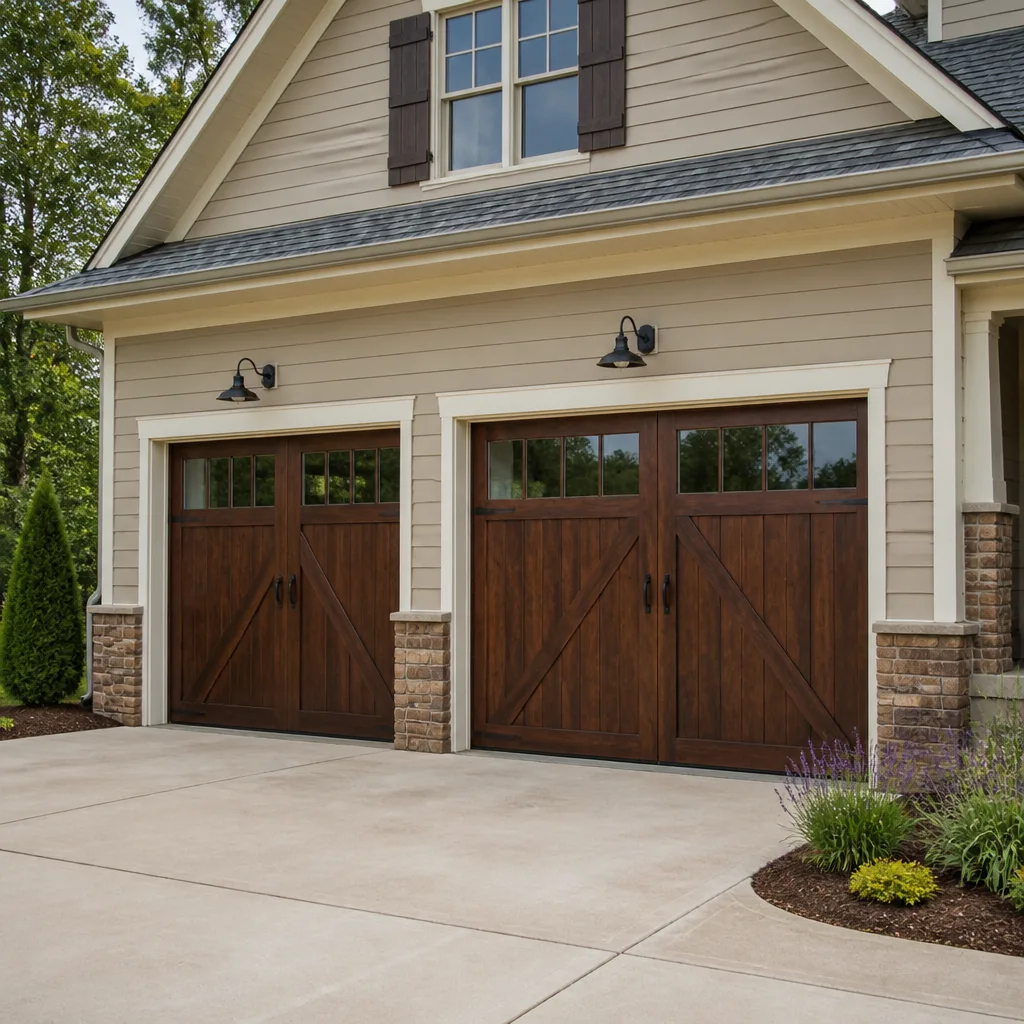 Carriage house
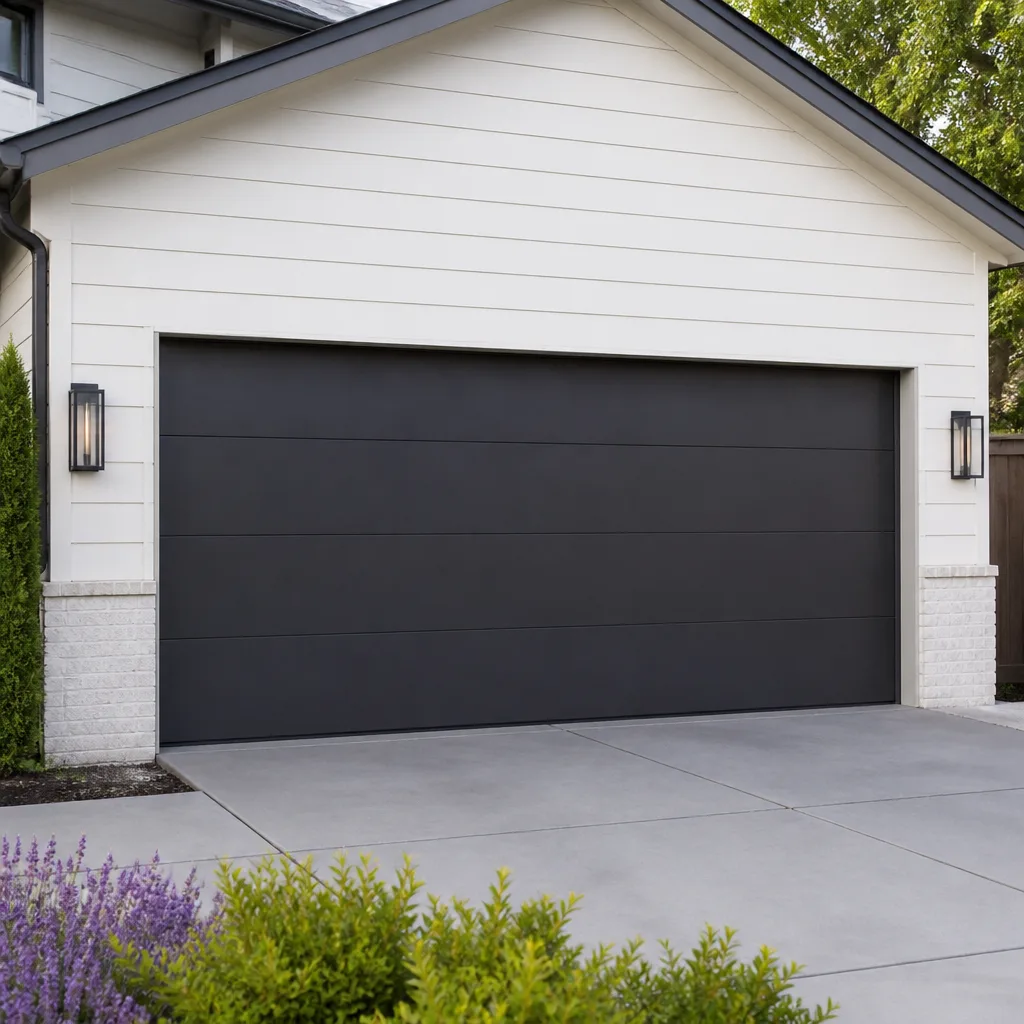 Modern flush
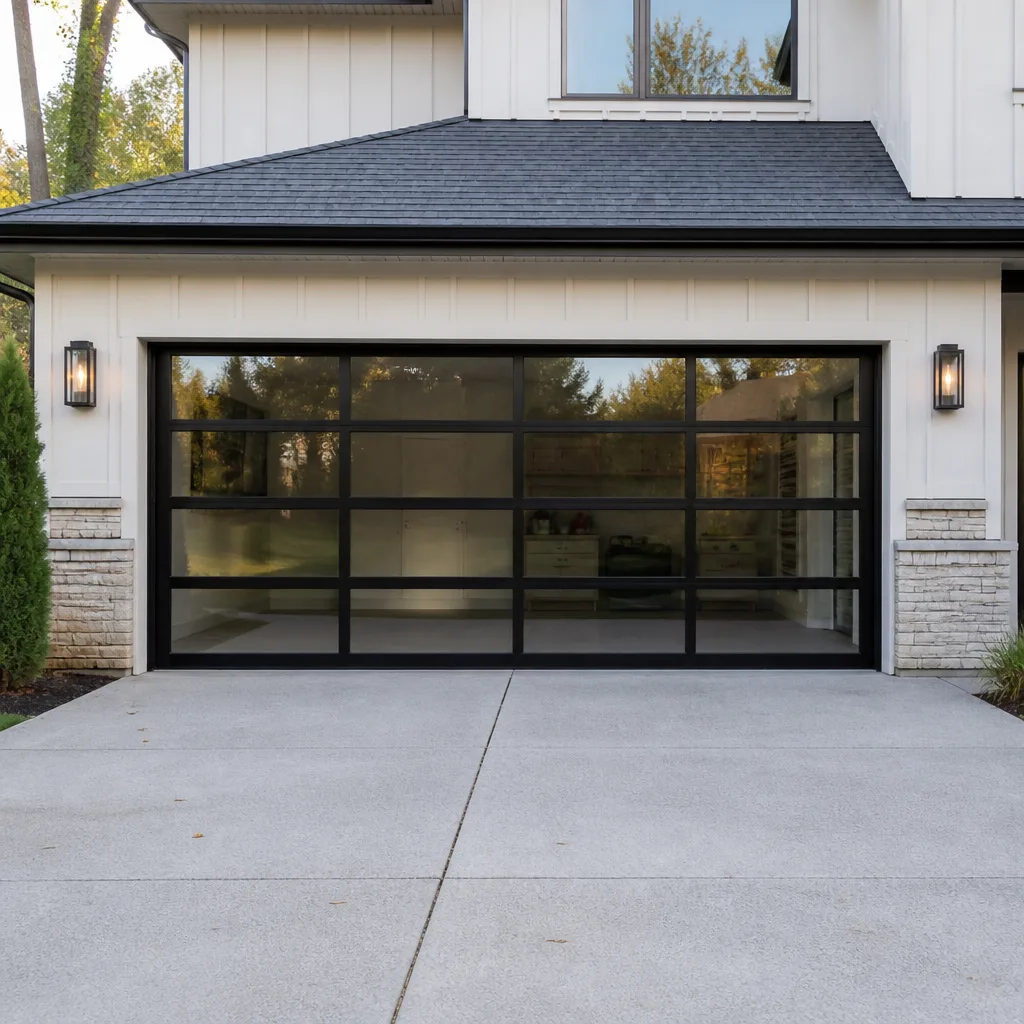 Full-view glass
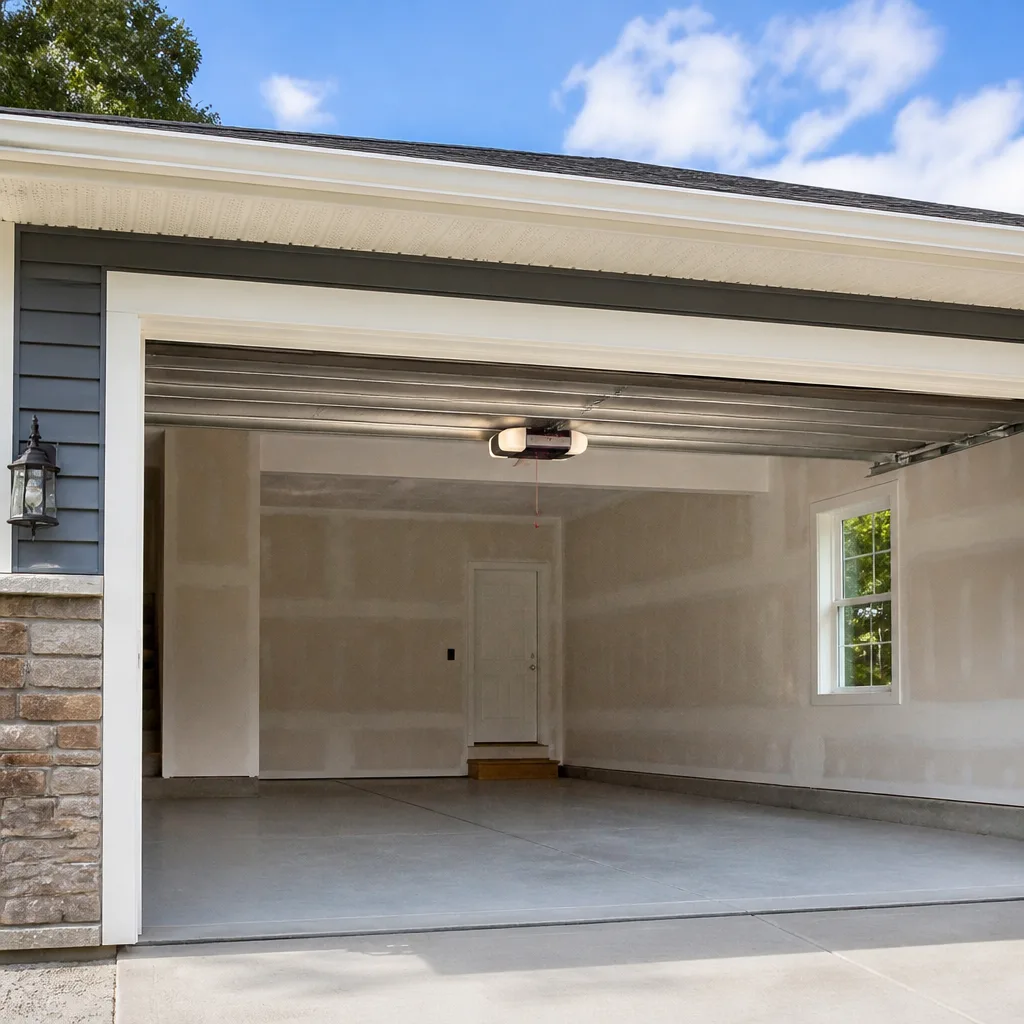 LiftMaster openers
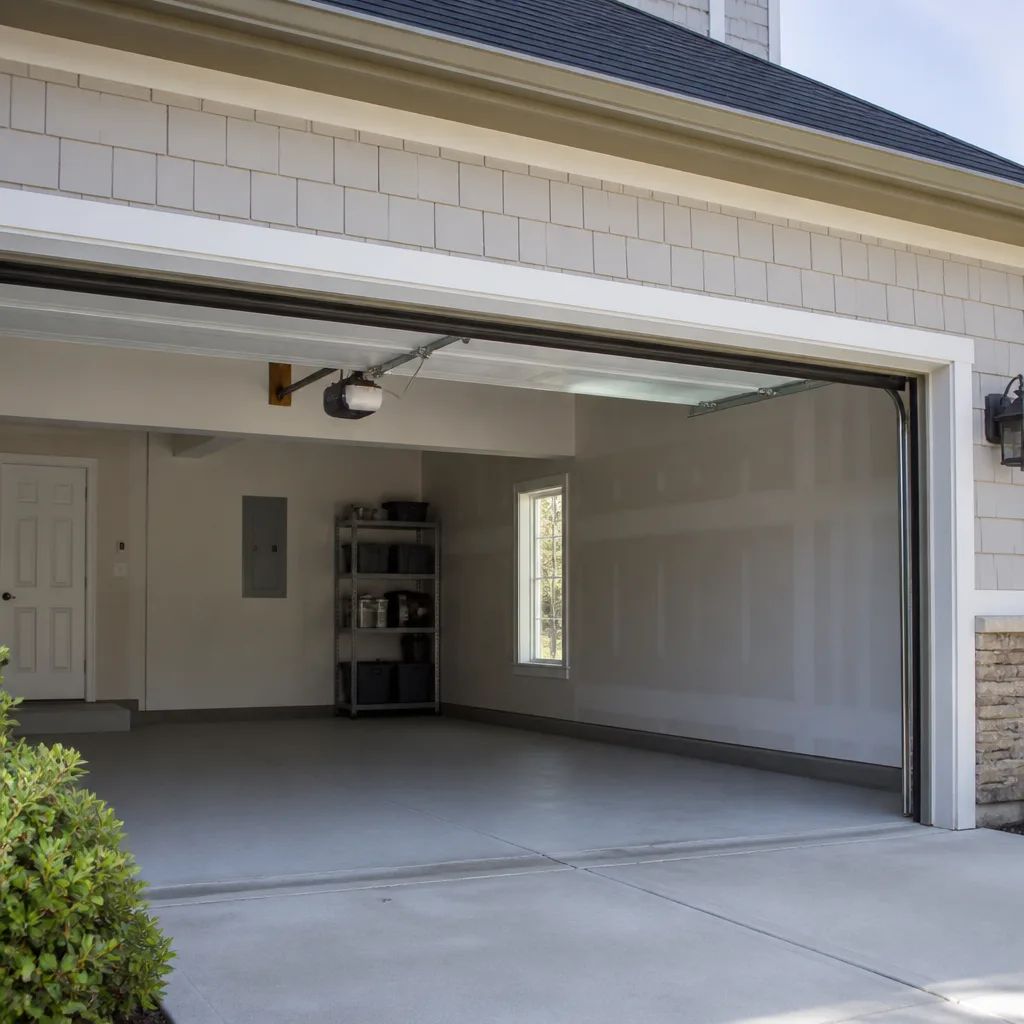 Chamberlain openers
Full 25-point door and opener safety check with every visit - springs, cables, rollers, tracks, and your LiftMaster or Chamberlain opener included
You get a price before we start. It does not change when the pro arrives.
Get your free estimateDIY vs Professional Garage Door: The Magnolia Homeowner’s Decision Guide
Most DIY-versus-pro guides for garage doors get the core question wrong. They frame it as a skill ladder: easy jobs for beginners, medium jobs for handy folks, hard jobs for the pros. That’s the wrong axis. The real dividing line is injury risk and liability, not difficulty. A homeowner with basic tools can safely reset a photo-eye sensor or reprogram a remote in a few minutes. That same homeowner, however capable, should never put a wrench to a torsion spring. Those two tasks don’t sit on the same ladder. They sit in different categories. This guide walks through that classification task by task, from a Magnolia perspective, and covers which jobs are genuinely worth learning, how to spot a bad tutorial, and what the money actually looks like.
Quick Answer
Decide by risk category, not skill level. Homeowner-appropriate jobs in Magnolia include opener reprogramming, safety sensor alignment, lubrication, weather seal replacement, and remote battery or antenna checks. Professional-only jobs include torsion spring replacement, cable and drum work, and any repair on a door with a broken spring still under load. The difference is that a spring holds enough stored mechanical energy to injure someone permanently in a fraction of a second, while a sensor misalignment just needs a screwdriver and five minutes.
Styles & brands we work with
- Raised-panel steel
- Carriage house
- Modern flush
- Full-view glass
- LiftMaster openers
- Chamberlain openers
Table of Contents
- The Three-Category Classification That Changes Everything
- Why Torsion Springs Are Categorically Different From Other Home Repairs
- The DIY Tasks Genuinely Worth Learning
- How to Tell a Good Tutorial From a Dangerous One
- The Real Math on “Saving Money” With DIY
- What Magnolia’s Climate Does to Your Door
- Brand-Specific Reality: Chamberlain, Genie, Clopay, and More
- When to Call a Professional
The Three-Category Classification That Changes Everything
Before you touch a wrench, sort the job into one of three buckets. The sort isn’t about how hard the task feels. It’s about what happens if it goes wrong mid-task. A garage door is a heavy, spring-loaded machine, and most of its stored energy is invisible until it releases.
Category 1: Safe for Homeowners
These tasks involve low-energy components, standard tools, and no stored tension. If you get it wrong, the door simply doesn’t work, and you call someone. Nobody gets hurt.
- Reprogramming a remote or keypad
- Replacing remote batteries
- Aligning or cleaning safety sensors
- Replacing the weather seal along the bottom of the door
- Lubricating rollers, hinges, and the torsion bar with approved spray
- Checking the antenna wire on the opener unit
Category 2: Proceed With Caution
These tasks carry some risk if you’re careless, but a reasonably careful homeowner who understands the mechanics can handle them. We’ve seen homeowners do these well. We’ve also seen the results when they go wrong.
- Replacing rollers (the door must be fully closed and secured)
- Adjusting opener travel limits and force settings
- Tightening or replacing hinges on the door panels
- Straightening a bent track after a minor bump (only with the door closed and the opener disconnected)
- Replacing the opener’s light bulbs and belt (belt replacement varies by brand)
Category 3: Professional Only
These jobs involve stored mechanical energy that can release without warning. There is no reasonable DIY path here. Not because homeowners aren’t handy, but because the failure mode is catastrophic.
- Torsion spring replacement
- Extension spring replacement
- Lifting cable replacement or re-tensioning
- Drum and cable work on any door
- Bottom bracket replacement
- Center bearing plate and shaft work
- Any repair on a door with a broken spring still holding the door up
- Panel replacement on a door with damaged lift hardware
That last group is our core list at Magnolia Garage Door Repair Pros, and it’s the safe-for-you list we’ve built the guide around. If you only remember one thing from this piece, make it this: sort every job by which category it falls into before you decide whether to tackle it.
Why Torsion Springs Are Categorically Different From Other Home Repairs
A torsion spring is a tightly wound coil of steel under hundreds of cycles’ worth of tension. It holds up the entire weight of a door that might be 100 to 300 pounds. When a spring breaks, it releases that stored energy instantly, and the coil can snap free of its windings. That’s the part most DIY guides underplay or skip. This isn’t a liability disclaimer tacked on at the end. It’s the actual, physical reason a professional is required.
Compare it to another home repair people handle themselves: replacing a light switch. Yes, you’re working with live electricity, but the hazard is well-understood, controllable by flipping a breaker, and the failure mode is a shock that a careful homeowner can usually avoid. A torsion spring has no breaker to flip. There’s no way to “switch off” the tension. You either have the right winding bars, the right body position, and the right tooling to control it, or you don’t.
The professional requirements aren’t just about tools. Spring replacement in Magnolia involves:
- Using the correct winding bars with the correct diameter and length for the spring size
- Knowing the door’s weight, spring wire gauge, inside diameter, and required cycle life before ordering
- Understanding how the second spring on a two-spring door interacts with the first
- Being able to safely counterbalance a door whose spring has already failed
- Knowing when the bottom bracket, not the spring, is the actual weak point
That’s the entire reason spring repair is a core service for us rather than a referral. It’s one of the few garage door jobs where a general handyman is right to say no. If your spring has failed, the honest answer is that it’s not a homeowner job, and the honest answer to “how much will it cost?” is a specific dollar range we’ll quote in writing before anything starts. Call us and we’ll sort out whether it’s a single spring or a matched pair, because the pair is the more common scenario and it costs roughly twice a single spring.
The DIY Tasks Genuinely Worth Learning
If most of the door’s internals are off-limits, what’s actually worth learning? More than you’d think. These are the tasks we walk Magnolia homeowners through on the phone because it’s faster and cheaper for them to do the five-minute version.
1. Remote and Keypad Reprogramming
Remote pairing is a lost art. Depending on the opener, it’s a matter of pressing the “learn” button on the motor head and then holding a button on the remote. Chamberlain and Genie units each use different light sequences, but the process takes under two minutes. If you’ve added a new remote, changed a code, or your car’s HomeLink isn’t syncing, check the manual for your exact model first, and then try it yourself. This is the top DIY task we recommend.
2. Safety Sensor Alignment
If the door reverses halfway down or refuses to close, the photo-eye sensors are the first thing to check. Look at both units. Most have a small LED that stays solid when aligned and blinks when it isn’t. A bumped sensor, a spider web, or a leaf caught in the lens will cause the door to stay open. Gently nudge the sensor until the light goes solid. Then step back and test the door. It genuinely works. It’s the most common “our door won’t close” call we get, and we can usually talk a homeowner through it in a few minutes.
3. Lubrication
Every hinge, every roller stem, and the torsion bar itself benefit from a light application of a garage-door-specific spray. Don’t use WD-40 as a lubricant; it’s a solvent, not a lasting lube, and it strips out the good stuff. Use a silicone or lithium-based spray meant for garage doors. This is a five-minute job, do it once or twice a year, and it quiets a noisy door faster than anything else.
4. Weather Seal Replacement
That rubber strip along the bottom of the door takes a beating. When it cracks or flattens, you get drafts, water intrusion, and bugs. The seal slides out of an aluminum retainer and slides back in. Bring a small piece of the old seal to your hardware store to match the profile, and slide the new one in.
5. Remote Battery and Antenna Checks
If a remote works from close range but not from down the block, the battery is usually fine and the antenna wire is usually the problem. The antenna is a short wire hanging from the opener. If it’s tangled, wrapped around metal, or shortened, range drops. Straighten it, keep it clear of metal, and try again. If range is still short after that, replace the remote battery.
How to Tell a Good Tutorial From a Dangerous One
YouTube has some genuinely excellent garage door tutorials, and it has some genuinely dangerous ones. The difference is usually obvious within the first thirty seconds, if you know what to look for. Here are the red flags.
Warning Signs
- No safety disclaimer at all. A real technician always names the hazard. If the creator leaps into a torsion spring without a single sentence about the danger, close the tab.
- The presenter doesn’t show tools before starting. Winding bars, gloves, and a lockout of the opener should appear before any work does.
- They skip weighing the door. Real spring replacement starts with the door’s weight and spring wire size, not with grabbing whatever’s on hand.
- Fast cuts through the sketchy parts. If the video cuts when the spring is being wound or the cable is being tensioned, they’re hiding a step they can’t safely demonstrate.
- Clickbait titles like “Fix your garage door in 5 minutes!” for anything involving springs, cables, or bottom brackets.
- Comments disabled. The comments are where other technicians call out bad advice. If they’re off, treat that as a signal.
- No visible familiarity with the specific brand. A generic LiftMaster video applied to a Chamberlain unit can land you with the wrong spring.
Green Flags
- The presenter names the door’s weight and the spring specifications before starting
- They show the winding bars in-hand before touching the spring
- They state the danger out loud and explain why a professional would do this instead
- Comments are on and experienced techs are engaging with them
- The tutorial is brand-specific rather than “for any garage door”
Watch enough of these and you’ll start recognizing the difference in five seconds. When in doubt on a spring job, watch for the safety disclaimer. If it isn’t there, the tutorial isn’t there either.
The Real Math on “Saving Money” With DIY
Most DIY decisions look rational until you price the fix-a-botched-job. Here’s what that math actually looks like for garage door work, using typical Magnolia ranges.
- DIY sensor alignment: free, five minutes, and if it doesn’t work, the fix is a service call. Even a wrong attempt has no destruction risk.
- DIY lubrication: a $6 can of silicone spray, ten minutes. No cost if you miss a hinge.
- DIY remote reprogramming: free. If it fails, you call and read the manual code off the back of the opener.
- DIY weather seal: around $20 for the seal, half an hour. If the profile is wrong, you return the seal and try again.
- DIY spring replacement gone wrong: a snapped spring can damage the door panel, bind the cables, and bend the track. The fix then includes new panels (which we have to order for your specific door), cables, springs, and labor. What would have been a spring job in the low hundreds becomes a replacement-level repair in the high hundreds or more.
- DIY attempt with injury: the cost is not a number we can quote. It’s the number we’re trying to help you avoid.
The pattern here is simple: the tasks that cost nothing to attempt are exactly the tasks in Category 1, and the tasks where failure is catastrophic are exactly the tasks in Category 3. That’s not a coincidence. It’s the classification working as intended. A spring repair priced upfront is one number, quoted and agreed before work starts. A failed DIY attempt that damages the door is a bigger number, plus a longer wait while the correct parts are ordered for your specific door.
What Magnolia’s Climate Does to Your Door
Magnolia’s wet winters and damp shoulder seasons are hard on everything on the outside of a house, and garage doors are no exception. The bottom weather seal is the most climate-exposed part of the system. Cold, wet months cause the seal to harden and crack faster than in a drier climate, which is why replacing it is on the DIY list. A fresh seal keeps moisture out of the door track, where standing water accelerates rust on rollers and hinges.
The other climate factor is temperature swing across the seasons. A door that runs smoothly in July can sound different in January, but that’s rarely a spring problem and usually a lubrication or track-alignment problem. Lubricating the rollers and hinges before the wet season starts is the single best thing Magnolia homeowners can do to keep a door running quietly through the winter. It’s also the cheapest.
One thing Magnolia’s climate does not do is salt damage. We’re inland. If you’ve read guides elsewhere that warn about sea air or salt corrosion on door hardware, that’s not a Magnolia issue, and any guide that names it for a Magnolia address is recycling advice from a different climate. Save your attention for moisture and seasonal swelling, which is what actually affects doors here.
Brand-Specific Reality: Chamberlain, Genie, Clopay, and More
Generic DIY advice goes wrong fastest when it’s applied to a specific brand. A Chamberlain opener has a learn button that behaves differently from a Genie’s program button, and the light sequences tell you different things. A Clopay door might use a different weather seal profile than an Amarr or Wayne Dalton, which matters the moment you’re trying to slide a replacement seal into the retainer.
We handle the eight most widely installed residential brands: LiftMaster, Chamberlain, Genie, Clopay, Amarr, Wayne Dalton, Craftsman, and Raynor. That matters for the DIY decision because:
- Reprogramming steps vary by brand, so always check the manual for your exact opener model. Chamberlain and Craftsman share lineage; Genie is its own beast; LiftMaster’s MyQ app pairs differently from a legacy unit.
- Roller sizes and track profiles differ enough that “one size fits all” parts often don’t
- Spring specifications depend on the door’s panel weight, and different Clopay and Amarr models weigh different amounts
- A repair part that fits a 2015 Chamberlain may not fit a 2020 Genie opener of the same nominal features
For anything on the safe list, knowing the brand helps you buy the right part. For anything on the professional list, knowing the brand is how a technician diagnoses correctly the first time rather than guessing. Our technicians have up to 8 years of experience across these systems, and the brand-specific knowledge is the difference between a first-visit fix and a return trip. When you need parts, we also sell them directly, so you can get the same components a professional would use for the DIY jobs you’re handling.
Common Mistakes to Avoid
- Using WD-40 as a lubricant on the torsion bar. It strips existing lubricant, attracts dust, and quiets the door for a day before it’s louder than before. Use a garage-door-specific silicone or lithium spray instead.
- Cutting a weather seal to size without matching the profile. Bring a small cut-off piece to the store so you can match the retainer shape. A “close enough” seal won’t seat, and you’ll waste the whole roll.
- Trying to tighten a torsion spring “just a little.” Even one-quarter turn on a wound spring can release stored force in a way no homeowner is prepared for. If the door is heavy or crooked, the spring is the reason and the fix is a professional’s job.
- Bypassing safety sensors “just for now” because the door won’t close. The sensor exists because a child, a pet, or a car hood can be in the way of a door that isn’t expecting it. Fix the sensor; don’t defeat it.
- Disconnecting the opener to move a stuck door without propping it. A door with a broken spring doesn’t stay up on its own. Block it or call a professional before you lift it.
- Buying springs online without the door’s weight and wire gauge. Springs are spec’d, not sized by eye. A wrong spring either won’t lift the door or will bind the cables and warp the panels.
- Paying a “diagnosis fee” for something a sensor check would have found. Before you call anyone, check the sensor lights and the remote battery. If you’ve done those and the door still misbehaves, call us with the brand and model and we’ll figure out the rest.
One more, and it’s specific to Magnolia: don’t ignore a door that hangs on one side during the wet months. A door that was straight in summer can drift out of alignment when the panel wood or the frame swells. If it’s a track-adjustment, it’s often a quick garage door repair. If it’s a spring, it needs a technician. Either way, catching it before the whole hardware binds saves you a bigger bill.
See the difference
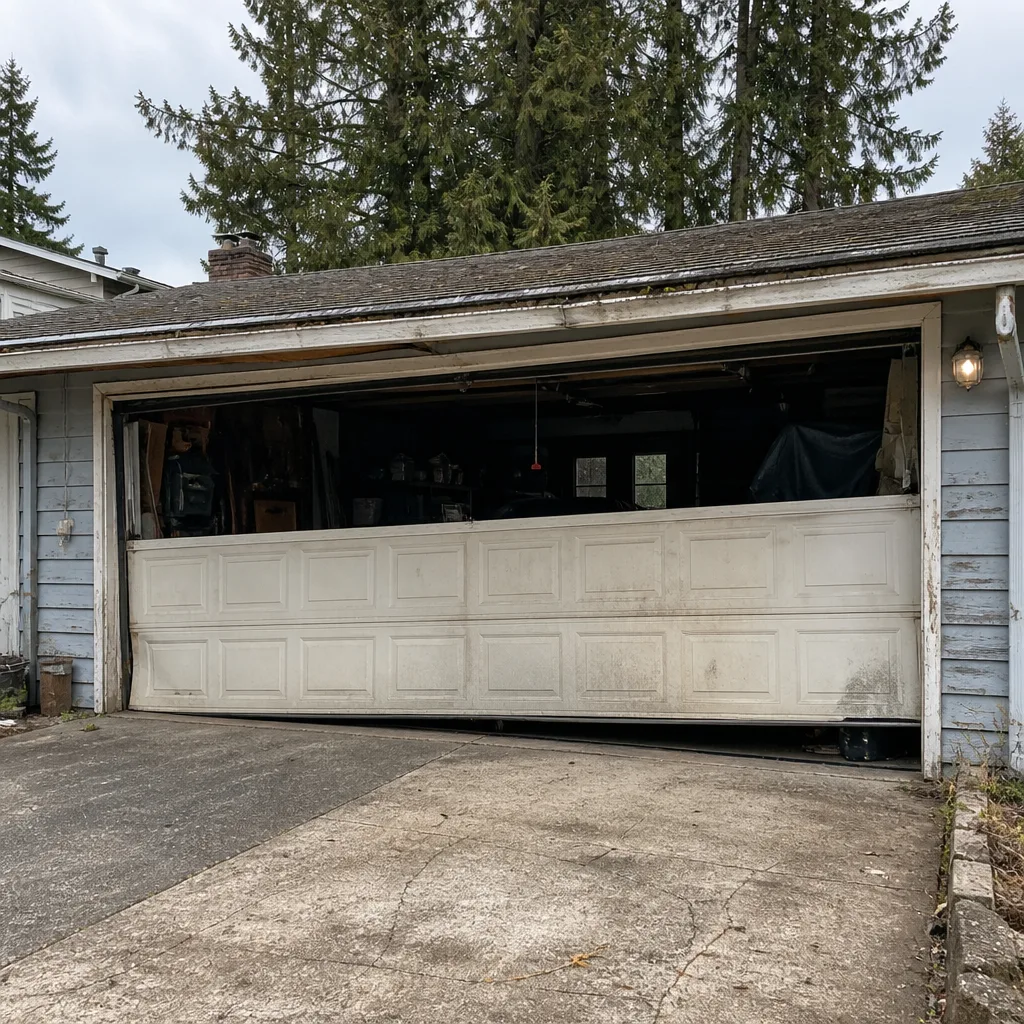 Before
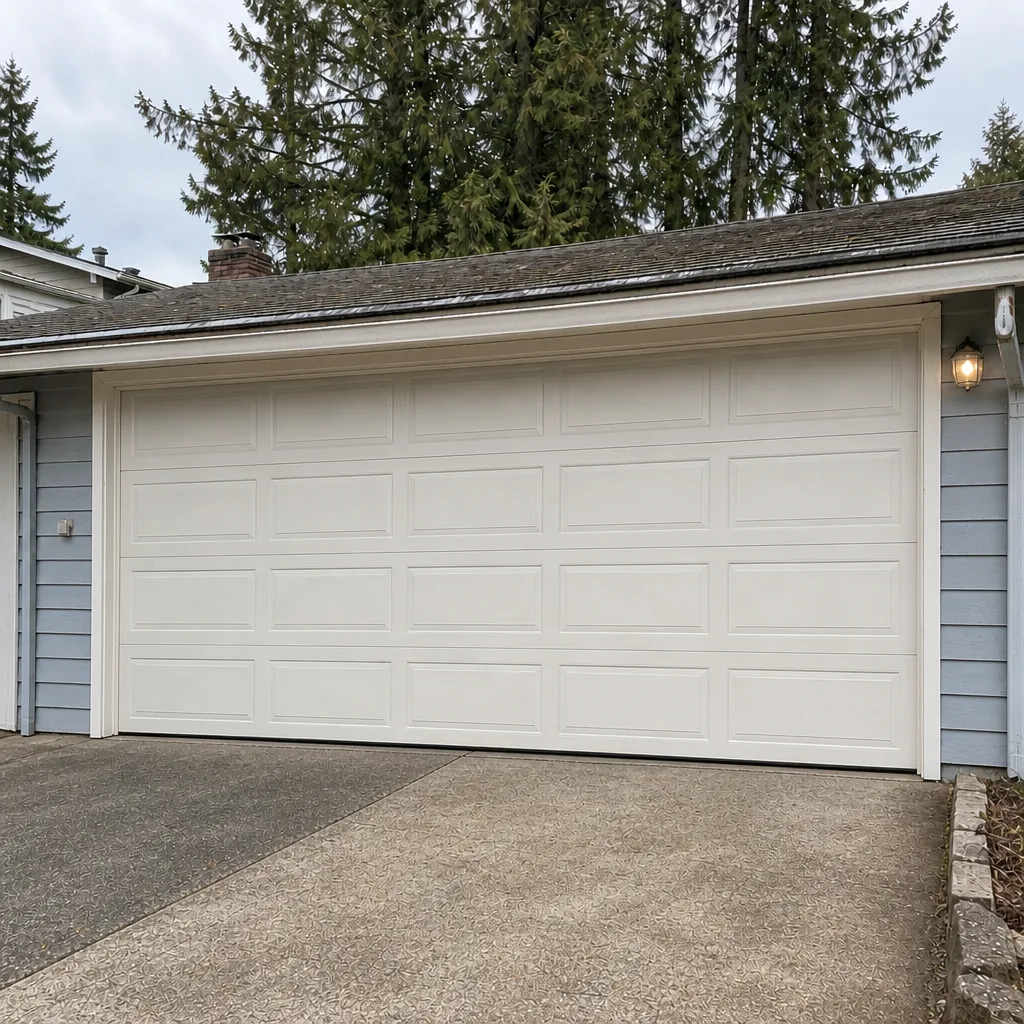 After
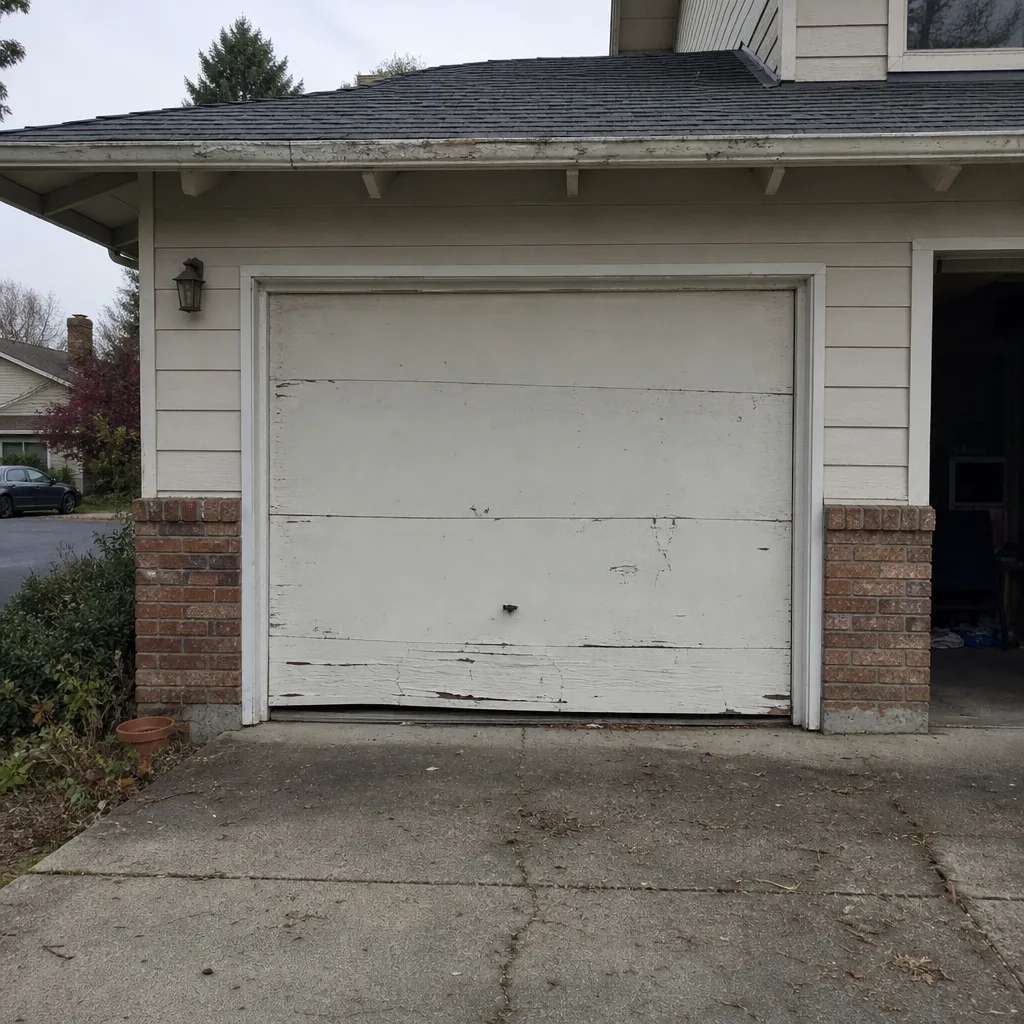 Before
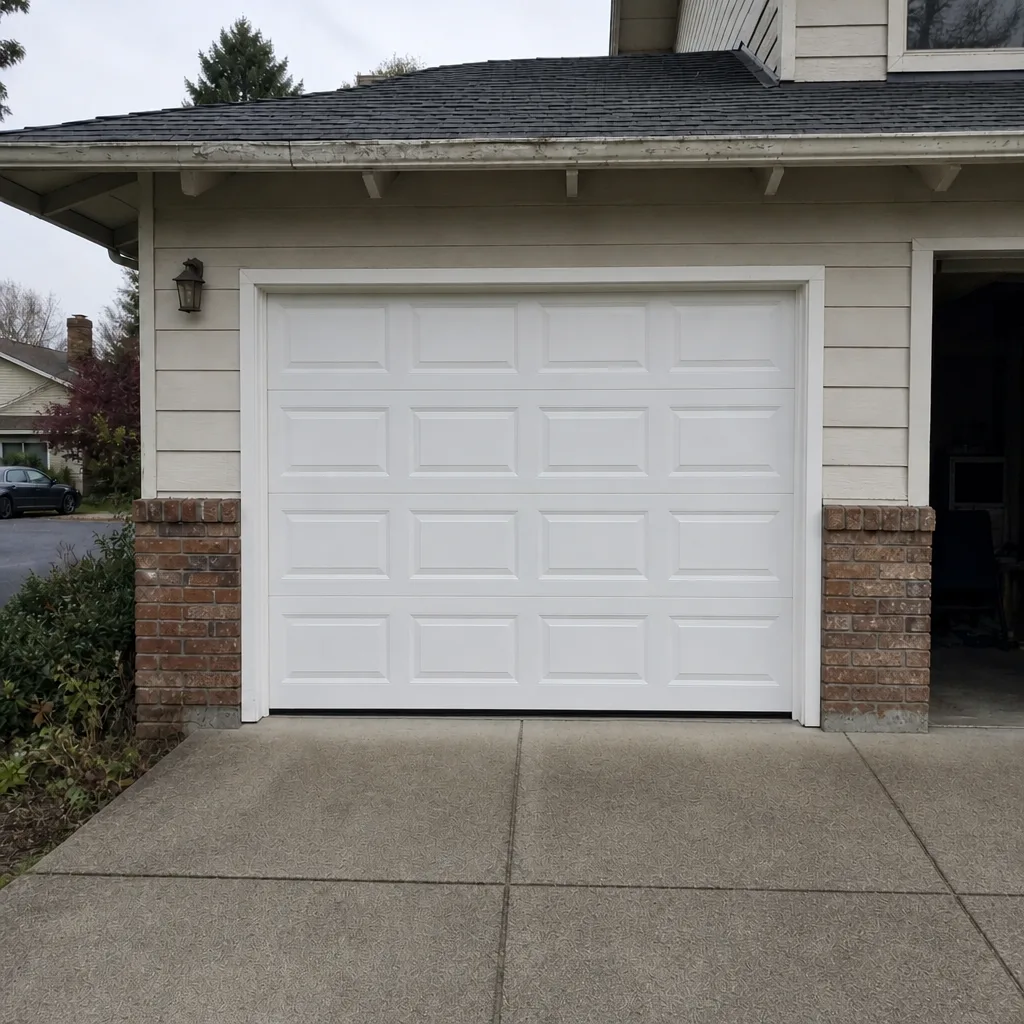 After
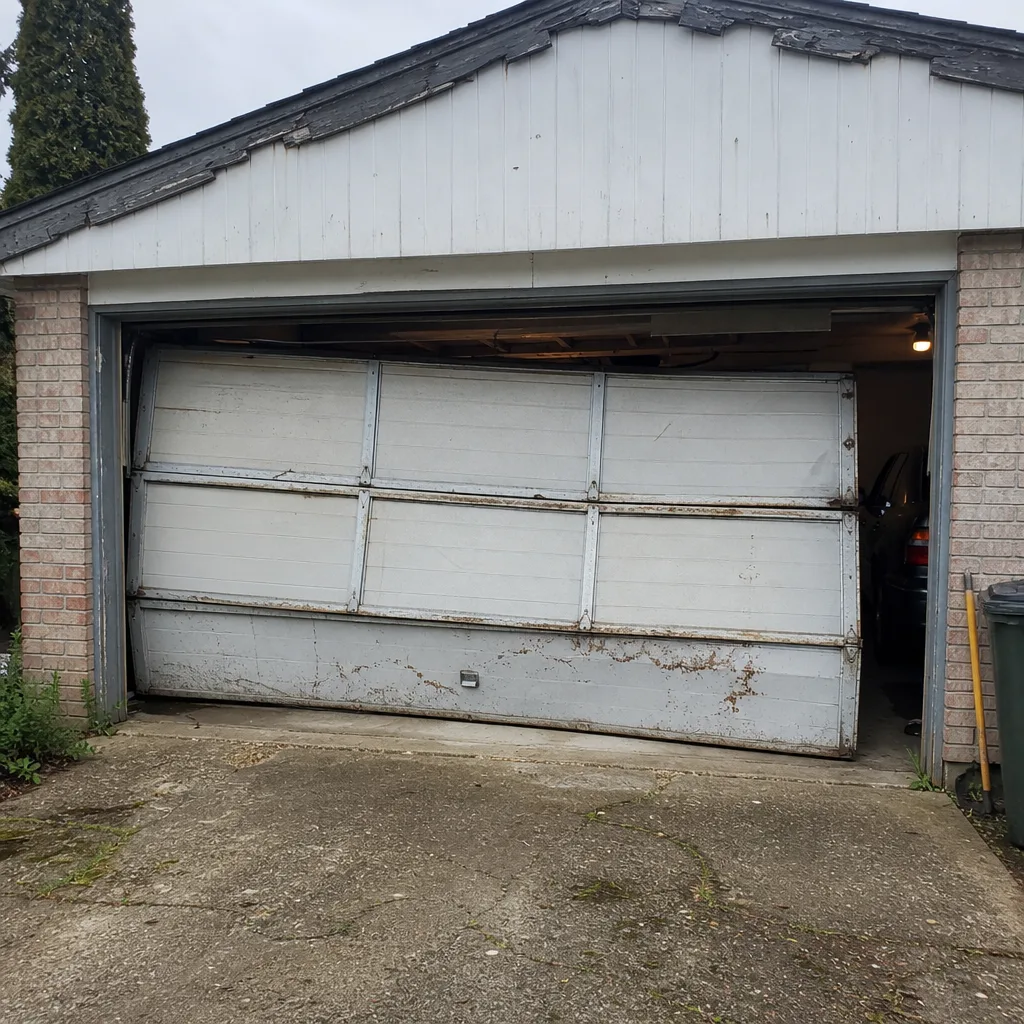 Before
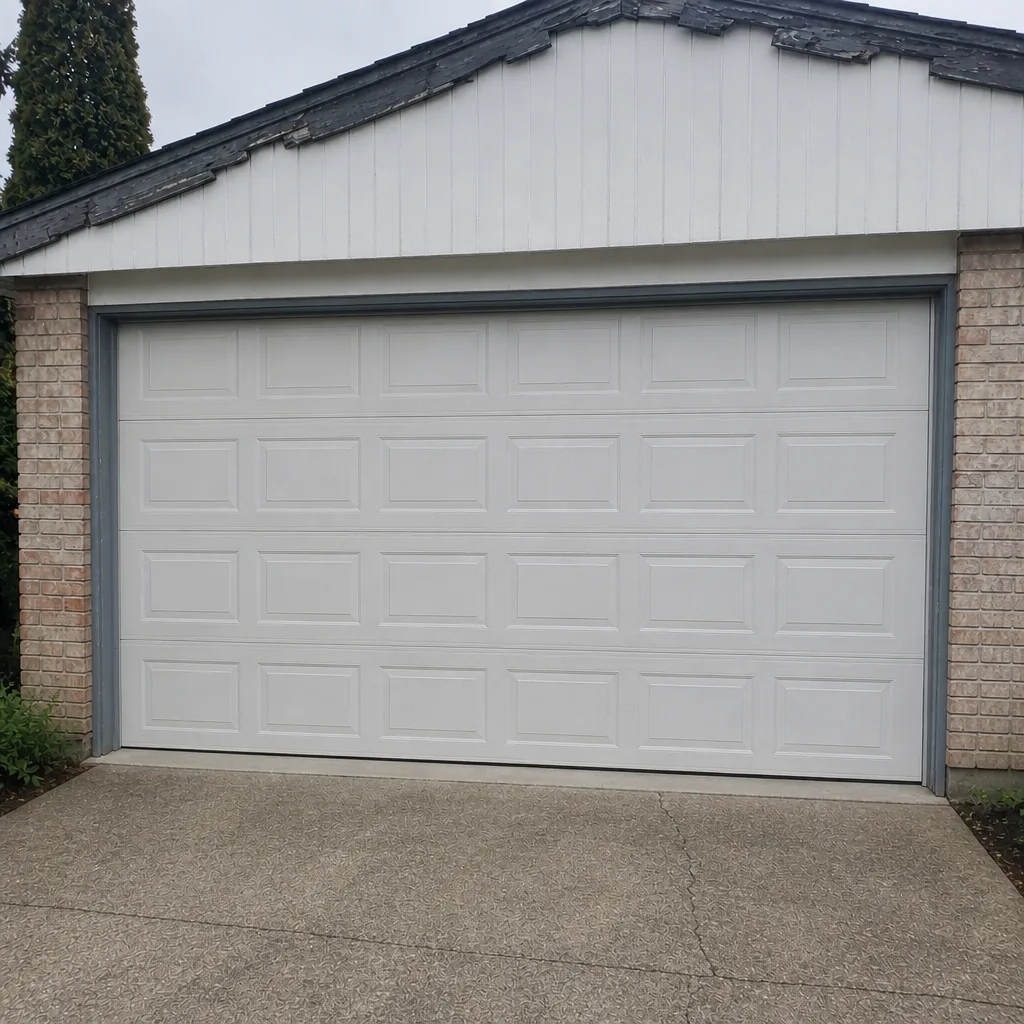 After
When to Call a Professional
Call a professional when the job is in Category 3, or when a Category 2 attempt doesn’t fix the problem on the first try. A broken spring, a snapped cable, a bent track from a bump, a door that won’t stay down, or an opener that reverses unpredictably all warrant a technician. So does any job on a door with a broken spring still holding it partially up. If your opener is an older LiftMaster or a smart-home-integrated Chamberlain and you’re not sure whether the issue is the opener or the door, the diagnostic is fast and free.
We offer free estimates in Magnolia. Call (855) 337-1237, tell us your brand and what the door is doing, and we’ll quote the repair in writing before any work starts. If your opener is the failing part, we also handle garage door opener repair on all the major brands. If the door itself is at end of life, we walk through that in writing too, and only recommend garage door installation when a repair isn’t viable.
Frequently Asked Questions
No. Torsion spring replacement is a professional-only job regardless of your experience level. The spring holds enough stored energy to cause permanent injury in under a second, and there’s no breaker or switch to turn off the tension. Call (855) 337-1237 for a free estimate, and don’t attempt the repair yourself.
Sensor alignment, remote and keypad reprogramming, lubrication, weather seal replacement, and remote battery or antenna checks are all safe homeowner tasks in Magnolia. They involve low-energy components and standard tools. If a door reverses unpredictably or hangs on one side after one of these fixes, that’s a professional call.
It depends on what got damaged. A wrong spring or a cable that’s been re-tensioned incorrectly often results in panel, track, and cable damage that runs into the high hundreds to fix, versus a spring repair in the low hundreds done properly up front. Call (855) 337-1237 for an exact quote once we see the door.
Look for three things. The presenter should name the danger out loud, show the right tools before starting, and specify the door’s weight and spring size. If any of those are missing, close the tab. Any tutorial on springs, cables, or bottom brackets without a safety disclaimer is not one to follow.
We service LiftMaster, Chamberlain, Genie, Clopay, Amarr, Wayne Dalton, Craftsman, and Raynor. That covers essentially every residential system a Magnolia homeowner is likely to have, whether it’s a legacy Craftsman opener or a current Chamberlain smart-drive unit. Parts are also available directly if you’re doing the safe repairs yourself.
The written estimate you approve is the price. We quote before any work starts, and any change would only happen with your explicit sign-off. Call (855) 337-1237 to get the quote started, and we’ll confirm the estimate in writing.
The Bottom Line
The DIY-versus-pro decision for a garage door isn’t about your skill level. It’s about sorting the job into the right risk category first. Sensor alignment, reprogramming, lubrication, and weather seal replacement are genuinely worth learning and save you real money. Torsion springs, cables, drums, and bottom brackets are professional-only, and the math on a botched attempt doesn’t work out in your favor once damage is in play. Magnolia’s damp winters make a yearly lubrication and a fresh weather seal the highest-value things you can do yourself. Everything else, we recommend you call. Our technicians have up to 8 years of experience, we service all eight major residential brands, and we handle springs, openers, installation, and parts under one roof. Magnolia Garage Door Repair Pros offers free estimates in Magnolia. Call (855) 337-1237 to get an exact quote before any work starts.
Written by the team at Magnolia Garage Door Repair Pros.