Last updated November 21, 2026
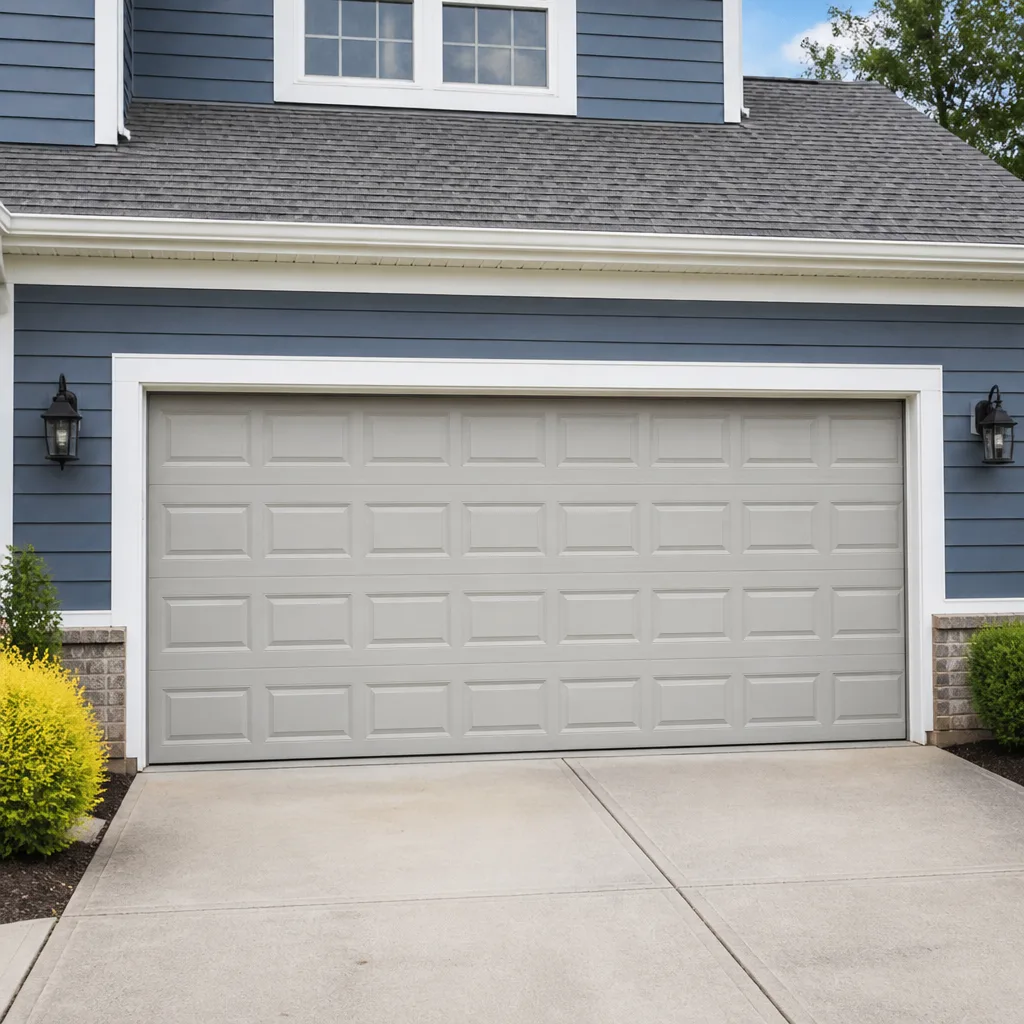 Raised-panel steel
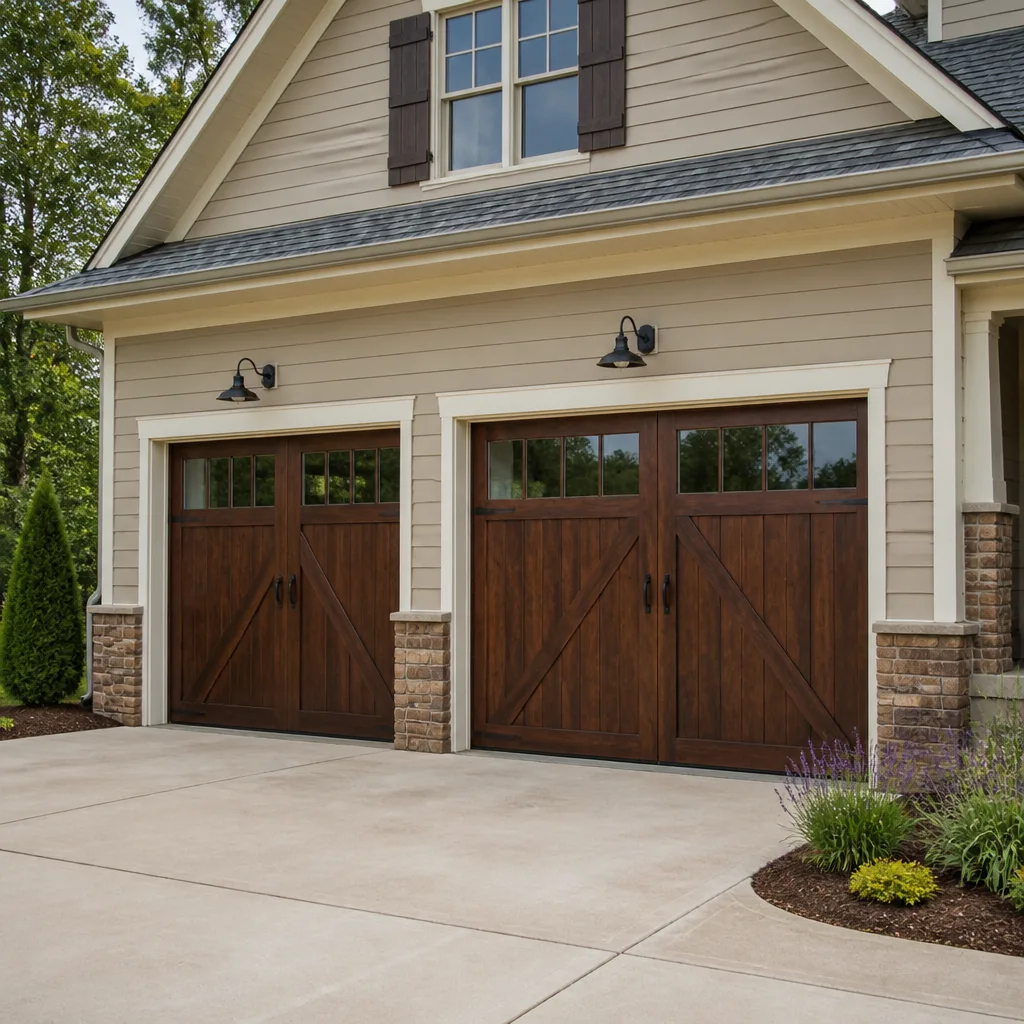 Carriage house
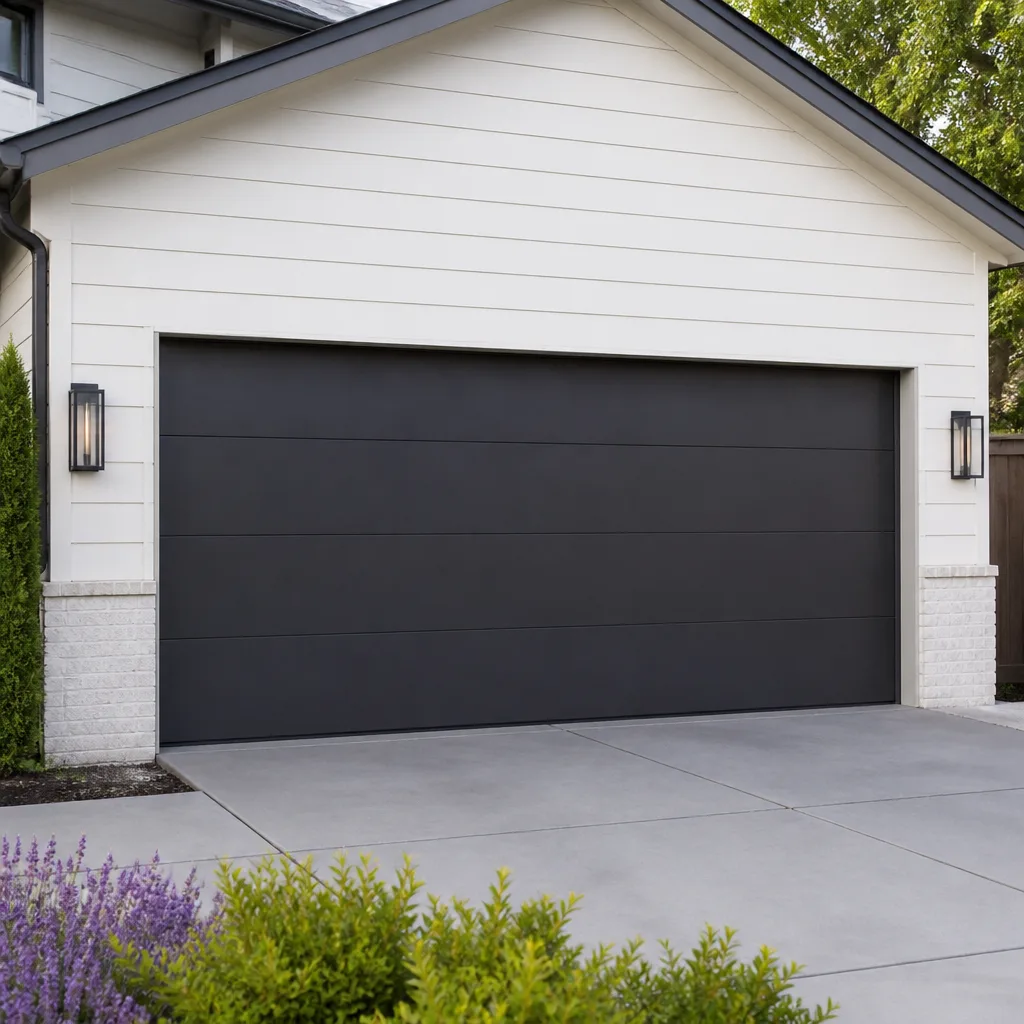 Modern flush
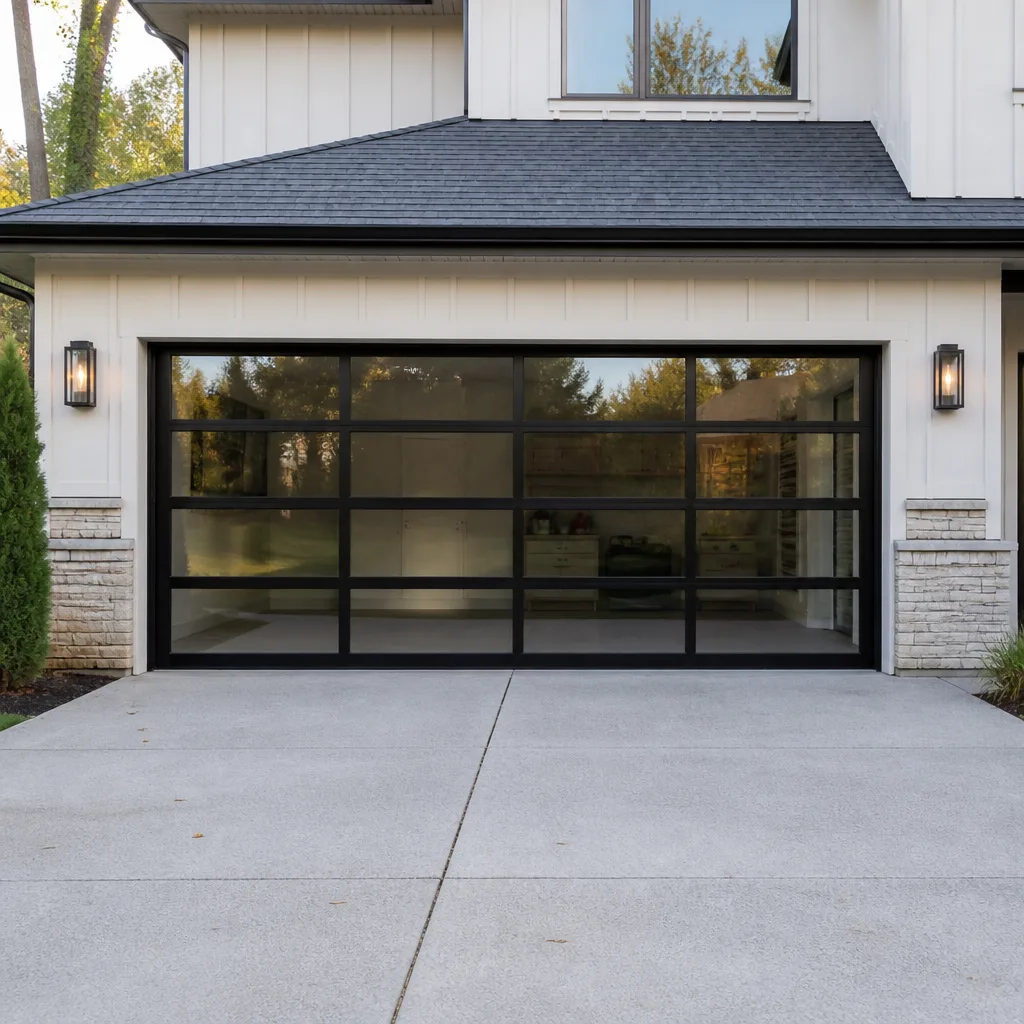 Full-view glass
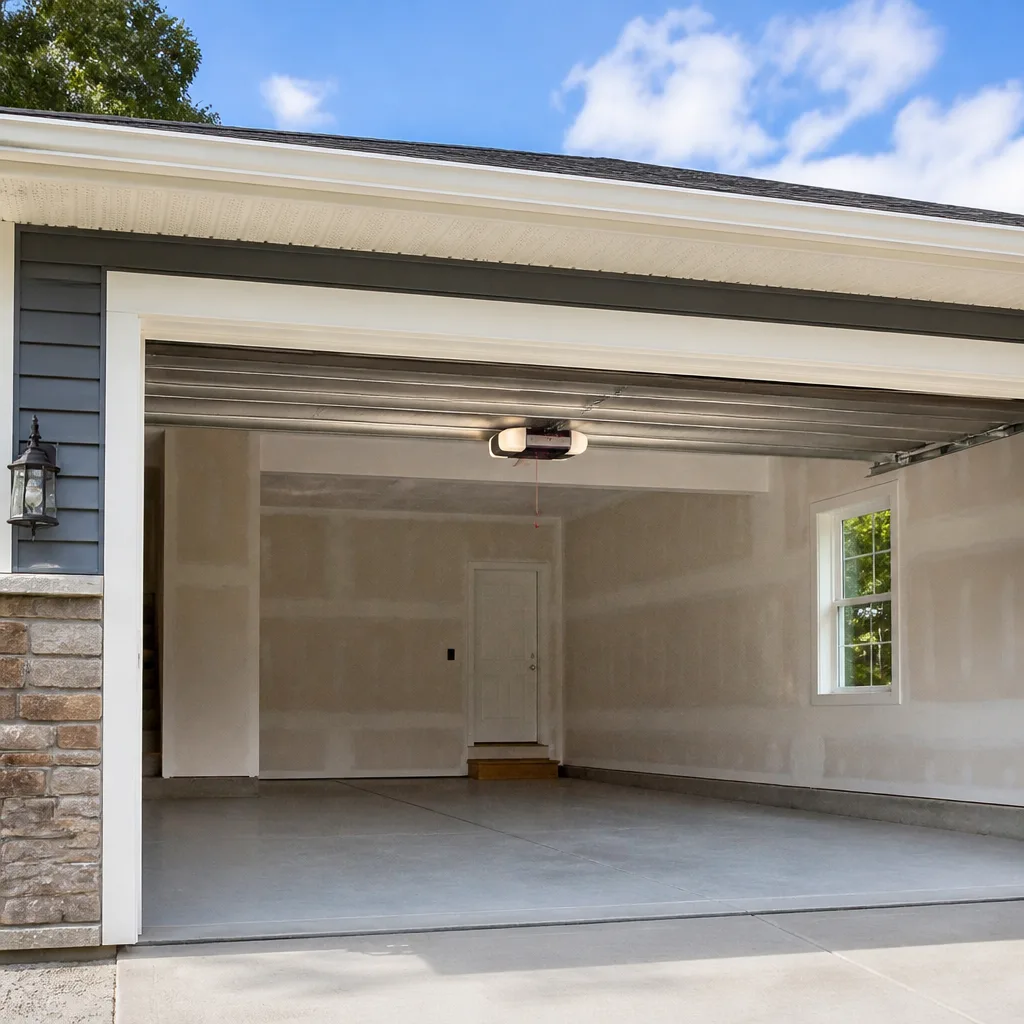 LiftMaster openers
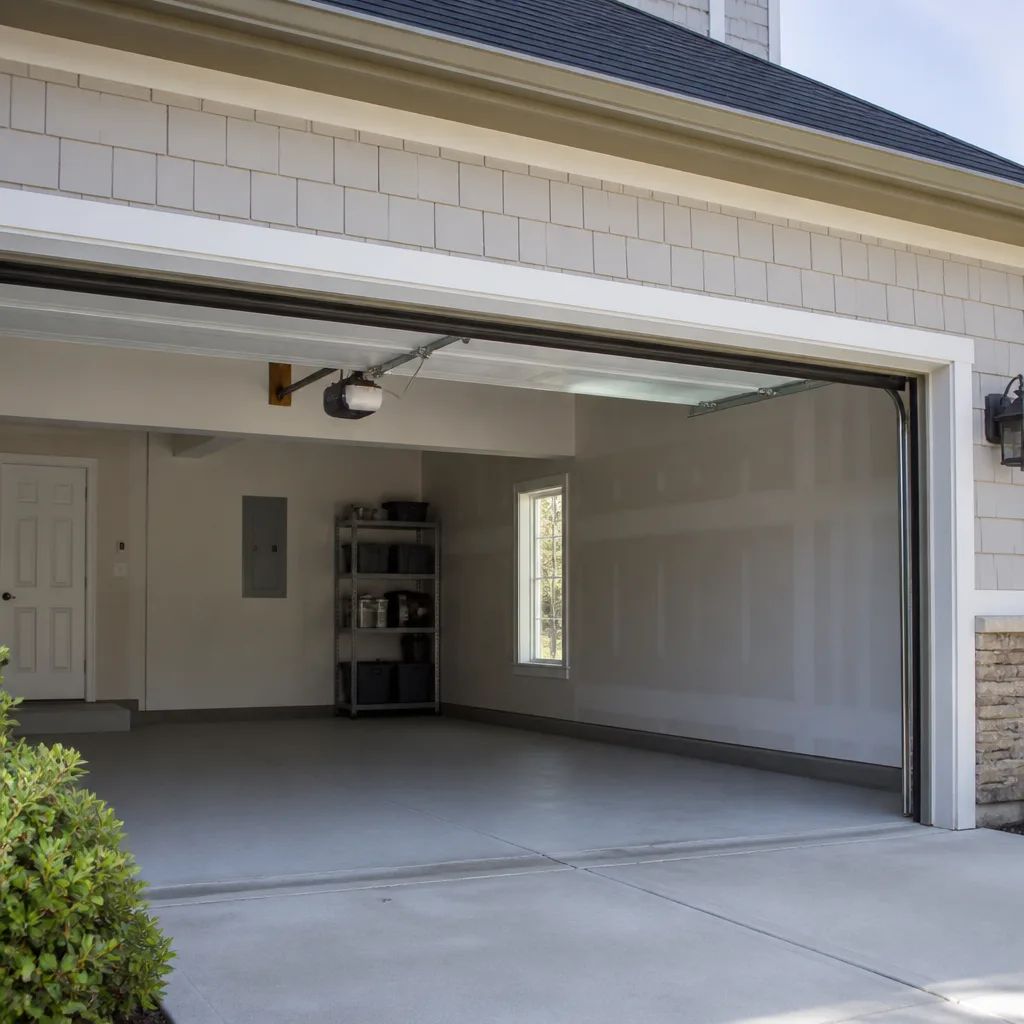 Chamberlain openers
Full 25-point door and opener safety check with every visit - springs, cables, rollers, tracks, and your LiftMaster or Chamberlain opener included
You get a price before we start. It does not change when the pro arrives.
Get your free estimateGarage Door Emergency Preparedness Guide for Magnolia Homes
Most homeowners treat the garage door as an appliance: it opens, it closes, and nobody thinks about it until it stops. That framing misses the real role this door plays in a Magnolia home. On a narrow peninsula where the main ways on and off are a couple of bridges, a garage door that won’t open can keep your only car inside, block the path you’d use to leave on foot, and turn a bad morning into a dangerous one. The good news is that preparedness here is mostly small, cheap, and boring. This guide covers how to release the door by hand the right way, what seismic bracing looks like for Magnolia homes, how to handle a power outage, and what to keep in the garage so you’re never guessing. None of it takes special tools.
Quick Answer
A garage door emergency plan for a Magnolia home comes down to four things: knowing how to use the manual release correctly, having a battery backup or a way to open the door by hand, bracing the door and track against seismic movement, and keeping a small kit in the garage with a flashlight, gloves, and our number saved. Do those, and an outage or a quake becomes a minor hassle instead of a trap. Most of the work is inspection and a few hardware additions, not a new door.
Styles & brands we work with
- Raised-panel steel
- Carriage house
- Modern flush
- Full-view glass
- LiftMaster openers
- Chamberlain openers
Table of Contents
- How Do You Use the Emergency Release Cord Correctly?
- Seismic Bracing for Magnolia Garage Doors
- What to Do in a Power Outage
- Operating a Fully Disconnected Door
- The Garage Emergency Kit Checklist
- Why Brand Knowledge Matters in an Emergency
- Preparedness Maintenance You Can Do Yourself
- Common Mistakes to Avoid
How Do You Use the Emergency Release Cord Correctly?
The emergency release cord is the red handle hanging from the trolley on your opener rail. Pulling it disconnects the door from the opener so you can lift the door by hand. That’s the basic idea, and it’s where most people stop. The part almost everyone gets wrong is what happens after: a door that’s been manually released is no longer locked, no longer held by the opener, and on many systems can be pushed up from outside. If you pull that cord, you’ve turned your garage door into an unlocked door, and you need to secure it before you walk away.
Operating the release correctly is straightforward once you know the sequence:
- Make sure no one is standing in the door’s path and the door is fully closed or fully open, not mid-travel.
- Pull the red handle straight down and toward the door, firmly, until the trolley clicks free.
- Lift the door slowly with both hands at the bottom section. A door with a broken spring will be very heavy. If it won’t lift with reasonable effort, stop and don’t force it.
- Once the door is where you want it, secure it. If you have a keyed slide lock or a manual locking bar, engage it. On a LiftMaster or Chamberlain opener with a manual release, re-engaging the opener is a separate step, covered below.
Re-engaging is the step people forget. To reconnect, pull the release cord again so the trolley re-latches, or on many systems, run the opener and let the carriage catch the trolley as it passes. Listen for the click. Test the door with the wall button before you rely on it. If it doesn’t catch, don’t force it. Call us and we’ll walk you through it or send a technician. In Magnolia, where a lot of homes have older openers with a manual trolley release, this catch step is the one that fails silently and leaves a door that looks normal but won’t open with the remote.
Seismic Bracing for Magnolia Garage Doors
Puget Sound sits in an active seismic zone, and a garage door is one of the more vulnerable parts of a house during a quake. The door is a large, fairly rigid panel hanging in a frame that can flex. When the frame racks, the door can bind, jam against the track, or come off its rollers. The result is a door that won’t open by hand even after you pull the release cord. Bracing kits address this directly. They’re a legitimate retrofit, not a gimmick, and they’re the kind of cheap insurance most homeowners never get around to.
What a seismic retrofit for a residential garage door typically involves:
- Track reinforcement: brackets or struts that tie the vertical track to the wall framing so the track doesn’t spread or twist.
- Header and jamb bracing: extra fasteners or steel angles that keep the opening square when the wall moves.
- Door panel stiffening: a strut across the top section on lighter-gauge doors, which helps the door resist racking.
- Roller and hinge upgrades: heavier rollers and hinges that tolerate more play before they bind.
Which doors are most at risk? Older, single-layer steel doors with thin gauges and wide sections flex the most. A Wayne Dalton or an older Craftsman door from the 1990s is more likely to rack than a current LiftMaster-equipped door with a reinforced top section. A wide two-car opening braces less stiffly than a single-car door. Cost varies by door width, framing condition, and how much reinforcement the opening needs. We quote it after looking at the actual door and frame, and the written estimate sets the final price. If you’re in Magnolia and your door is older, this is the one preparedness upgrade worth budgeting for.
What to Do in a Power Outage
When the power goes out in Magnolia, the garage door is often the first thing people notice, and usually the last thing they’ve planned for. The protocol is simple, but it needs to be done in order. If you have a battery backup opener, the door may work normally for a while, and then it won’t, once the battery drains. If you don’t, you’re going manual, and that means the release cord and a little care.
Here’s the sequence to follow:
- Check whether the opener has a battery backup. LiftMaster and Chamberlain units with backup show a light or beep when running on battery. If it’s running on battery, use the door normally and save the manual release for later.
- If there’s no backup, pull the emergency release cord. This disengages the door from the opener.
- Lift the door by hand at the bottom section. If it feels unusually heavy, stop. A door with a failing spring won’t open safely by hand and you don’t want it to come down unexpectedly.
- Once the door is open, prop or secure it, and lock it before you leave the house.
- When power returns, re-engage the opener by pulling the release cord again or running the opener to let the carriage catch, then test with the wall button.
One practical note for Magnolia homes with a keyed outside lock: the manual release only works from inside the garage. If you’re locked out and the power is out, the release doesn’t help unless you have a keyed lock with an emergency key or an outside release kit. Keep that key somewhere accessible outside the garage, not on the ring inside it. That’s the single planning decision that separates a five-minute fix from a call to a locksmith on a bad day.
Operating a Fully Disconnected Door
Magnolia’s geography is worth thinking about for one specific reason: a long outage. The peninsula has a handful of routes on and off, and when a widespread event takes down power, a garage door that depends entirely on electricity stops being a convenience and becomes a problem. A dead door, a dead opener, and a car inside means you’re walking out, and if the emergency is why you need to leave, that’s the wrong answer. The planning is not a bunker mentality. It’s the same logic as keeping a manual can opener.
What a fully disconnected door requires:
- A working emergency release. Test it once with the opener unplugged. If the trolley won’t release, fix it now, not during the event.
- A door that opens by hand. If it won’t, the springs or rollers are the issue, and that’s an inspection item, not an emergency improvisation.
- Tools kept in the garage, not in the locked car: a flashlight with fresh batteries, work gloves, a screwdriver set, and a pair of locking pliers. These cover the common failures, like a misaligned track or a jammed roller, that keep a manual door from opening.
- A way to secure the door from the outside once it’s open, so you’re not leaving the house open when you drive away.
- On newer smart openers, remember that a WiFi opener with no power and no battery is offline. The app does nothing. Plan on manual operation, not on your phone.
We’ve seen prepared homes treat this as a five-minute checklist once or twice a year: unplug the opener, pull the release, lift the door, re-engage. Do that on a calm day and you’ll know whether your door will work when it matters. If it doesn’t, it’s a straightforward garage door repair issue, not a mystery.
The Garage Emergency Kit Checklist
The best emergency kit for a Magnolia garage is small, durable, and lives on a wall hook, not in a drawer you’ll forget. It should cover the handful of things that actually go wrong: the door is released and needs securing, the power is out and you can’t see, or the door is jammed and you need to know what to do without guessing. Here’s the list we’d suggest for any Magnolia home with an attached garage.
- Manual release key for any keyed outside lock, plus a spare stored somewhere outside the garage.
- Flashlight with fresh batteries, checked at the same time as your smoke detectors.
- Work gloves so you’re not grabbing a garage door’s track or panel edges bare-handed.
- A printed card with our number, (855) 337-1237, taped inside the garage door frame where you’ll see it, since a dead power outage means no phone lookup from a laptop.
- A small screwdriver set and locking pliers for a jammed track or roller.
- A door prop or wedge to hold the door open while you secure or load it.
- Water and a first aid kit, plus a battery-powered radio if you want the broader household kit complete.
One thing not to keep in the kit: a plan to force the door. If the door won’t open by hand with the release pulled, the problem is in the springs, track, or rollers, and forcing a door can bend the panels, snap a cable, or bring the door down on a person. A high-tension torsion spring or a tensioned extension cable stores a serious amount of energy. That’s not a homeowner-side fix. Call a technician instead.
Why Brand Knowledge Matters in an Emergency
When a garage door is stuck, the diagnosis is almost always brand-specific. A Raynor door’s spring setup, a Wayne Dalton’s roller and hinge configuration, and a LiftMaster opener’s trolley release all behave differently under stress. A technician who only knows one brand will guess, and guessing on a stuck door usually means replacing parts that didn’t need replacing. In an emergency, the time cost of a wrong diagnosis is real, and so is the money.
Our technicians work across the major residential brands, including Wayne Dalton, Craftsman, Raynor, and LiftMaster, along with Chamberlain, Genie, Clopay, and Amarr. That matters here because Magnolia has a mix of homes: older builds with legacy openers, newer remodels with smart-drive units, and a lot of doors that are a couple of brands old. When we walk into your garage, the goal is to diagnose the actual system in front of us, not to fit it into a single-brand box.
The same applies to parts. Springs, rollers, hinges, and openers fail on brand-specific schedules and specifications, and a wrong-gauge spring on a heavy door is a safety issue, not just a fit issue. Having access to the right parts means a same-visit fix is more often possible, rather than a return trip after an order arrives. If you’re stuck right now and need emergency help, call us first: garage door opener repair and spring work are both services we run in-house, and getting the diagnosis right the first time is the whole point. Our technicians have up to 8 years of experience with these systems.
Preparedness Maintenance You Can Do Yourself
Preparedness isn’t a one-time project. The parts of a garage door that fail in an emergency are the same parts that fail on a normal Tuesday, and most of them give you warning signs weeks or months in advance. A short inspection a couple of times a year catches nearly all of it, and the list is short.
- Test the manual release. With the door closed, pull the release and lift the door by hand. It should lift with moderate effort and stay open roughly waist-high. Re-engage the opener and test it.
- Look at the springs. A torsion spring across the top of the door should be intact, with no visible gap. An extension spring will show a visible stretch if it’s failing. On either, gaps or a visibly stretched coil are a call-a-professional signal, not a DIY fix.
- Check the track. Run your hand along the vertical track and look for bends, dents, or loose brackets. A track that’s out of alignment will bind the door even if the opener is healthy.
- Test the safety reverse. Put a small board in the door’s path and close it. The door should reverse on contact. If it doesn’t, the opener’s safety settings need attention.
- Check the battery backup light on your opener if you have one. A dead backup light means the backup isn’t ready for the next outage.
- Lubricate moving parts with a door-rated lubricant on rollers, hinges, and the spring, and check the weather strip at the bottom for cracking.
If any of this feels uncertain, it’s a good reason to have a technician look. Our garage door repair service covers exactly this kind of preventive inspection and diagnosis, and a visit costs less than a mid-emergency replacement. For major system changes, garage door installation is the right next step, and Magnolia Garage Door Repair Pros handles that scope when a door has reached the end of its service life.
Common Mistakes to Avoid
- Forcing a door that’s already racked. If the door binds in the track after a quake or a hard close, don’t push or pull it. Panels bend, rollers pop out, and a sprung cable can snap. Stop and call.
- Leaving the door unlocked after a manual release. Pulling the release cord disconnects the opener and leaves the door free. Unless you re-engage or lock it, the garage is open from the outside. This is the most common and most preventable mistake.
- Assuming the app will help in an outage. A smart opener with no power is a dead opener. Plan for the manual release instead of a phone.
- Keeping the manual release key inside the garage. If you’re locked out during an outage, the key you need is on the wrong side of the door. Keep a key outside the garage.
- Skipping the seismic inspection because the door “works fine.” A door can look and function normally and still be an unbraced door that will rack in a quake. The inspection is cheap and the fix is targeted.
- Ignoring a battery backup that isn’t charged. Battery backup openers run on a battery that ages. Check it at the same time you check your smoke detectors.
- Trying to adjust a spring yourself. A torsion or extension spring under tension is a genuine injury risk. That’s not a DIY job even with the right tools.
See the difference
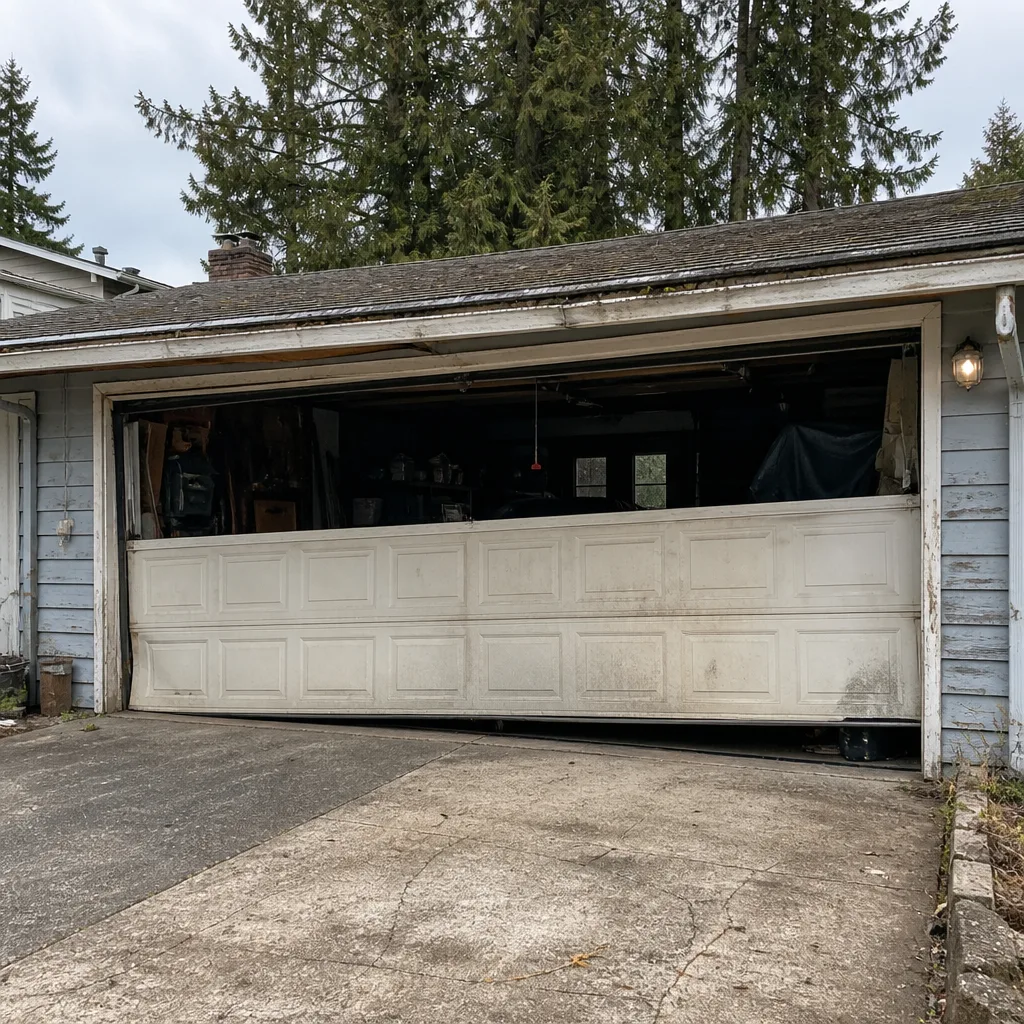 Before
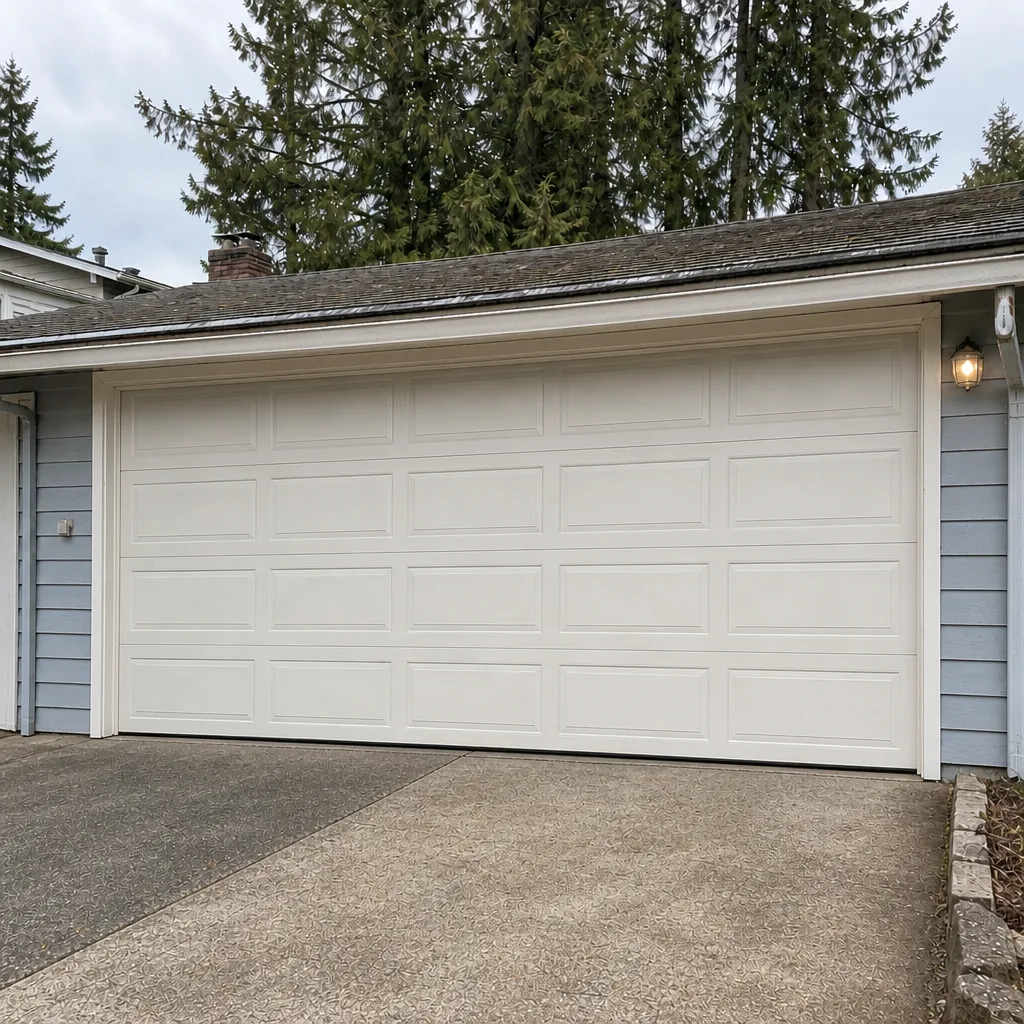 After
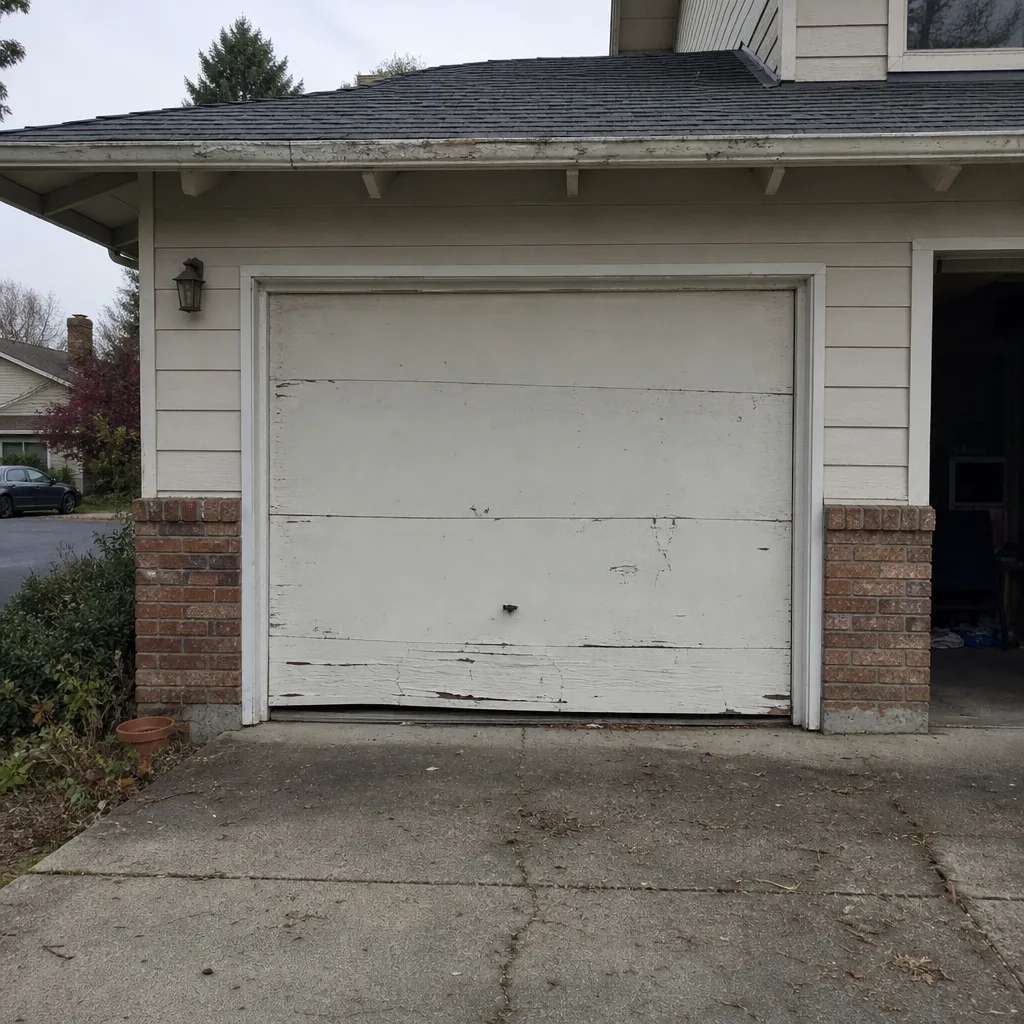 Before
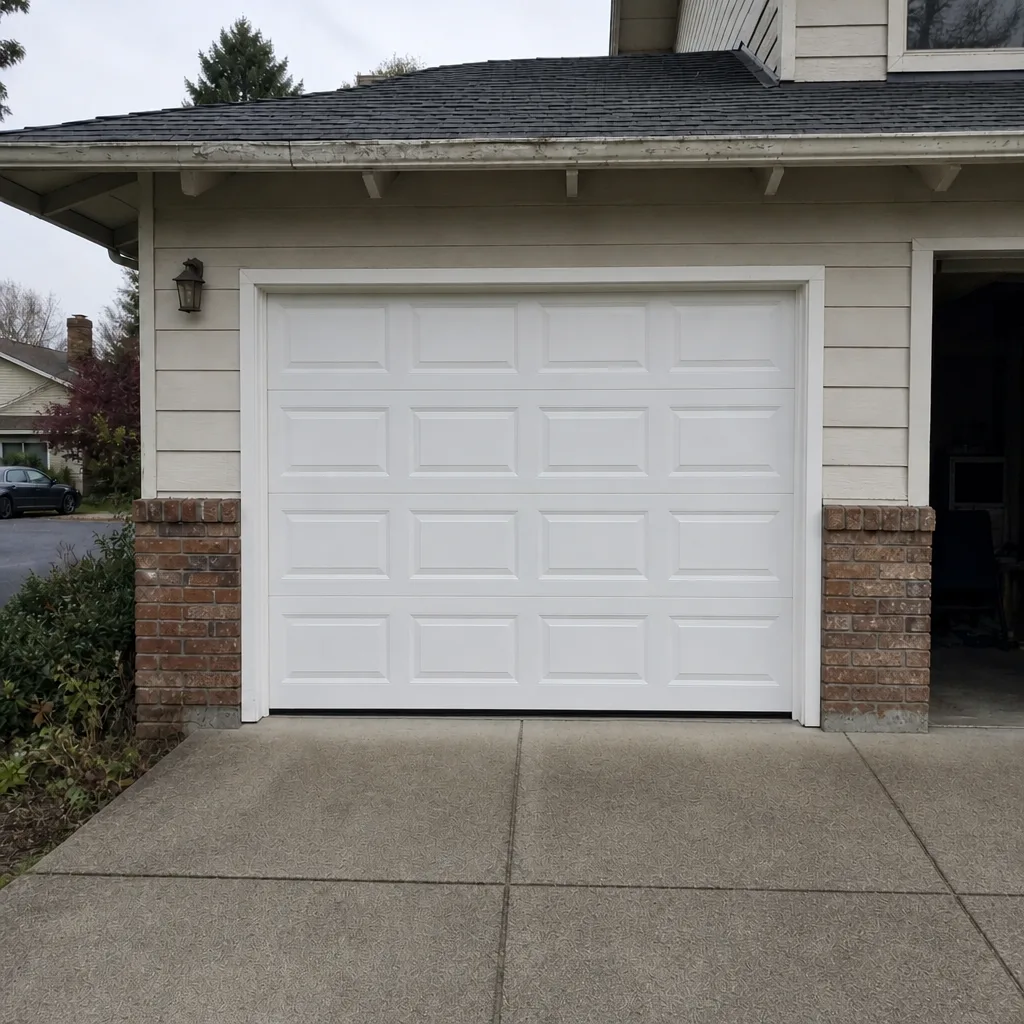 After
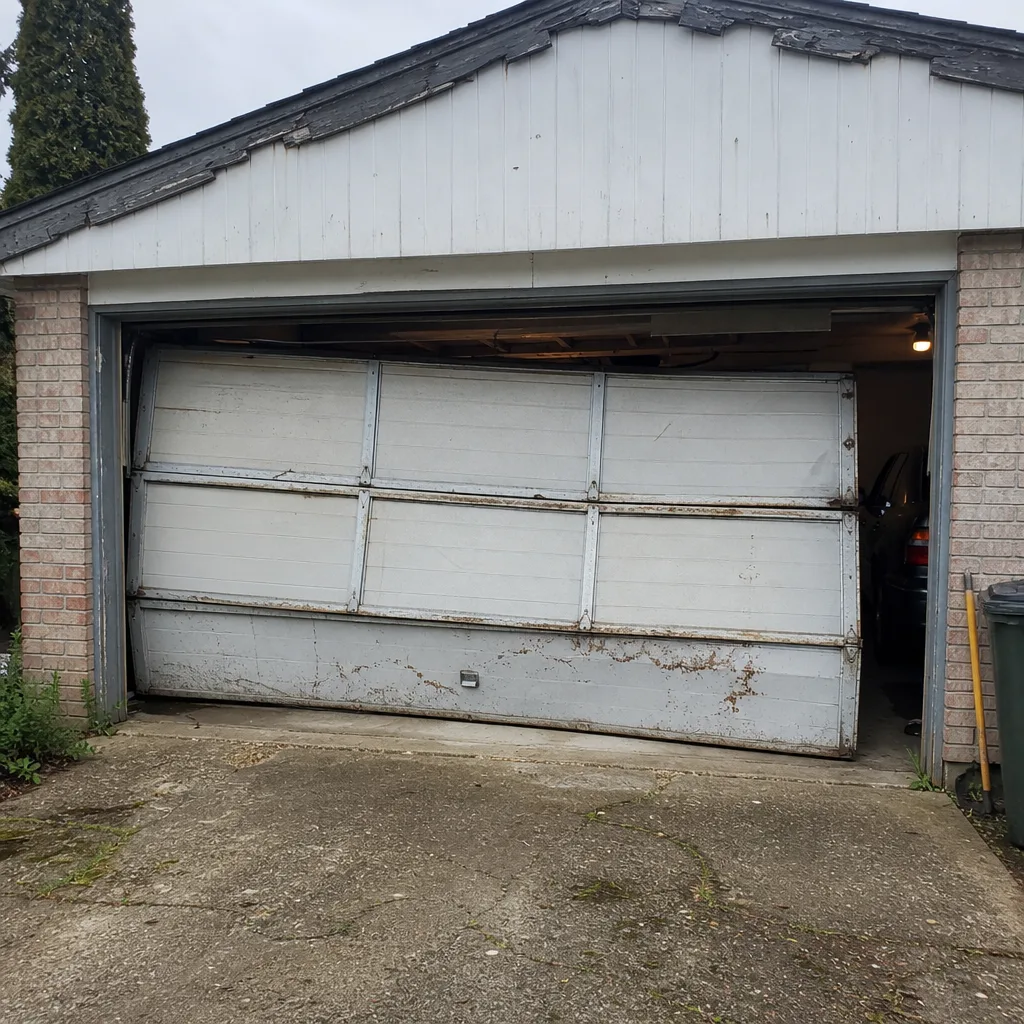 Before
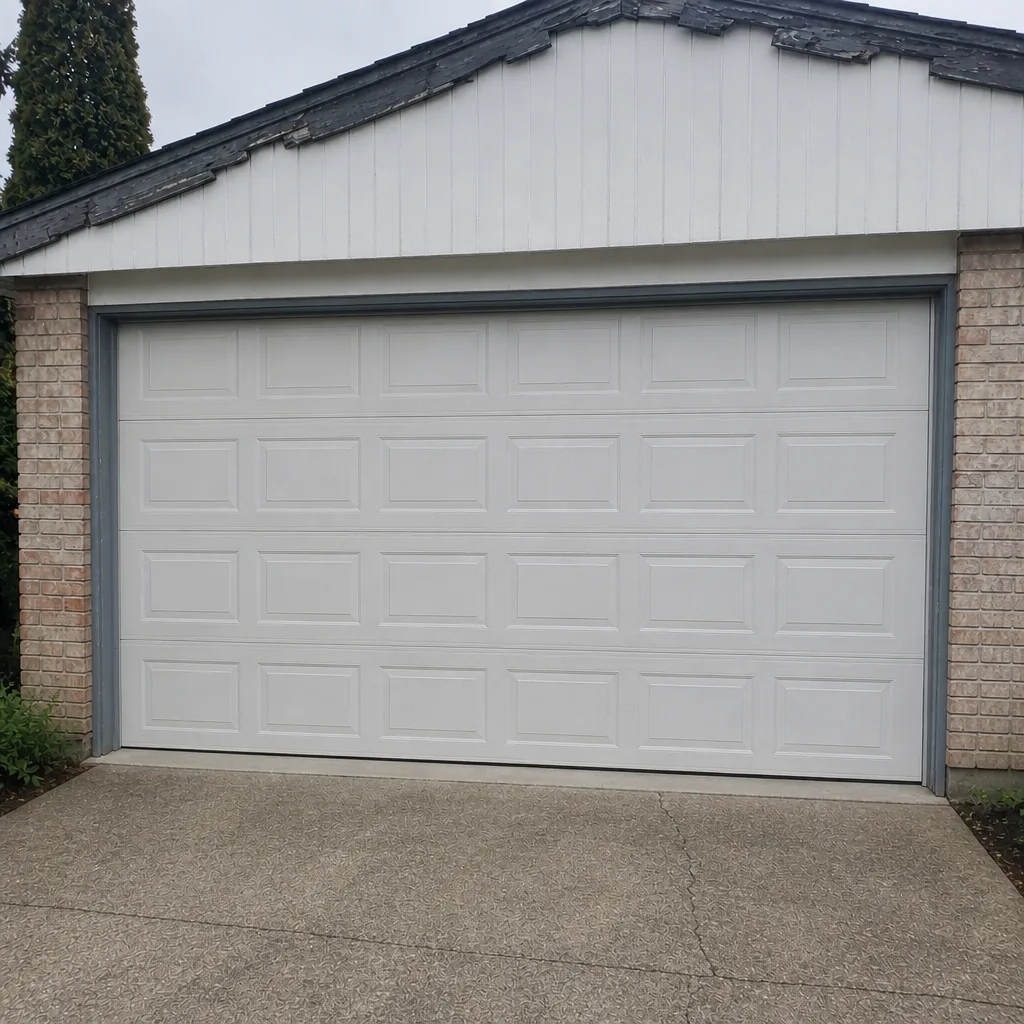 After
When to Call a Professional
Call a professional when the release cord won’t free the door, when the door won’t lift by hand after release, when the door binds, racks, or comes off its track, when a spring is broken or visibly stretched, when the opener runs but the door doesn’t move, or when the safety reverse fails. These are the cases where an amateur fix causes real damage or injury. Magnolia Garage Door Repair Pros offers free estimates in Magnolia, and we work on the brand that’s actually on your door. Call (855) 337-1237, tell us what’s happening, and we’ll help you decide whether it’s a same-day visit or a scheduled one. Spring work is safety-critical and we handle it in-house, and the price is quoted and agreed before any work starts. If it’s a genuine emergency, call first.
Frequently Asked Questions
Typical repair calls in Magnolia fall into different price ranges depending on the issue: a spring repair is usually the higher band, an opener repair is usually lower, and a simple adjustment or roller replacement is lower still. We can’t quote a firm number without seeing the door, and we won’t guess at one over the phone. The price is quoted and agreed before work starts, and the written estimate sets the final price. Call (855) 337-1237 for an exact quote, since estimates are free.
Same-day repair is often possible for stuck doors and opener issues in Magnolia, and we dispatch through the day. Call early if you can, because the schedule fills. When you call, describe the symptom (won’t open, opens partway, makes a grinding noise) so we can send the right technician with the right parts.
It shouldn’t, and if it does, we’ll explain why before doing any work. We give you a written estimate upfront, based on the actual issue we find, and you approve it before we start. If we find a second problem, like a weak roller or a worn cable alongside the main issue, we’ll tell you and quote it separately. You can say yes or no. You won’t get a surprise invoice.
Pull the red emergency release cord to disconnect the door from the opener, then lift the door slowly at the bottom section with both hands. If it’s too heavy to lift with reasonable effort, stop. A broken spring makes the door unsafe to move by hand. Once it’s open, lock the door or re-engage the opener, so the garage isn’t left open.
It’s worth considering for any Magnolia home with an older or wide door. The region sits in an active seismic zone, and the door’s frame can rack in a quake. Bracing kits reinforce the track and frame so the door still opens by hand. We can look at your door and give you a free estimate on what bracing your setup would need.
The independent local professionals we connect you with are licensed and insured as their state requires, and our technicians have up to 8 years of experience. We work across the major residential brands, so we can diagnose the system on your door accurately. Call (855) 337-1237 with any questions before you book.
The Bottom Line
An emergency-prepared garage door in Magnolia is the result of four small things: a release you’ve tested, a door you can lift by hand, bracing that keeps the door in its frame, and a kit on the wall that has a flashlight, gloves, and our number. None of it is expensive, and none of it requires a new door. The parts of an emergency that cause real trouble are the ones nobody planned for: the stuck release, the unbraced door, the key inside the garage. Do a short inspection twice a year, and the next outage or quake becomes a nuisance, not a problem. If something in the inspection fails, call us. That’s the whole plan.
Contact
If your garage door is stuck, making noise, or just overdue for a look, call Magnolia Garage Door Repair Pros at (855) 337-1237 for a free estimate in Magnolia. We’ll diagnose the brand and issue on your actual door, quote it upfront, and fix it safely. Whether you need garage door installation, parts, a spring repair, or an opener service, we cover it. Call us today.
Written by the team at Magnolia Garage Door Repair Pros.