Last updated November 21, 2026
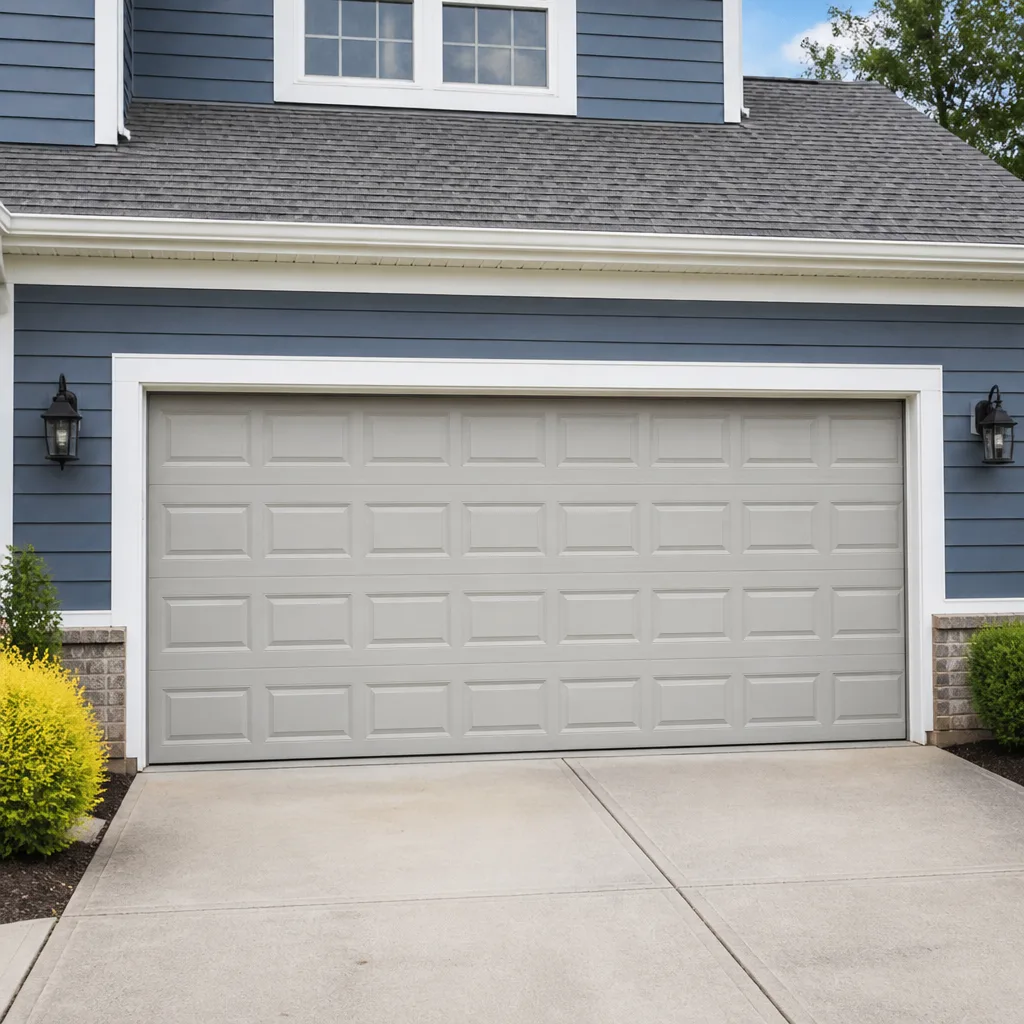 Raised-panel steel
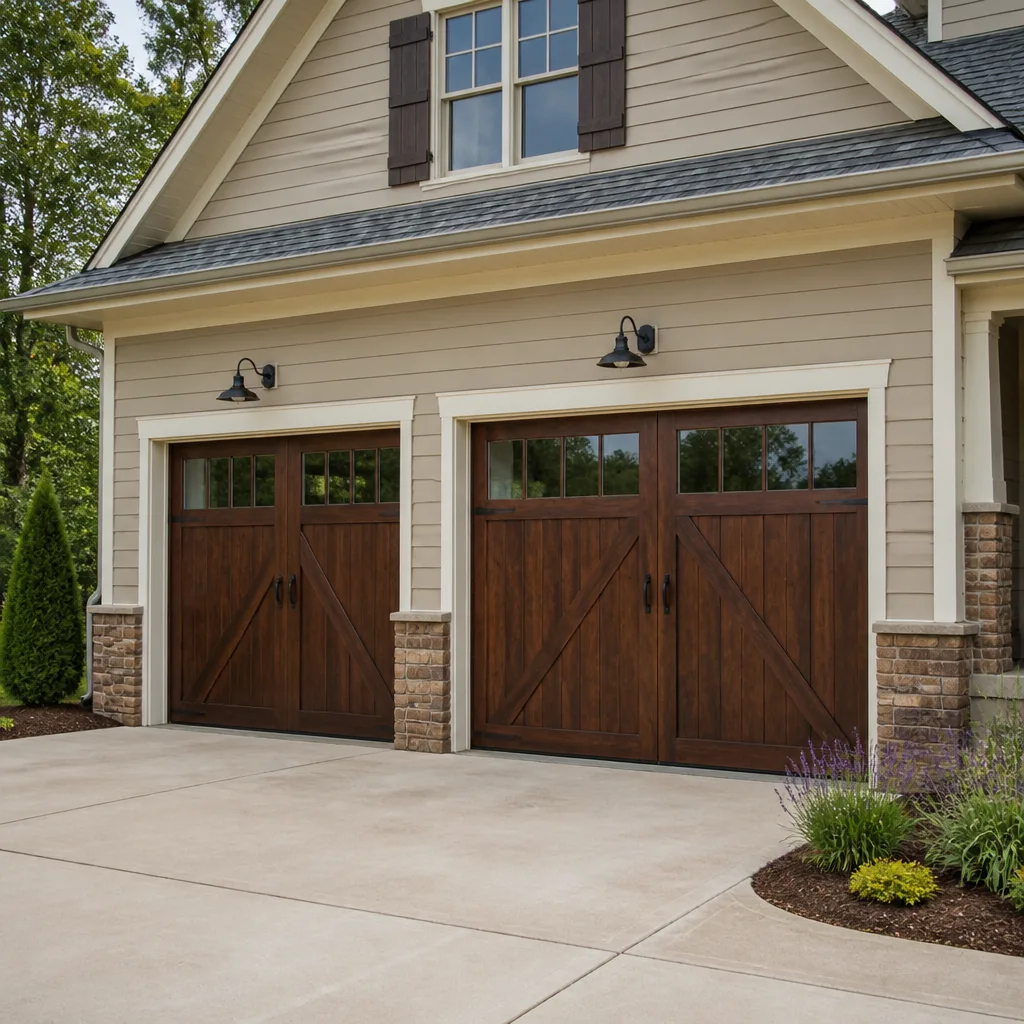 Carriage house
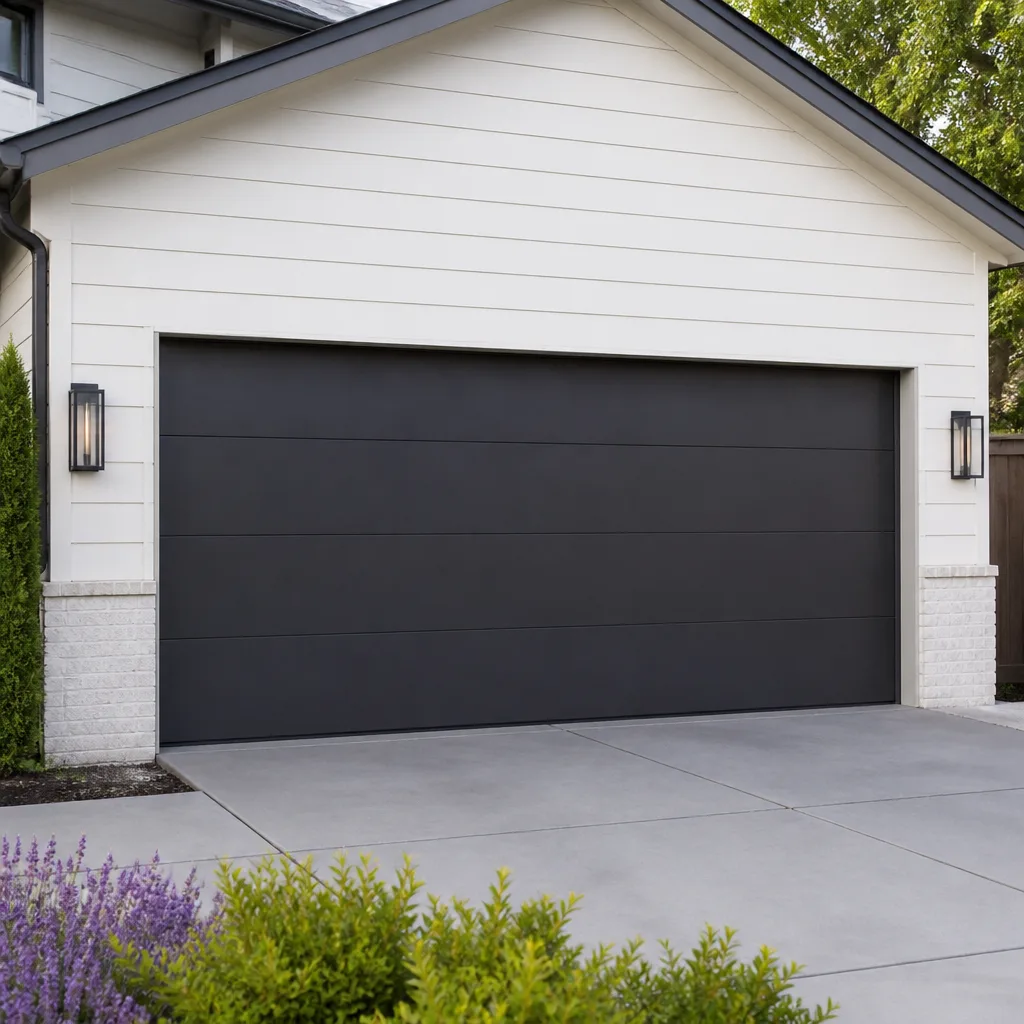 Modern flush
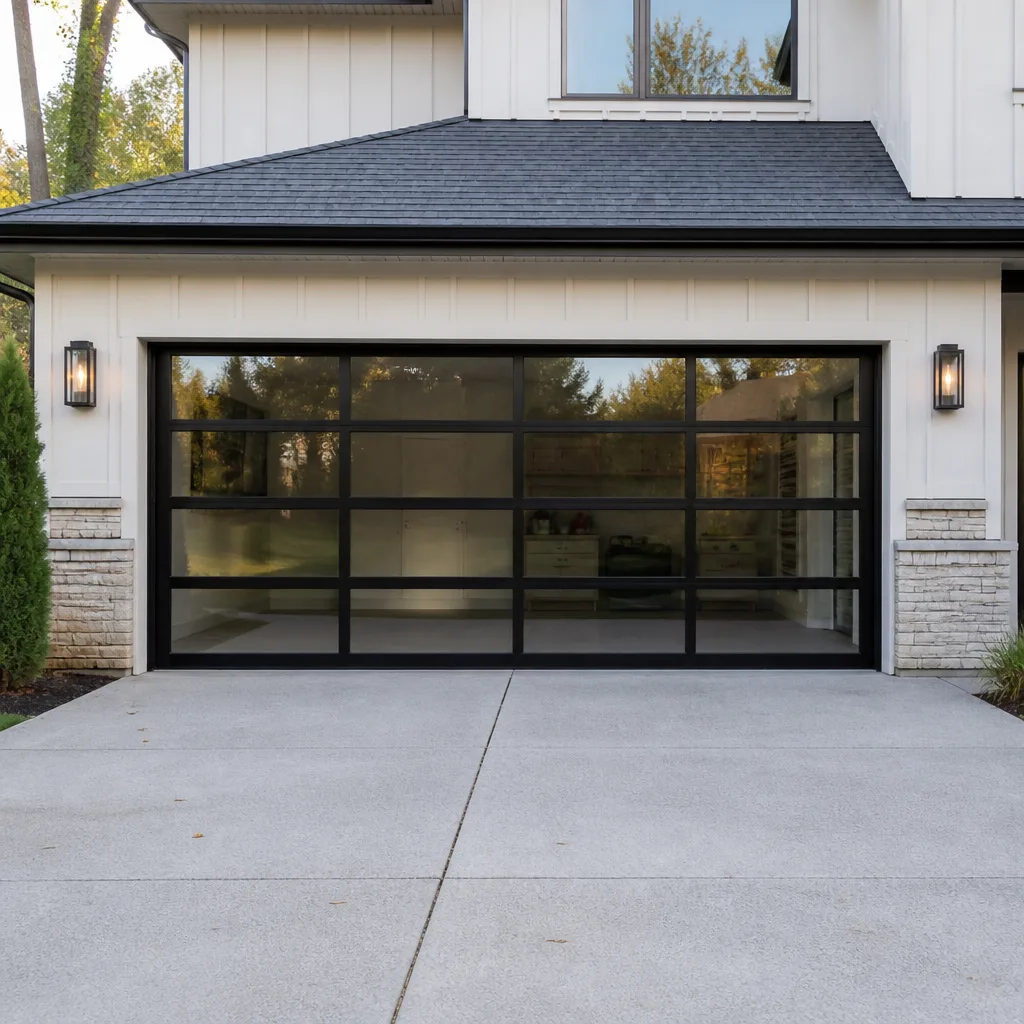 Full-view glass
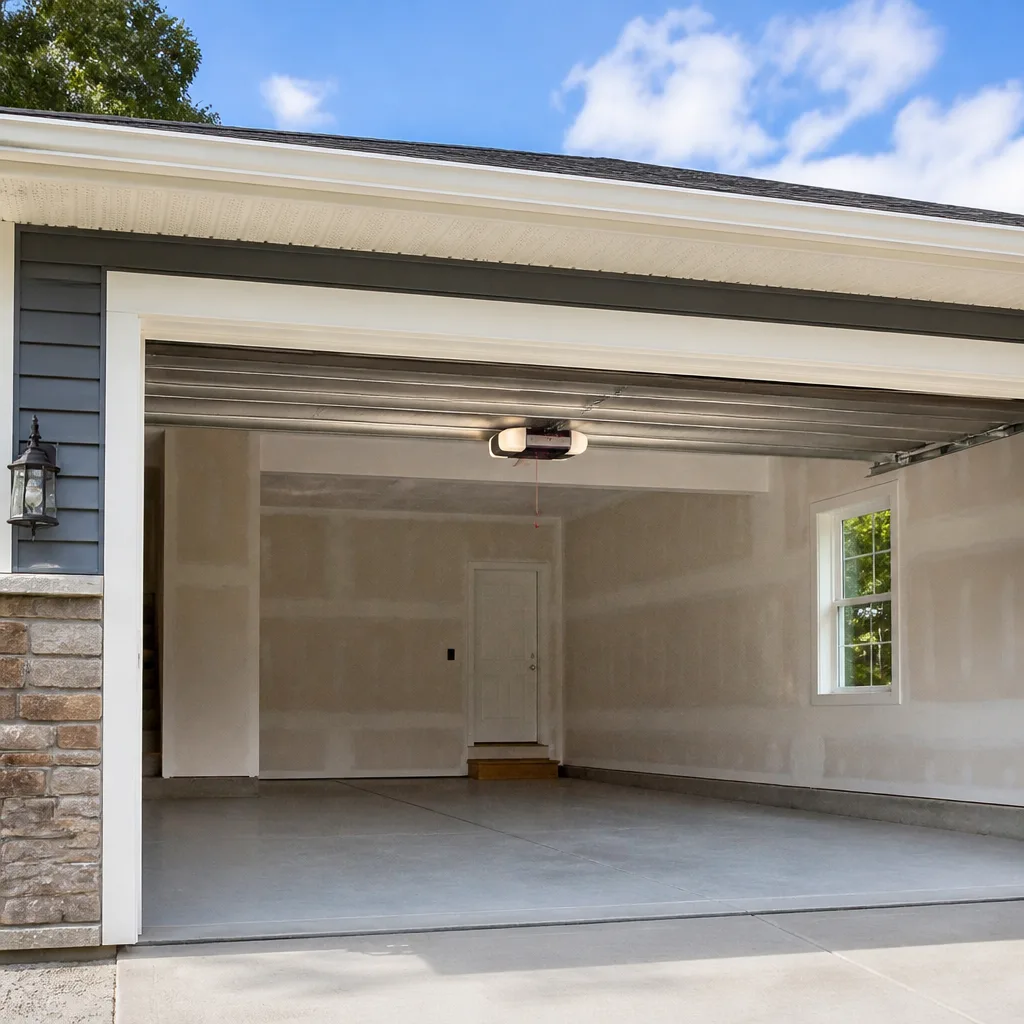 LiftMaster openers
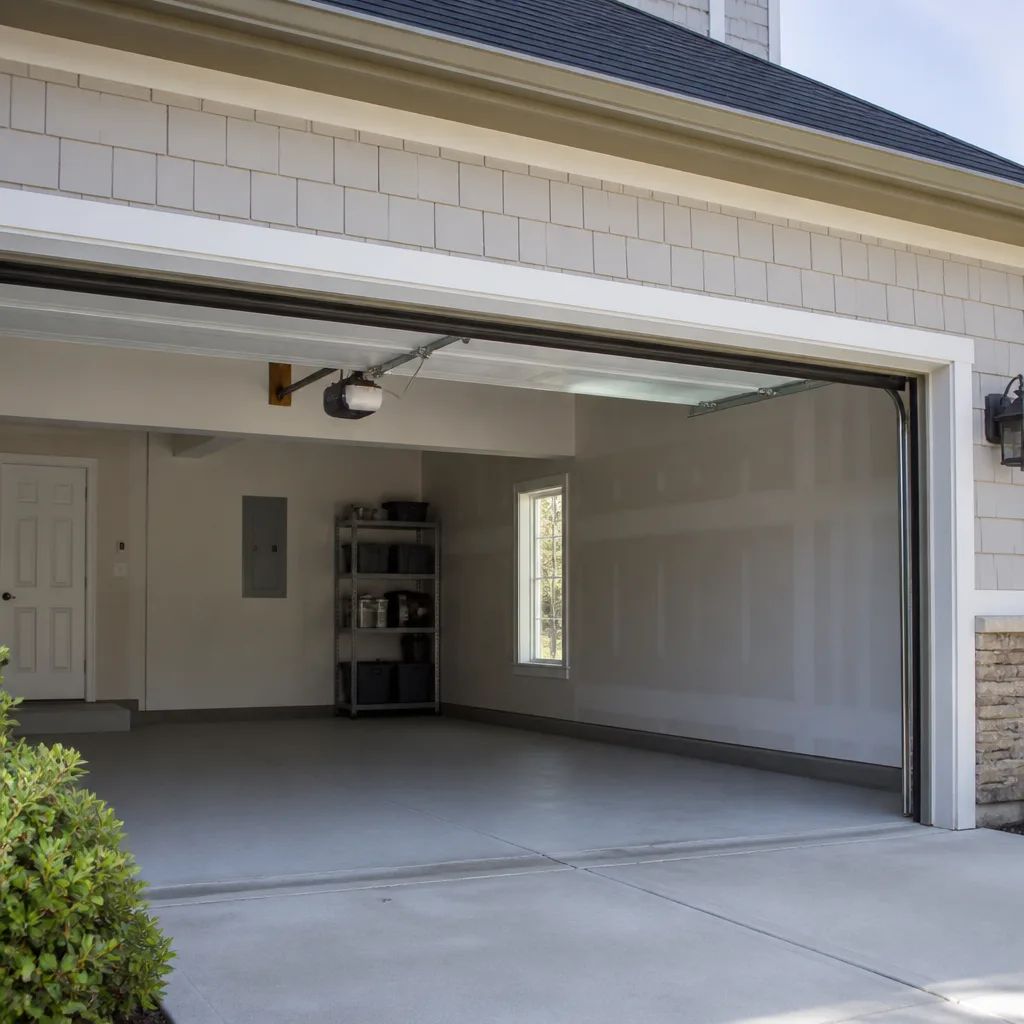 Chamberlain openers
Full 25-point door and opener safety check with every visit - springs, cables, rollers, tracks, and your LiftMaster or Chamberlain opener included
You get a price before we start. It does not change when the pro arrives.
Get your free estimateGarage Door Repair Troubleshooting in Magnolia: Common Problems and How to Fix Them
Most people assume the worst when a garage door stops working. The motor is dead. The spring snapped. It’ll be a major repair. In our experience, the opposite is true far more often: the single most common reason a door “won’t open” in Magnolia isn’t a broken spring or a failed opener at all. It’s a safety sensor that got nudged out of alignment, and it costs nothing to fix. The trick is knowing which category your problem falls into, because a sensor issue, a stripped gear, and a snapped torsion spring all look like “the door is stuck” from the driveway. This guide maps symptoms to root causes so you can stop guessing, handle the fixes that are genuinely safe to do yourself, and know the moment a job crosses into call-a-technician territory.
Quick Answer
Garage door problems in Magnolia usually fall into five mechanical categories: opener or motor faults, spring and cable failures, track and roller issues, sensor and safety-reverse faults, and remote or control problems. Simple sensor misalignment, remote reprogramming, and lubrication are safe for most homeowners to handle. Spring replacement, cable work, and any diagnosis involving the door’s balance or lift mechanism require a trained technician because those components store extreme tension.
Styles & brands we work with
- Raised-panel steel
- Carriage house
- Modern flush
- Full-view glass
- LiftMaster openers
- Chamberlain openers
Table of Contents
- The Symptom-to-Cause Decision Tree
- Why Safety Sensors Cause More “Broken Door” Calls Than Anything Else
- How to Read Your Opener’s Blink Codes
- How Magnolia’s Humidity Swings Affect Your Door Over the Years
- Springs and Cables: The Jobs You Should Never DIY
- What You Can Safely Fix Yourself
- When a “Fixed” Door Is Hiding a Bigger Problem
- Why Brand Knowledge Changes the Diagnosis
The Symptom-to-Cause Decision Tree
Before you touch anything, listen. The sound your door makes (or doesn’t make) tells you which of three paths you’re on, and each path leads to a completely different fix. Walk through this in order:
- You press the button and hear nothing at all. No motor hum, no click, no light. This is almost always a control problem, not a mechanical one. Check the wall outlet, the breaker, and the battery in your remote first. If the opener’s light doesn’t come on either, the unit isn’t getting power.
- You hear the motor running but the door doesn’t move. The opener is alive, so the fault is between the motor and the door. On a chain or belt drive, a stripped gear or a snapped drive belt is the usual suspect. On a screw drive, it’s often a worn carriage. This is a mechanical failure inside the opener, and it’s repairable rather than a reason to replace the whole unit.
- The door moves partway, then reverses or stops. The motor and the door are both working, which points to a safety-reverse fault or a binding track. Nine times out of ten it’s the sensors or an obstruction the door is “feeling.”
- The door is heavy, jerky, or won’t stay up when you lift it by hand. This is a balance problem, and balance problems are spring problems. Stop here and read the springs section before doing anything else.
That fourth path is the one to respect. A door that fights you when you lift it is telling you the counterbalance system has failed, and forcing it open can damage the panels, the tracks, and the opener. We’ve seen plenty of Magnolia doors where a homeowner kept running a tired opener against a failing spring until the whole system gave out. Reading the symptom correctly at this stage saves the most money.
Why Safety Sensors Cause More “Broken Door” Calls Than Anything Else
The two small lenses at the bottom of your door tracks are a photo-eye pair. One shoots an invisible beam across the opening; the other receives it. If anything interrupts that beam, the opener refuses to close the door for safety, and from the driver’s seat it looks identical to a total failure. A cobweb, a leaf, a garbage can nudged two inches, or a bracket bumped by a bike is enough.
This is the fix that costs nothing and takes under two minutes:
- Look at both sensor lenses. Most have a small indicator light. If one is glowing and the other is dark or flickering, the beam isn’t getting through.
- Wipe both lenses with a dry cloth. Dust and spider webs are common culprits.
- Check that the two sensors face each other squarely. Even a small knock can angle one away from its partner.
- Clear anything in the path between them, including the door’s own track hardware if it’s loose.
- Press the wall button and watch whether the door closes normally.
If the door still reverses after all that, the sensors may be wired or mounted incorrectly, or the logic board may have a fault. That’s when a diagnostic visit makes sense. Magnolia homes with long driveways and low-mounted sensors catch a lot of windblown debris from the surrounding trees, so a seasonal wipe-down is worth the thirty seconds. Keep the lenses clear and you’ll avoid a good share of the “it just stopped working” calls entirely.
How to Read Your Opener’s Blink Codes
Almost every modern opener has a diagnostic light on the motor head or the wall control, and it flashes in patterns that name the exact fault. Most homeowners never look. Once you know the pattern, you skip the guesswork.
- LiftMaster and Chamberlain (same parent company, same diagnostic language) flash an LED a set number of times, pause, then repeat. Up-flash and down-flash sequences each point to a different circuit. A specific count followed by a pause and a repeat usually means the safety sensors, a travel-limit issue, or a logic board fault, depending on the count.
- Craftsman openers, still common on older Magnolia homes, often blink the main light or use a diagnostic LED on the rear panel. The count maps to sensor faults, limit-switch faults, and motor overload.
- Genie units tend to use a combination of LED blinks and a specific behavior on the wall console. Their codes often point to a force-setting problem or a stuck limit switch rather than the sensors.
The reliable move is to count the flashes exactly, note whether the light is on the motor head or the wall button, and check your model’s manual or the manufacturer’s support page for that count. If you don’t have the manual, most are available by model number on the manufacturer’s site. Have that count ready when you call, and the diagnosis gets faster. We work with all of these systems daily, and a homeowner who can tell us “it blinks four times, pauses, then four again” saves everyone a step. Reading codes isn’t a repair, but it’s the fastest way to know which repair you actually need.
How Magnolia’s Humidity Swings Affect Your Door Over the Years
Magnolia sits in the Pacific Northwest, and that means real seasonal humidity swings: damp, cool stretches through much of the year, then drier, warmer summers. That pattern works on a garage door in slow, predictable ways, and knowing them helps you spot trouble before it becomes a failure.
The biggest one is wood. A wood or wood-composite door absorbs moisture during the damp months and swells slightly. Panels can bind against each other, the door can start rubbing on one side, and the opener has to work harder to lift it. Then summer dries everything out and the door loosens up again. That annual expand-and-contract cycle is hard on the joints and the hardware, which is why wood doors on Magnolia homes often need more attention to hinges, rollers, and the bottom seal than a steel door does.
Metal is not immune. Steel tracks and hinges pick up surface rust faster in a damp climate, especially in a garage that isn’t well ventilated. Rust on a roller or a hinge pin turns a smooth glide into a grinding pull, and that extra drag shows up as a strained opener and jerky travel. The counterbalance system feels it too. A door that binds in the damp season puts more load on the springs, and springs under constant extra load lose tension sooner. We’ve seen this pattern play out across Magnolia’s older neighborhoods more than once. The fix is straightforward: lubricate moving parts on a regular schedule, keep the bottom seal intact so water stays out, and address a binding door early rather than letting it grind through the wet season.
Springs and Cables: The Jobs You Should Never DIY
Torsion springs and the cables that run alongside them are under extreme tension, and they are the one part of a garage door that can seriously injure someone who isn’t trained. This is not a warning to be dramatic. A torsion spring holds enough stored energy to cause real harm if it releases unexpectedly, and the winding bars and technique required to tension one safely are not something to learn from a video. We say this plainly because it matters: spring and cable work is a professional job.
What you can safely do is recognize when those parts are failing. Watch for:
- A visible gap in a torsion spring, or a spring that looks stretched and separated.
- A door that feels very heavy when you lift it by hand, or won’t hold itself open partway.
- A loud bang from the garage, followed by a door that won’t lift.
- Frayed, kinked, or slack cables hanging loose from the drums.
- The door pulling to one side as it rises, which points to a cable or spring imbalance.
Any of those means the door should come down and stay down until a technician looks at it. Don’t run the opener against a failed spring; you’ll just burn out the motor or bend the top section. Spring repair is one of the most technically demanding jobs in this trade, which is why many general contractors won’t touch it. We handle it in-house as a core service, which means a Magnolia homeowner isn’t sent looking for a second vendor to finish the job. For an exact quote on a spring repair, call (855) 337-1237. Estimates are free, and the price is agreed before any work starts.
What You Can Safely Fix Yourself
A good chunk of garage door troubleshooting is genuinely within reach for a careful homeowner. The rule of thumb: if the fix doesn’t involve stored tension, high voltage, or getting under a door that could fall, you can probably handle it. Here’s what’s safe:
- Safety sensor alignment and cleaning. Covered above, and the most common culprit. A cloth, a careful eye, and a couple of minutes.
- Remote and keypad reprogramming. Lost a remote, or bought a new car with a built-in homelink? Reprogramming the remote or the wall keypad is a button-press sequence covered in your opener’s manual. It’s an easy first thing to try when a remote suddenly stops working.
- Lubrication. A few drops of a proper garage-door lubricant on the rollers, hinges, and the torsion bar bearings (never the springs themselves) keeps everything gliding, and it’s the single best defense against the humidity-driven binding we described above. Do it a couple times a year.
- Battery replacement. A dead remote battery or a dead sensor battery looks like a much bigger problem than it is. Swap it and retest.
- Visual inspection. Walk the tracks, look at the springs, check the seal along the bottom. You’re not fixing anything here, but you’re catching problems early, which is worth as much as the fixes.
What you should not touch: the torsion springs, the cables, the drums, the bottom brackets (they’re under tension even when the door looks settled), and anything involving the opener’s wiring or logic board. Those cross the line, and it’s worth calling rather than improvising.
When a “Fixed” Door Is Hiding a Bigger Problem
Sometimes a door starts working again after a workaround, and the workaround is the problem. The classic example is a door that binds in one spot: you adjust the opener’s force setting higher so it pushes through the bind, and the door opens and closes again. It looks fixed. It isn’t. What you’ve done is make the opener work harder against a mechanical fault that keeps getting worse, and eventually the opener or the door gives out.
Watch for these signs that a temporary fix is masking something structural:
- The door works, but it’s louder or rougher than it used to be.
- You’ve adjusted the force or travel limits more than once.
- The door pulls to one side, even slightly, as it travels.
- A panel is bent or dented and the door still opens, but unevenly.
- The bottom seal is dragging or the door doesn’t sit level when closed.
- Rollers are visibly worn, chipped, or flat-spotted.
Any of those means the “fix” is holding a real problem at bay. A worn roller, a bent track, or an unbalanced door will keep escalating, and the longer it runs, the more it costs to correct. If you’ve cranked up the force setting to get the door moving again, that’s your signal to get eyes on it. A technician can tell you in a short visit whether you’re looking at a roller swap or something more structural, and you’ll get a written price before work begins.
Why Brand Knowledge Changes the Diagnosis
The same symptom means different things depending on what’s on your wall. That’s a plain fact of this trade, and it’s why we cover all of the most widely installed residential brands rather than specializing in one. The specific opener matters: a LiftMaster, a Chamberlain, and a Genie all diagnose sensor and limit faults with different blink patterns and different force settings, and calling them by the same playbook wastes time.
The door itself matters too. Clopay, Amarr, Wayne Dalton, Craftsman, and Raynor doors each have their own panel construction, hardware, and typical failure points. A Wayne Dalton door and a Clopay door can both bind, but the reason can differ, and the fix differs with it. Opener repair capability that spans both legacy Craftsman units and current LiftMaster smart-drive systems means the diagnosis gets done correctly the first time, without a default to full replacement when a repair is the right answer. Our technicians have up to 8 years of experience across these systems, and we approach every job repair-first.
Parts access is part of it. When the diagnosis is correct, you still need the right component. Because we offer Magnolia Garage Door Repair Pros parts as a standalone service, homeowners can get the same quality components professionals use, not just labor. And if a door is genuinely beyond repair, or a homeowner is ready for something new, the same company handles garage door installation from start to finish, along with garage door opener repair and repair of the door itself. One call covers the lifecycle, from reading a blink code to replacing a whole system.
Common Mistakes to Avoid
- Forcing a door that won’t budge. If you lift it and it feels extremely heavy, stop. That’s a spring problem, and pushing through it bends panels and strains the opener.
- Cranking up the force setting to silence a problem. It gets the door moving, but it masks a real mechanical fault and puts more load on the opener. Fix the cause, not the symptom.
- Testing the safety reverse with something breakable. Use a roll of paper towels or a piece of wood, never a hand, foot, or a family member. The door should reverse on contact, and if it doesn’t, that’s a genuine safety fault to address.
- Assuming a little rust doesn’t matter. In Magnolia’s damp climate, a rusty roller or hinge becomes a binding door fast. Address surface rust early with proper lubrication.
- Replacing the whole opener for a stripped gear. A dead-sounding opener with a running motor often just has a worn gear or belt. That’s a repair, not a replacement, when the rest of the unit is sound.
- Ignoring the manual. Your blink codes, force settings, and travel limits are all documented by model number. Five minutes with the manual precedes ten minutes with a technician.
- Letting a temporary fix stand. A door that works after a workaround is not the same as a door that’s healthy. A second failure is usually more expensive than the first visit would have been.
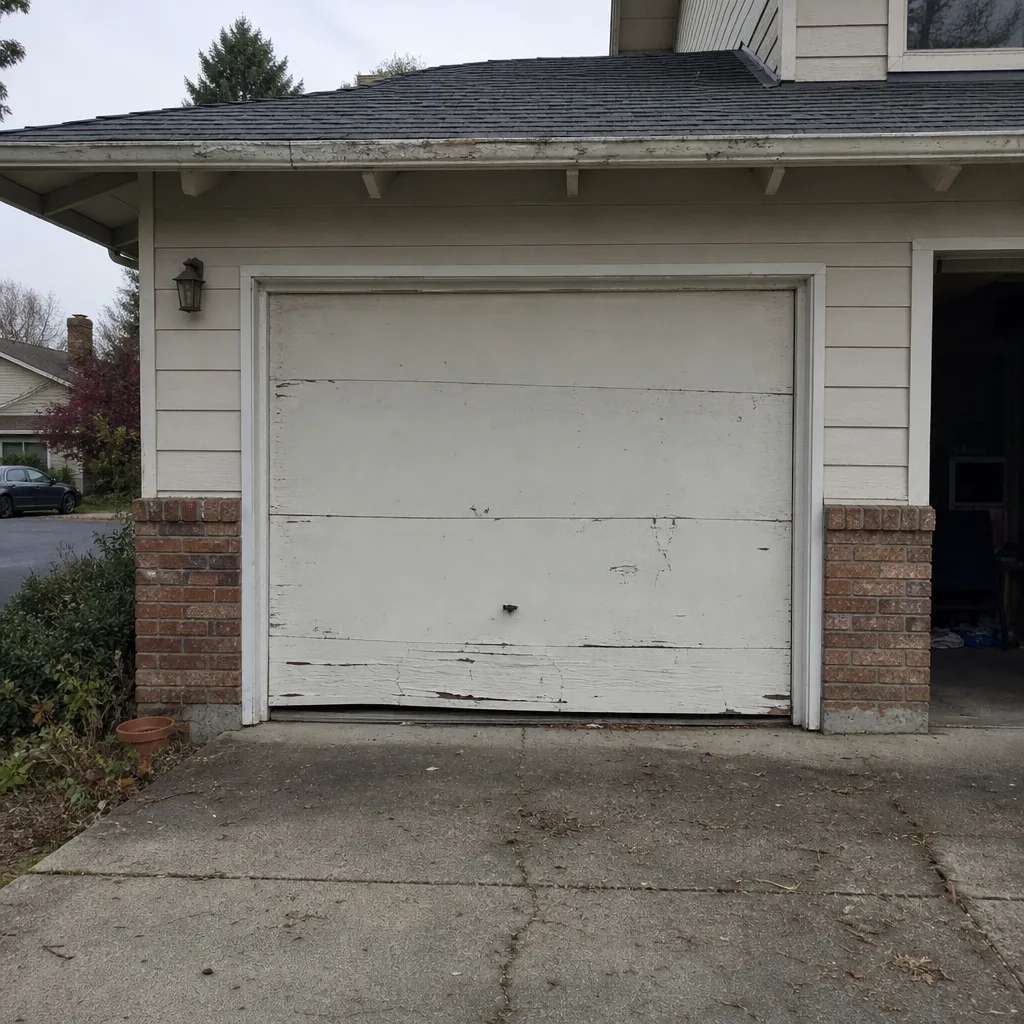
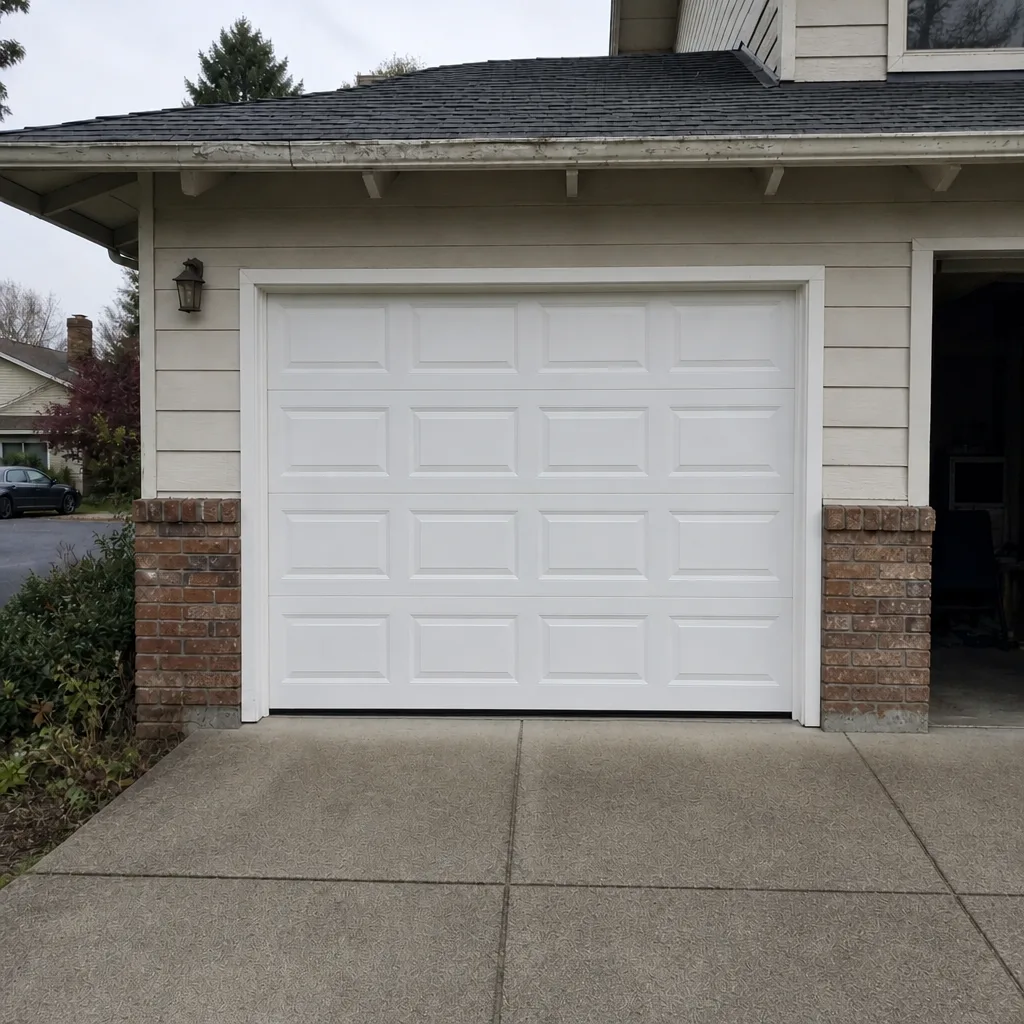
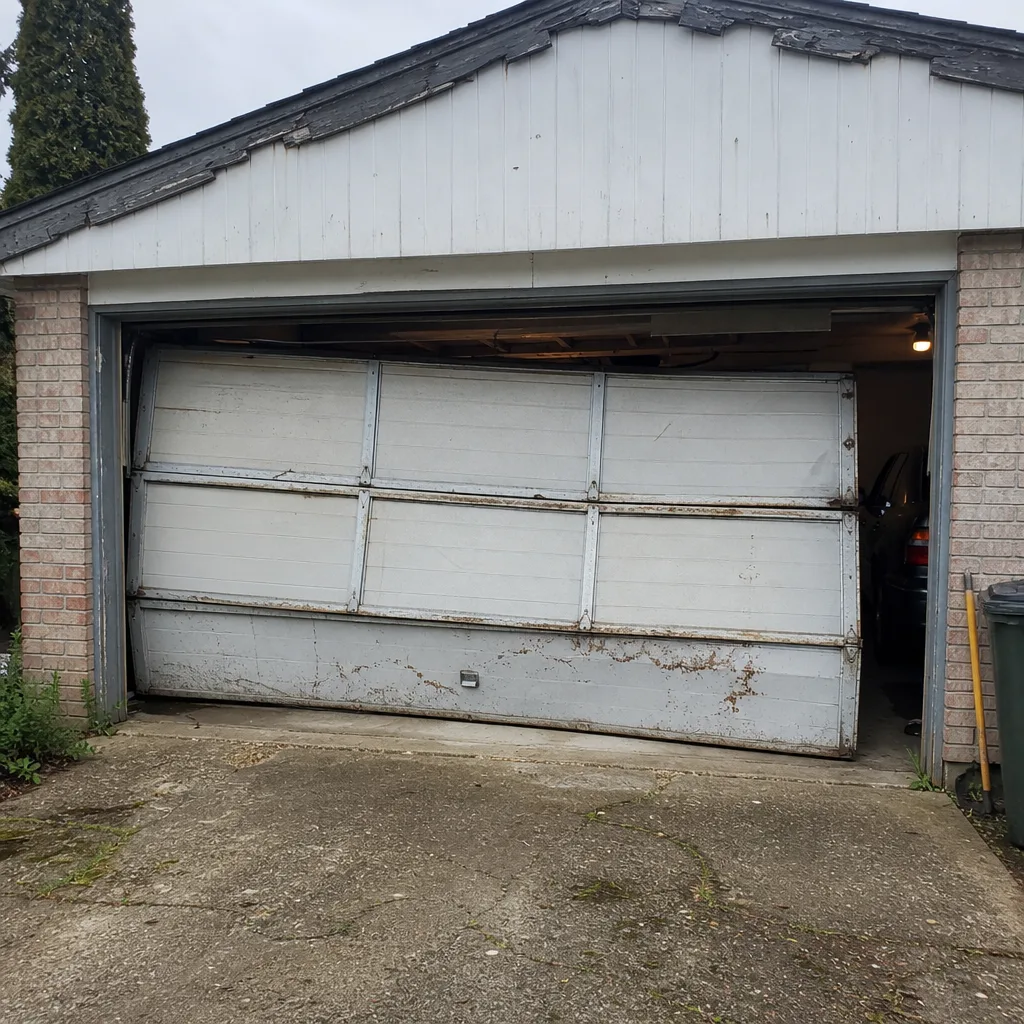
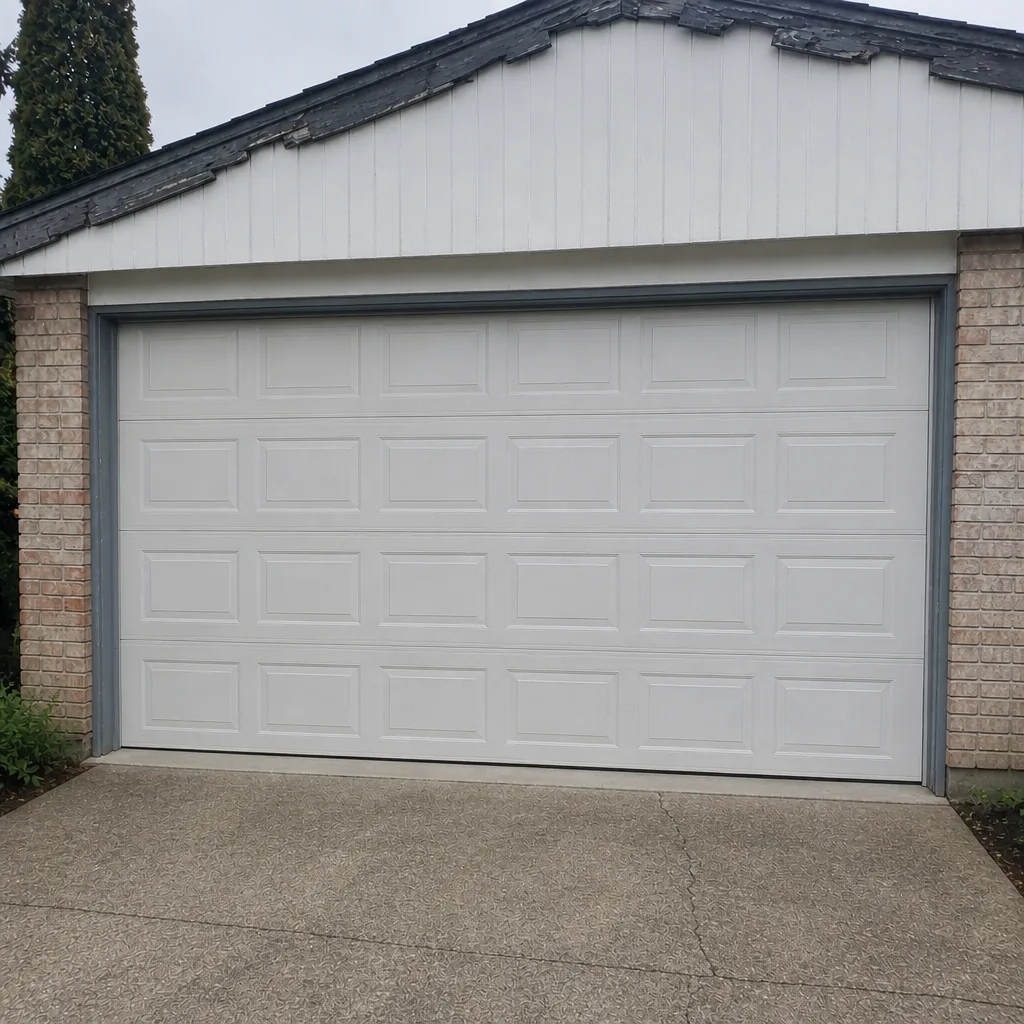
See the difference
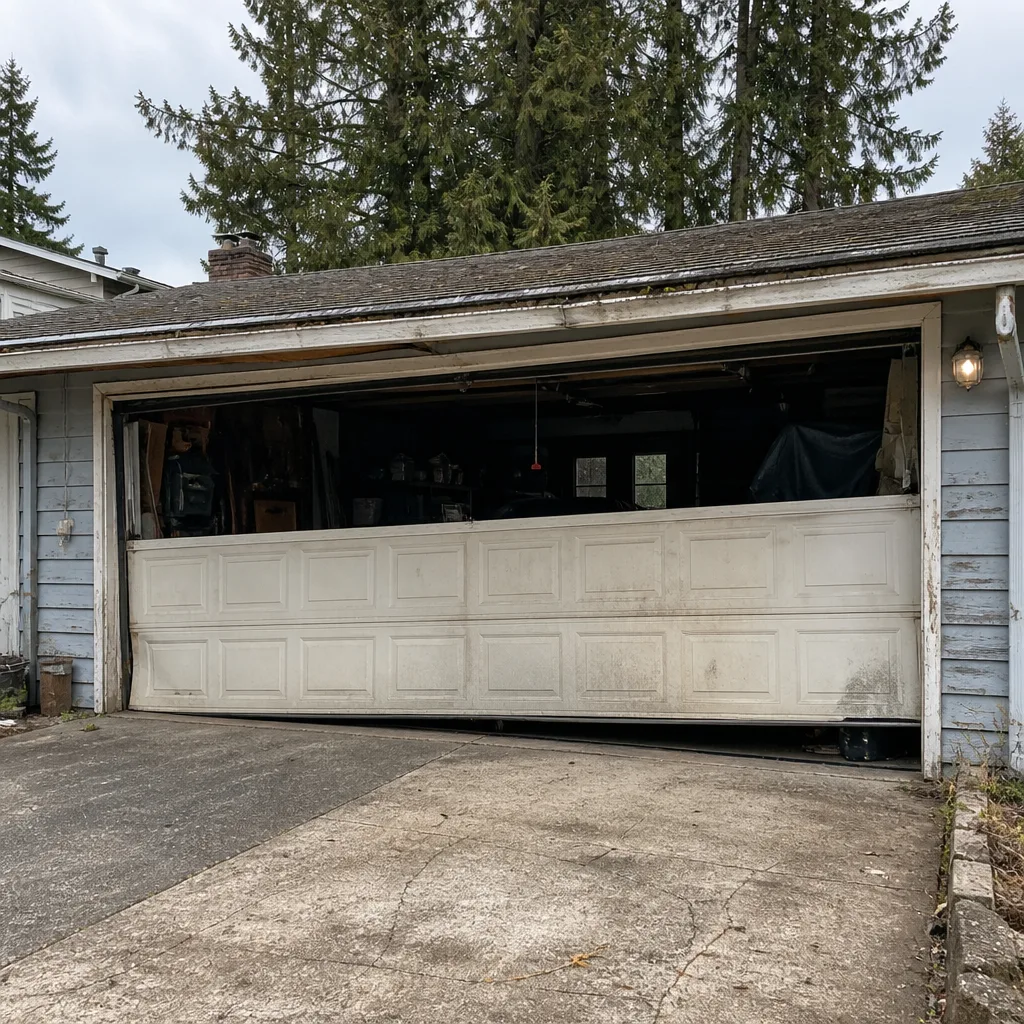 Before
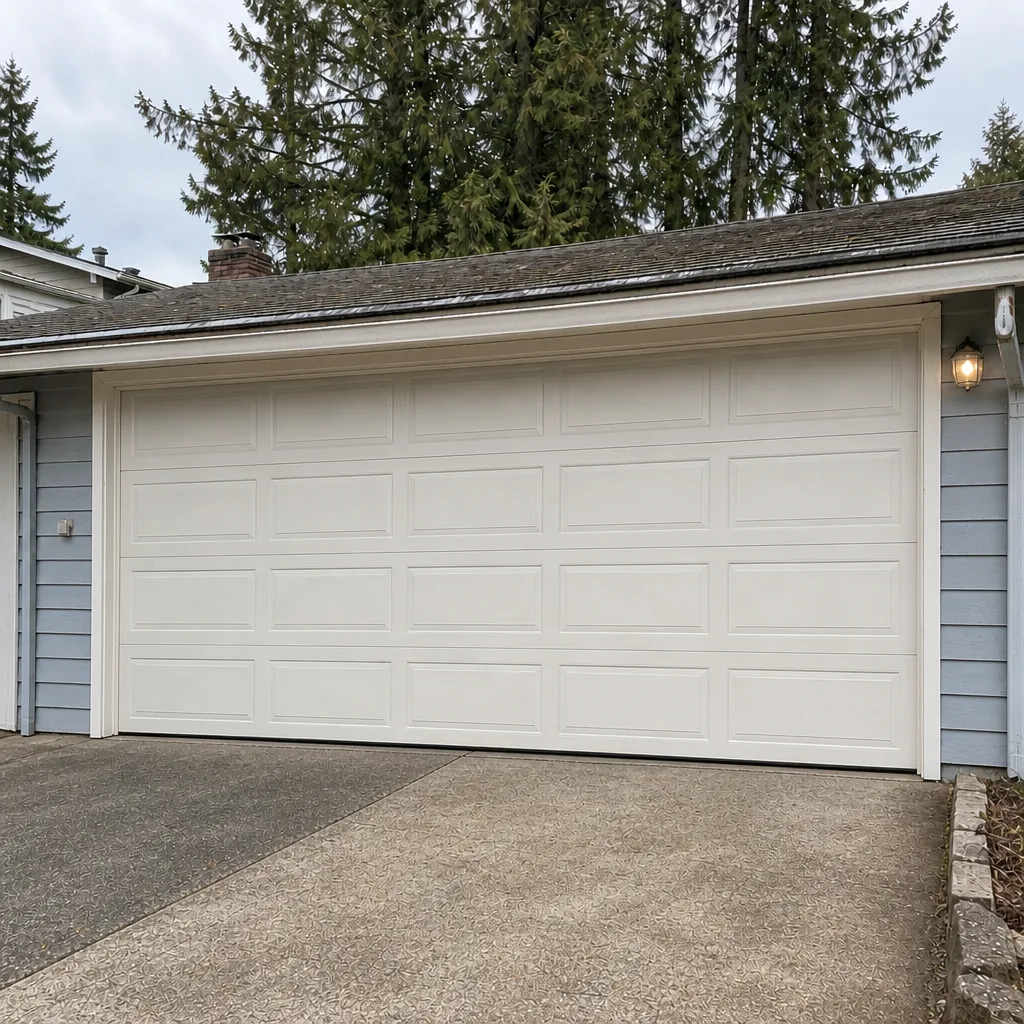 After
 Before
 After
 Before
 After
When to Call a Professional
Call a pro for anything involving springs, cables, the drums, the bottom brackets, or the opener’s internal wiring and logic board. Call when the door is heavy, pulls to one side, or won’t hold itself open. Call when a blink code points to a limit, force, or board fault you can’t clear. And call when a door that had a workaround is acting up again, because that pattern usually means a structural issue the workaround was hiding. Magnolia Garage Door Repair Pros offers free estimates in Magnolia. Call (855) 337-1237 and the price is quoted and agreed before any work starts, so there’s no surprise on the invoice. For routine repair work across all the major brands, we’re ready when you are. Full details on our garage door repair services are one click away.
Frequently Asked Questions
A running motor with a door that doesn’t move almost always means a stripped drive gear or a broken belt/carriage inside the opener. The motor is working, but it isn’t transferring that power to the door. This is usually a repair, not a reason to replace the whole unit, so get it diagnosed before assuming the opener is dead. Call (855) 337-1237 for a free estimate.
They’re diagnostic codes. LiftMaster and Chamberlain units flash an LED in a counted pattern with a pause and repeat, and the count points to a specific fault like a sensor issue or a limit problem. Craftsman and Genie units use their own patterns on the light or rear LED. Count the flashes exactly and check your model’s manual before calling. Magnolia Garage Door Repair Pros works with all of these systems, and the code usually speeds up the diagnosis.
Yes, in most cases. Wipe the lenses, check that the two sensors face each other squarely, and clear anything interrupting the beam. That fixes the majority of “door won’t close” complaints. If the door still reverses after alignment and cleaning, it’s worth a diagnostic visit to check the wiring, the sensors themselves, or the logic board. Call (855) 337-1237 if you’re past the DIY stage.
A broken torsion spring is usually visible as a gap or separation in the spring above the door, and the door will suddenly feel very heavy and won’t hold itself open. You may also hear a loud bang when it fails. If you spot any of that, stop running the opener and call a technician. A trained professional should handle spring replacement, given the stored tension involved. Estimate first, work after.
Wood and wood-composite doors absorb moisture in Magnolia’s damp months and swell slightly, which can cause panels to bind and the door to rub on one side. The expansion eases in drier weather, but the annual cycle is hard on hardware, and a tight door adds load to the springs. Lubrication helps, but a door that binds enough to strain the opener needs a look. Call (855) 337-1237 for a free estimate.
Not necessarily. A failed gear, a worn belt, a bad sensor, or a limit-switch issue on an older Craftsman or Genie is often a repair rather than a replacement, as long as the rest of the unit is sound. We diagnose across all the major brands and take a repair-first approach. If the unit truly is beyond saving, we can walk you through replacement options. Call (855) 337-1237 to get it looked at.
The Bottom Line
The garage door that won’t work is a mystery only to the person standing in the driveway, and even then only until it’s read correctly. Most of the time, the symptom points to a specific, fixable cause: a sensor out of line, a blink code naming the fault, a stripped gear, a swollen panel in the damp season, or a spring that has finally given out. Handle the safe fixes yourself; hand the spring and cable work to a trained technician. Keep the moving parts lubricated, read your blink codes, and don’t let a workaround stand in for a real repair. When you need the diagnosis done right the first time, across whatever brand is on your home, call Magnolia Garage Door Repair Pros at (855) 337-1237 for a free estimate. We’ll quote the price and agree on it before any work begins.
Written by the team at Magnolia Garage Door Repair Pros.